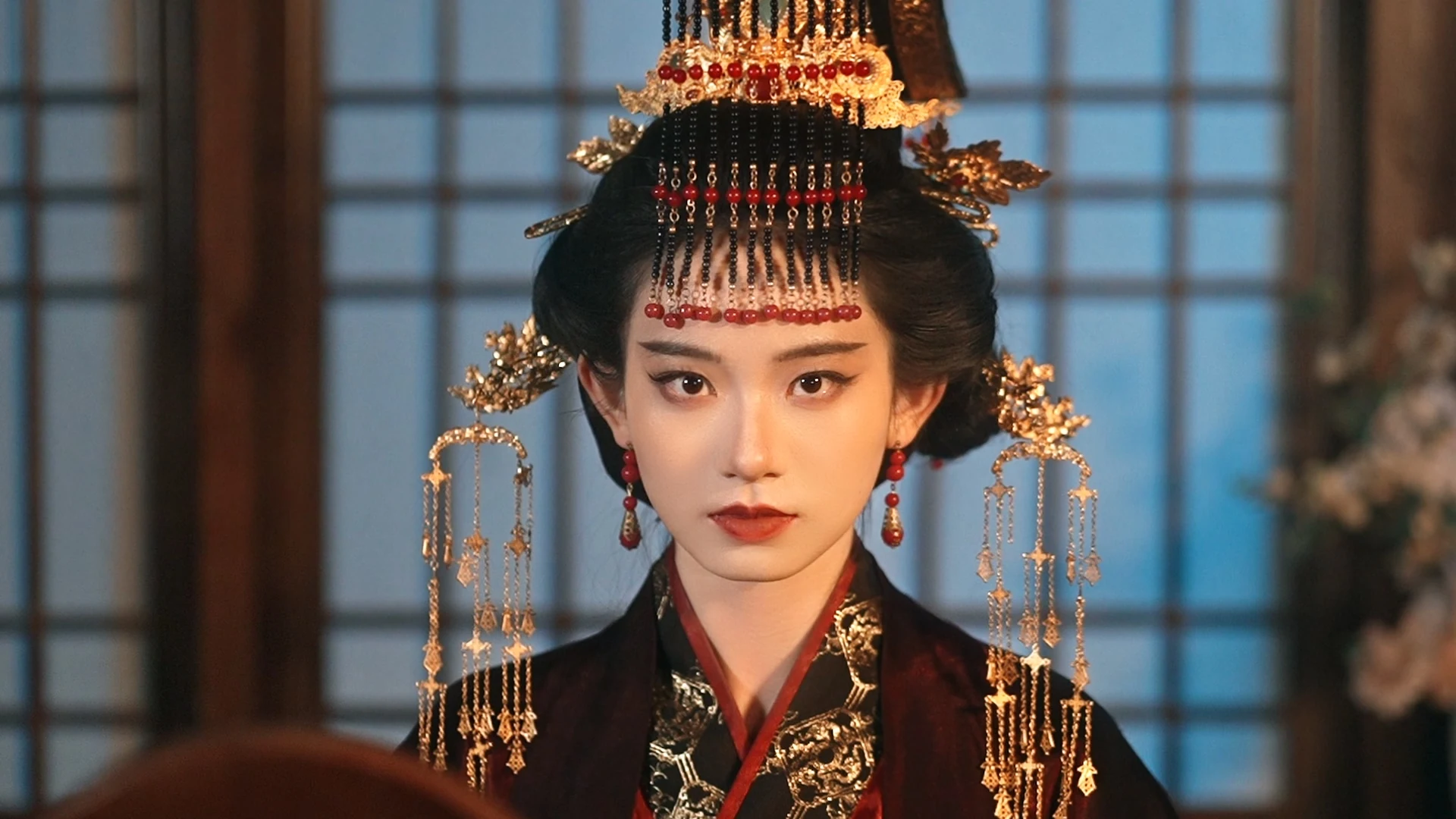
01Tang
Ancestor & contested ruler
The court honored an imperial ancestor; writers debated how effective government could coexist with a disputed claim to rule.
Essay · pp. 5–10 ↗My original digital history project
Five women. Five forms of strength.
I bring their stories to life through film.
01 / The story
Who gets to write her history?
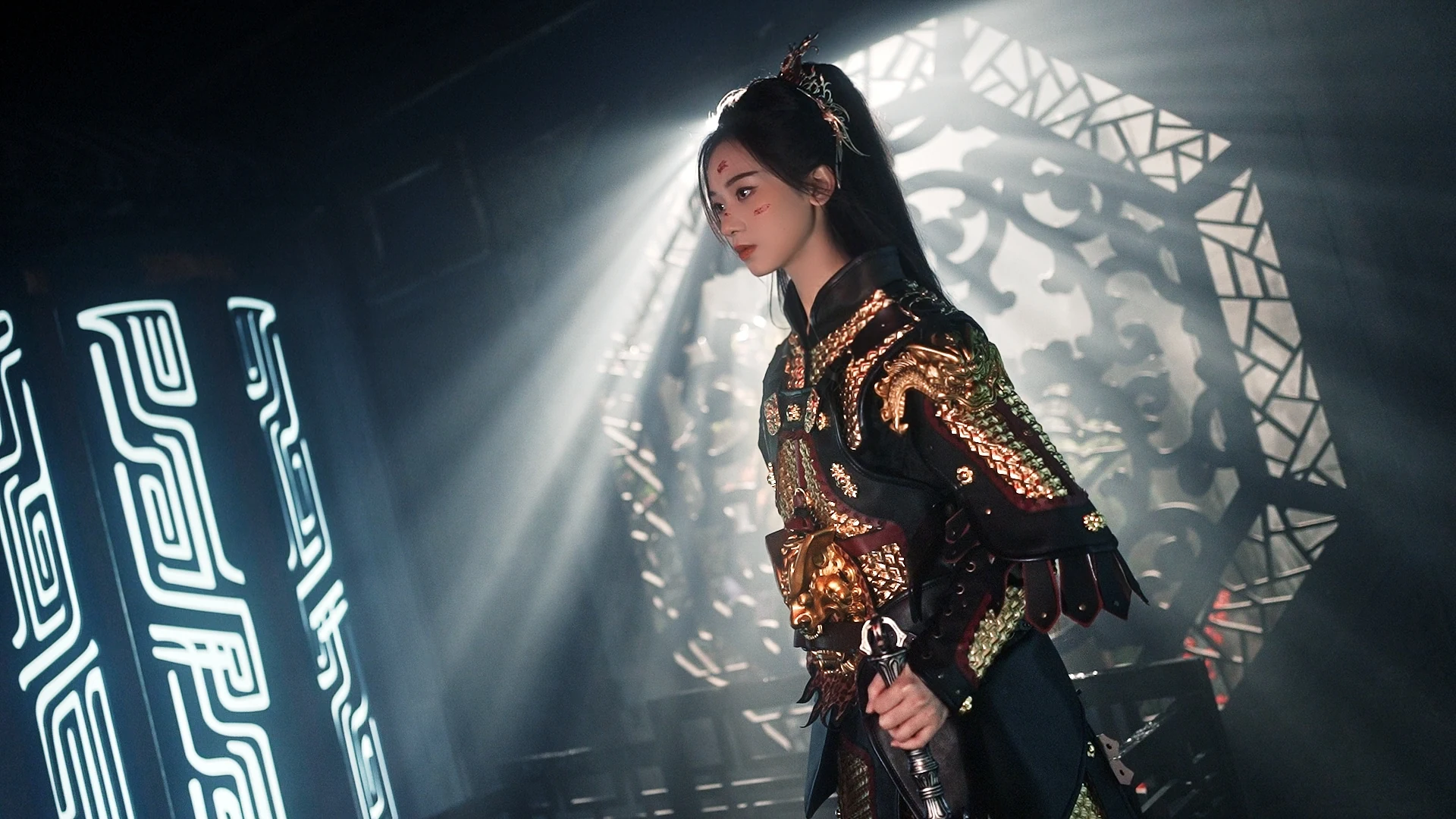
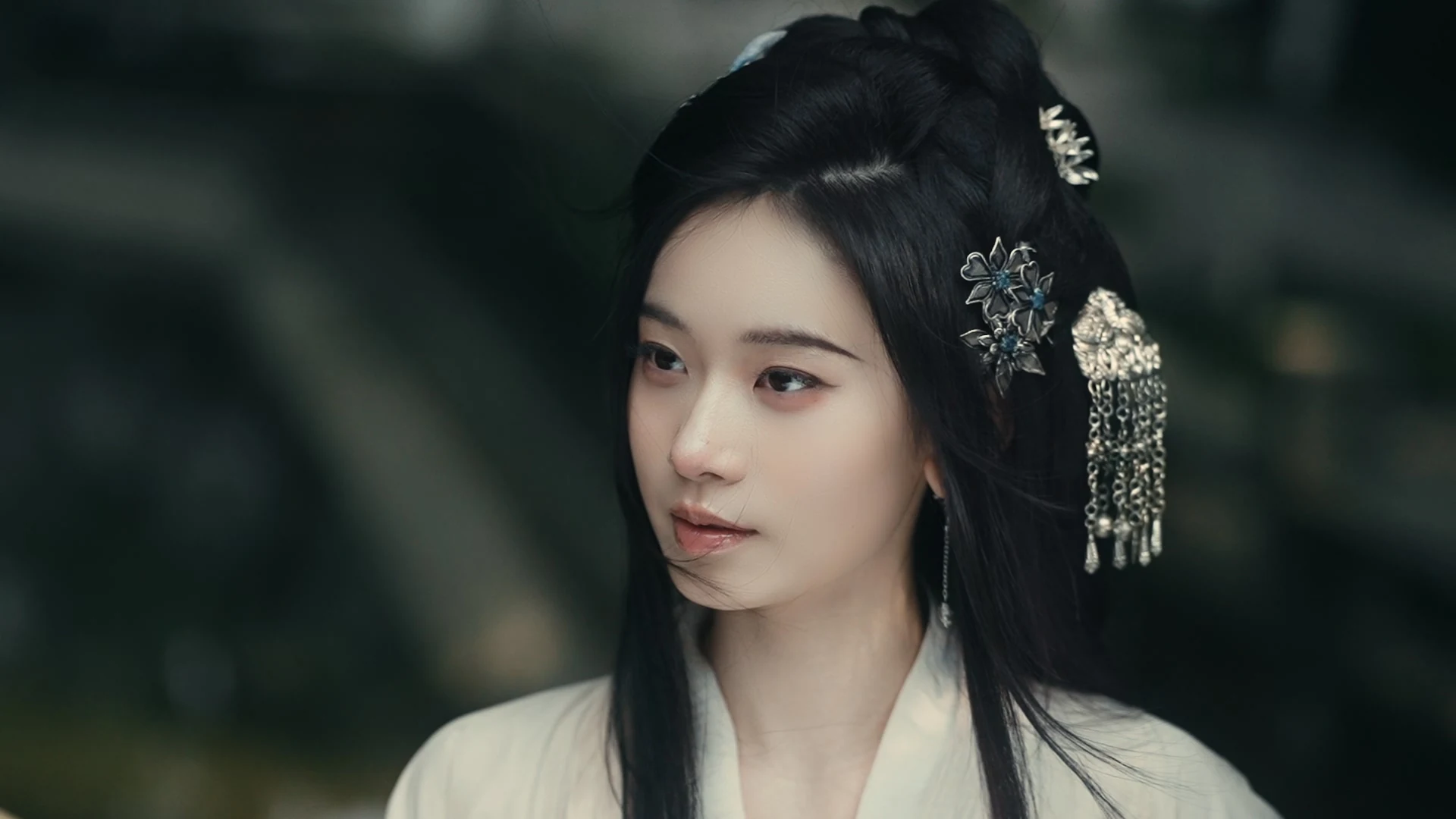
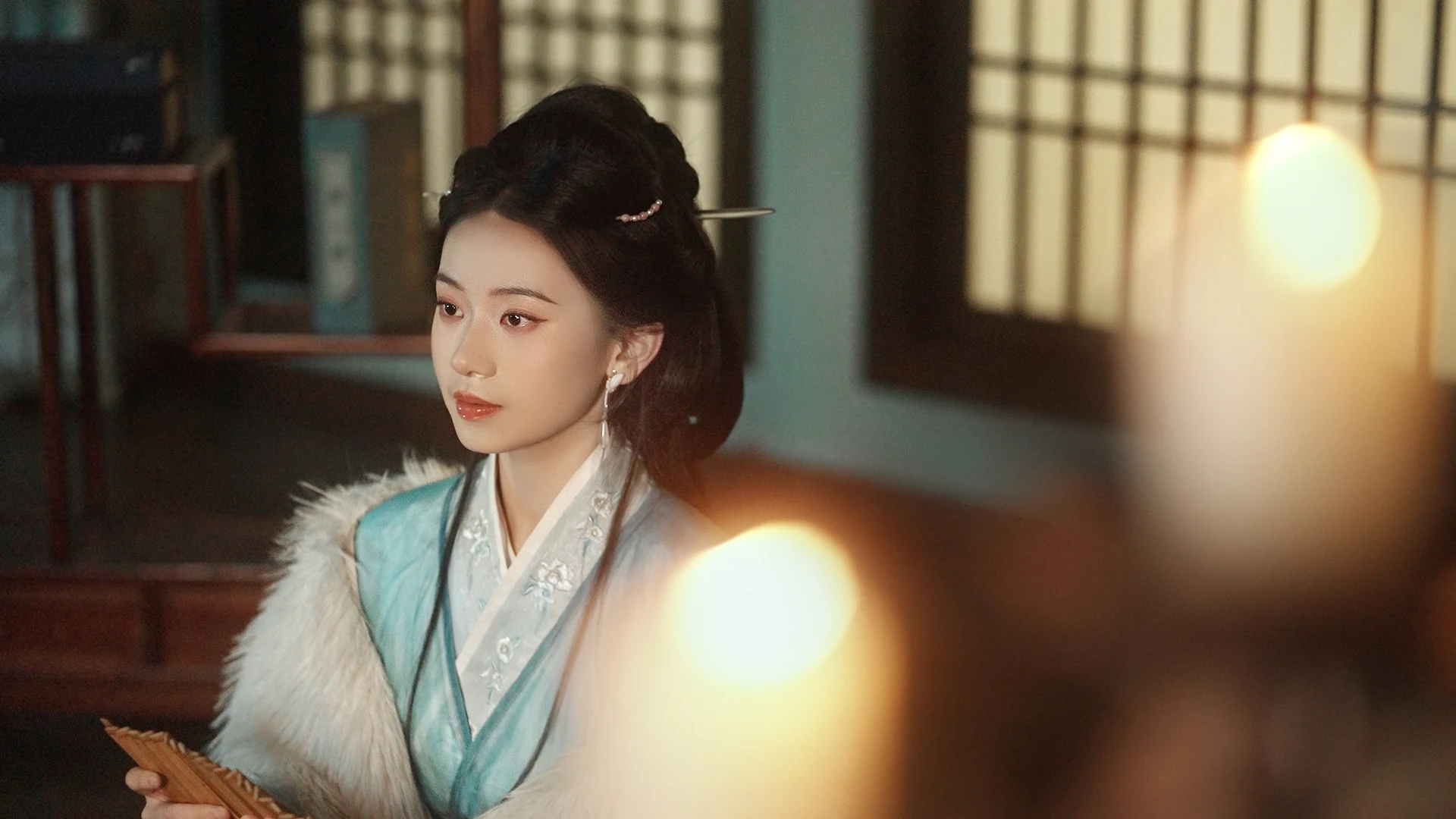
In Echoes of Herstory, I bring five women from Chinese history and legend into conversation with the present. Through historical reading, costume, performance, and first-person narration, I explore courage, creative voice, responsibility, intellectual authority, and the right to lead.
In each portrait, I connect a different life with a question of my own. I turn research into an act of interpretation: stepping into character, listening closely, and finding my voice in the present.
02 / The series
Five portraits, one frame at a timeHover over a character to explore her story
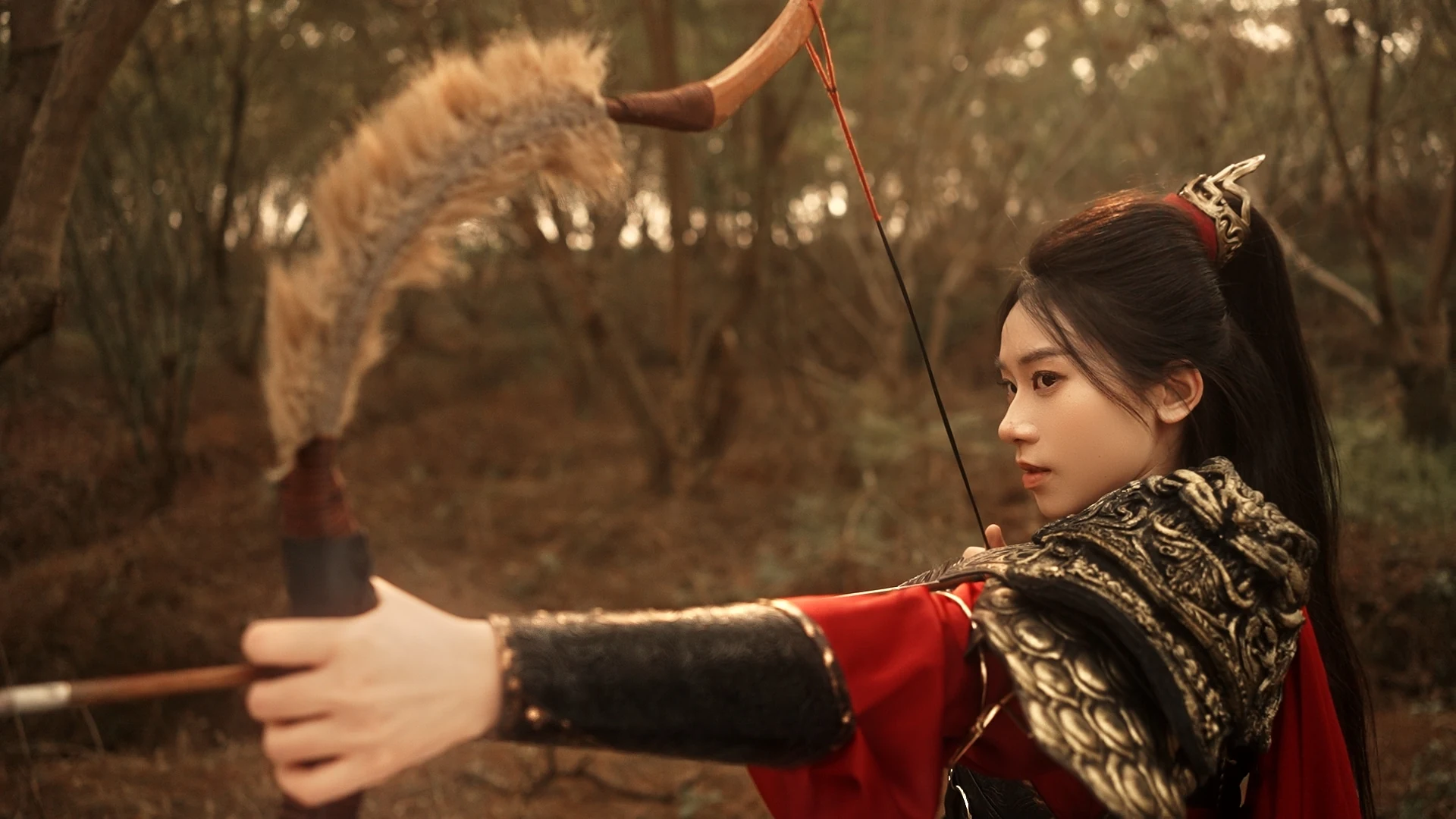
Portrait 01 / 05
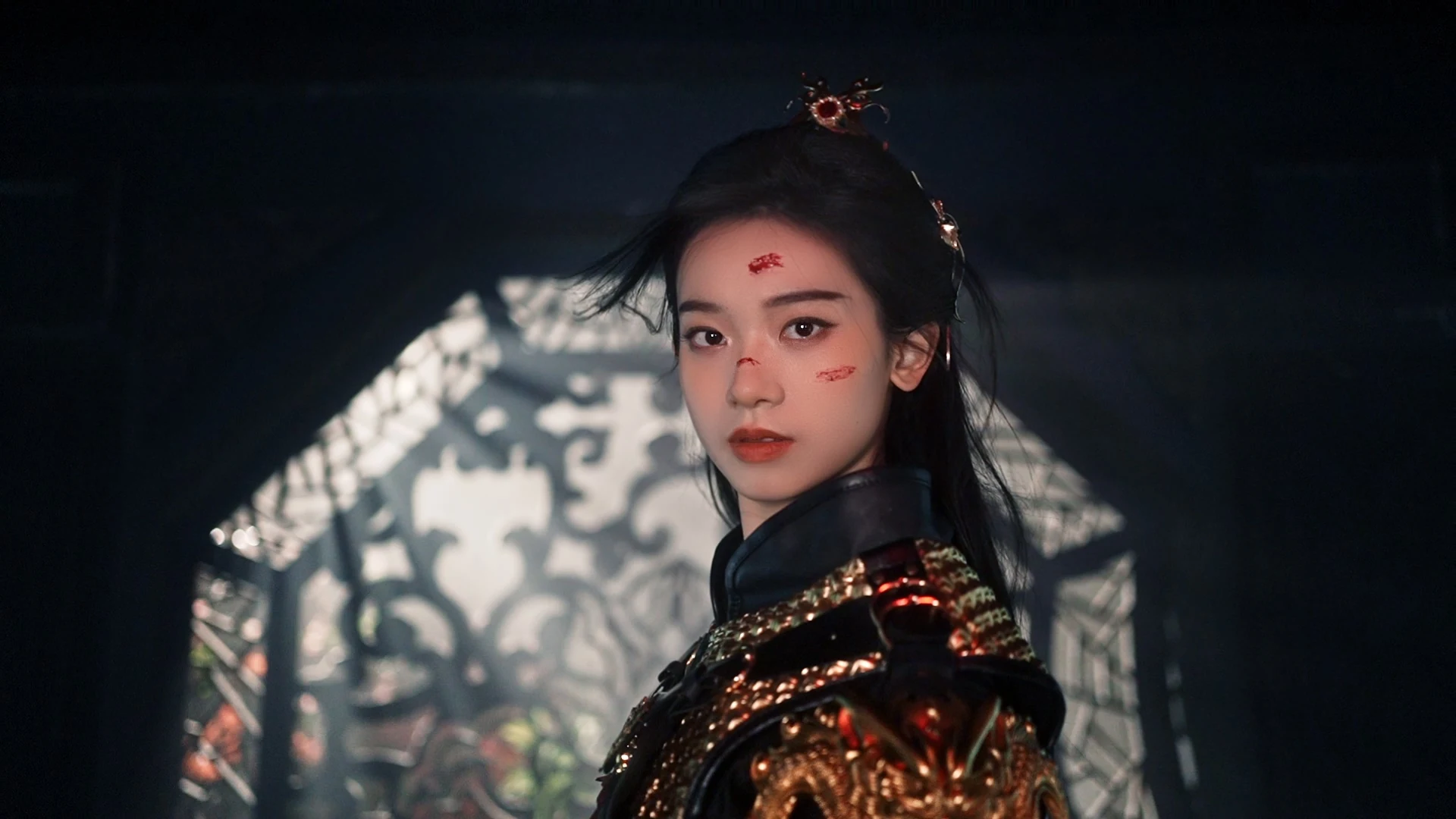
The courage to cross a boundary
The legend of Hua Mulan begins with a daughter taking her father’s place in the army. Her journey brings together two kinds of courage: crossing the boundaries imposed on women and accepting personal danger to protect someone she loves. Her story asks what becomes possible when duty meets determination.
I connect Mulan’s courage with a present-day question: who gets to decide what a woman can do? Through her story, I explore how choosing our own actions can also begin to change the stories others tell about us.
03 / TCR history research
Independent Researcher October 2025 – February 2026
I wrote a 7,387-word English research paper, The Female Emperor of Many Faces: The Historical Afterlife of Wu Zetian, arguing that later historians reshaped the ruler’s image to debate legitimacy, morality, and effective rule.
Comparing Tang, Song, and Ming–Qing historiography, I trace a shift from pragmatic ambiguity to Confucian moral judgment and late-imperial reassessment. I focus on how the standards of judgment changed—and what those changes reveal about female political authority.
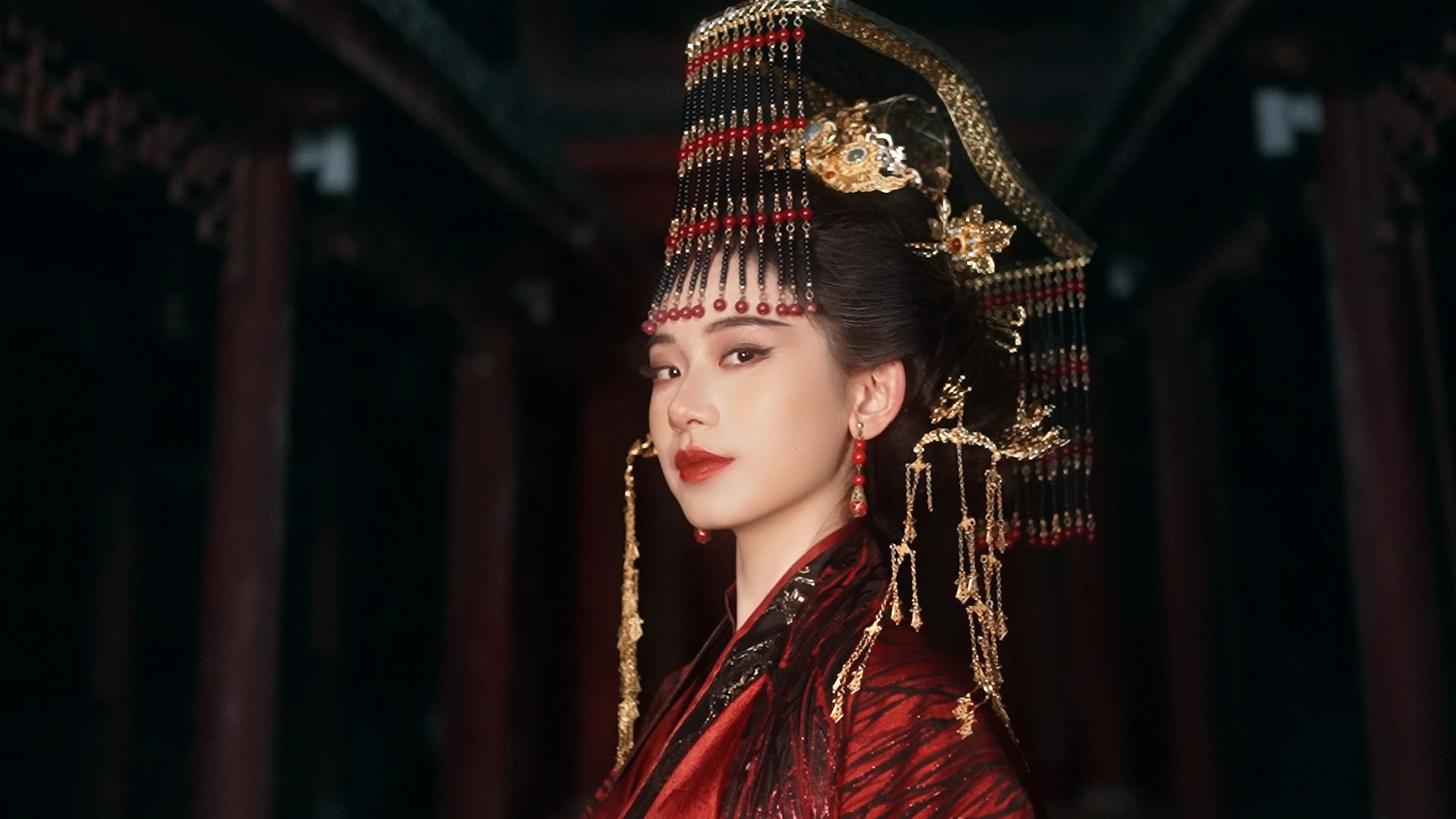
How I read the sources
Where historians placed Wu Zetian’s reign became a judgment about her right to rule.
Words about ambition, motherhood, and disorder reveal the values behind a verdict.
Private morality or public achievement? Different standards produce different portraits of the same ruler.
Following the changing verdicts
I compare arguments across four periods, including differing views within each era.
01Tang
The court honored an imperial ancestor; writers debated how effective government could coexist with a disputed claim to rule.
Essay · pp. 5–10 ↗02Song
Moralists made gender and dynastic succession tests of rightful rule, even as some acknowledged her political ability.
Essay · pp. 13–19 ↗03Ming–Qing
Thinkers disagreed over whether a ruler’s private morality or public achievements should carry more weight.
Essay · pp. 20–26 ↗04Modern
The twentieth-century readings I compare in my essay give greater weight to political skill, talent recruitment, and social change.
Essay · pp. 26–28 ↗Continue the reading
The Historical Afterlife of Wu Zetian
7,387 words36 pagesComparative historiography
My portfolio is currently available on screens wider than 980px.