Conrad Challenge · Global Champion
Backwashing
Purification
My team and I developed a self-cleaning, freeze-resistant purifier for high-altitude pastoral communities.01 / The origin
Our donation visits revealed a deeper need.
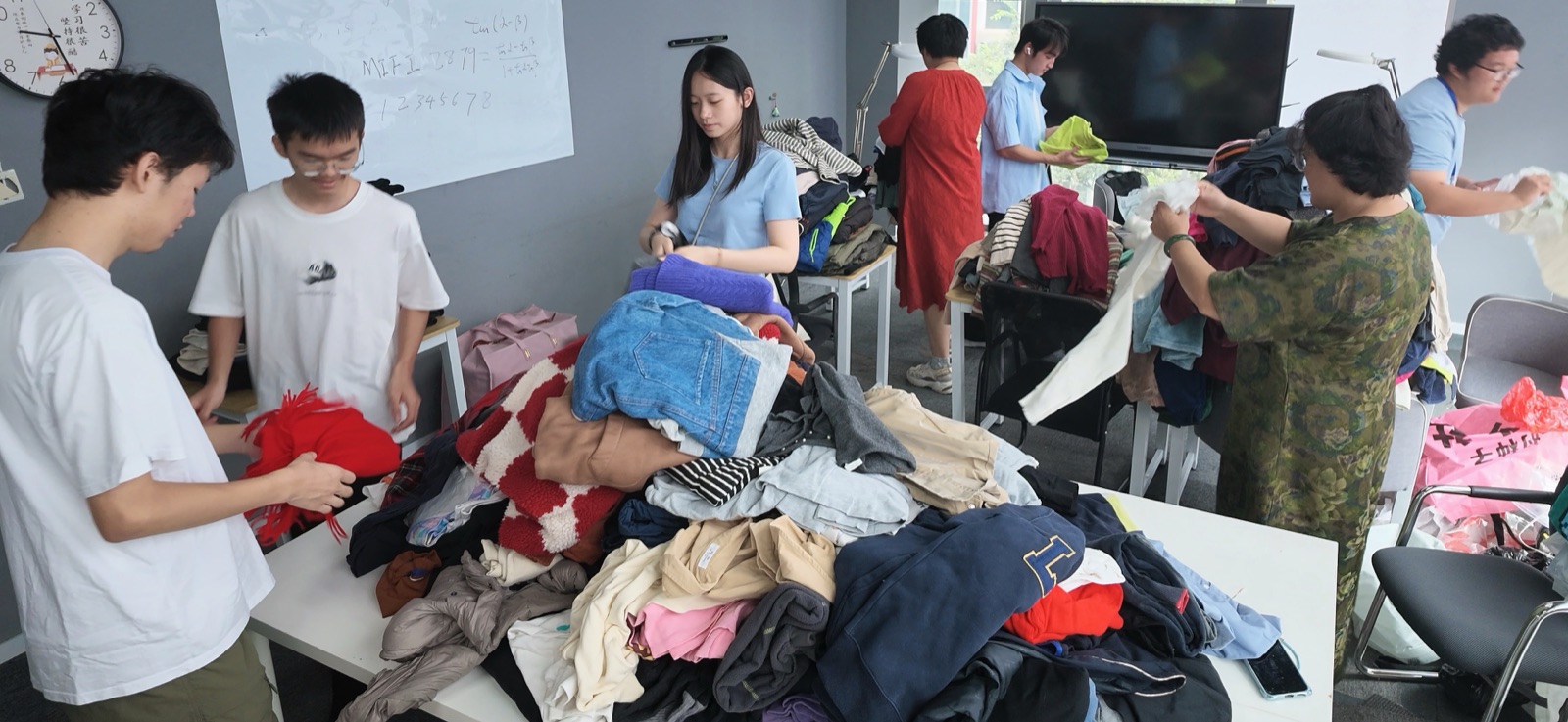
Collecting with care
Across 18 donation drives, my teammates and I delivered more than 20,000 kilograms of clothing, school supplies, and daily necessities to high-altitude pastoral communities. Before each journey, I worked alongside other volunteers to collect donated clothing, examine its condition, and sort each item by type and season.
We worked through piles of clothing together, turning many individual contributions into supplies ready for delivery. I came to understand how much the larger effort depended on these small, repeated tasks.
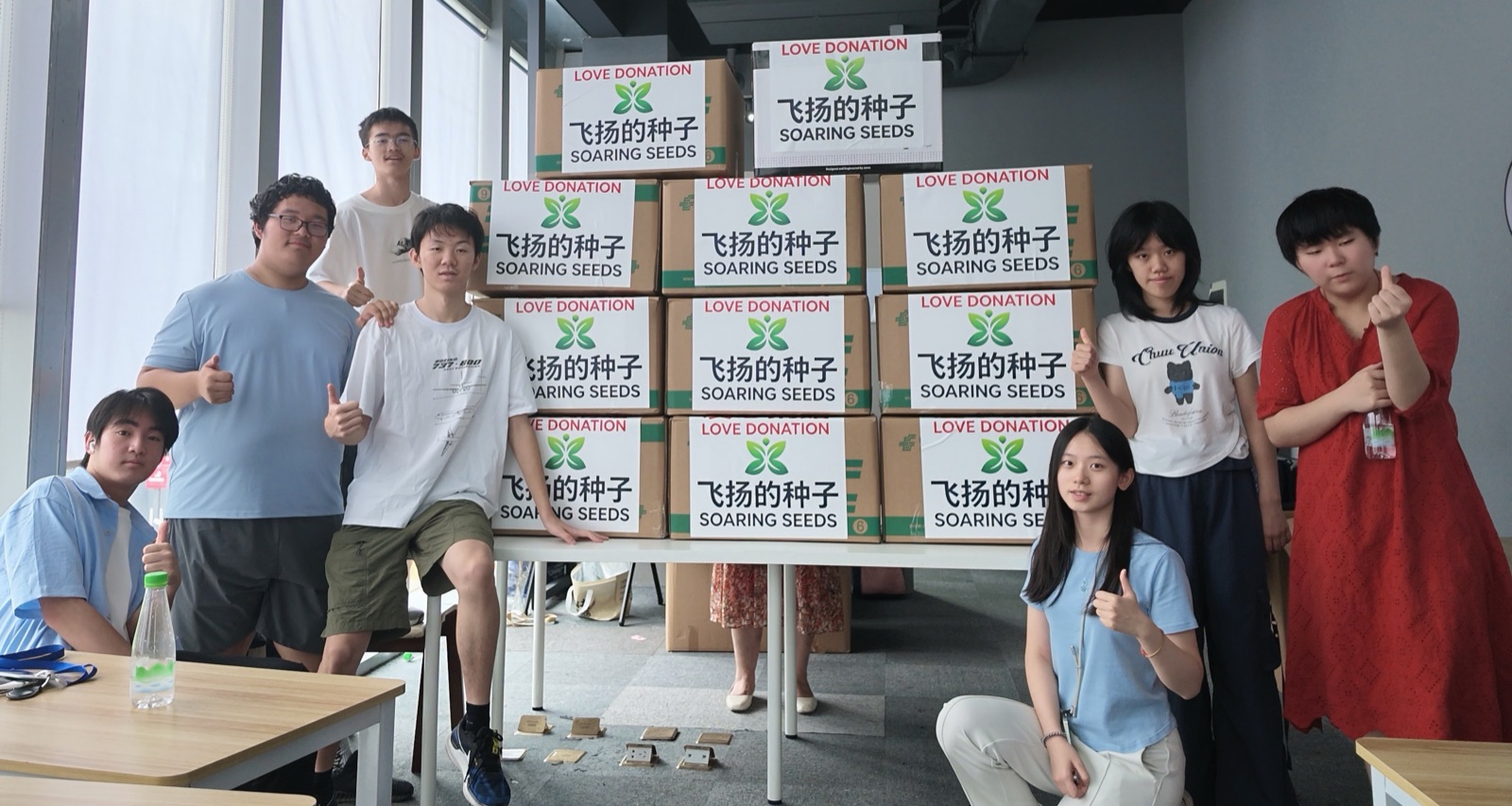
From donations to deliveries
Once we had organized the donations, we packed and labelled boxes, divided responsibilities, and moved the supplies together. Each delivery depended on repeated cycles of collection, organization, packaging, and transport.
Preparing these shipments taught me that a donation project depends on coordination long before the supplies reach the people they are intended for.
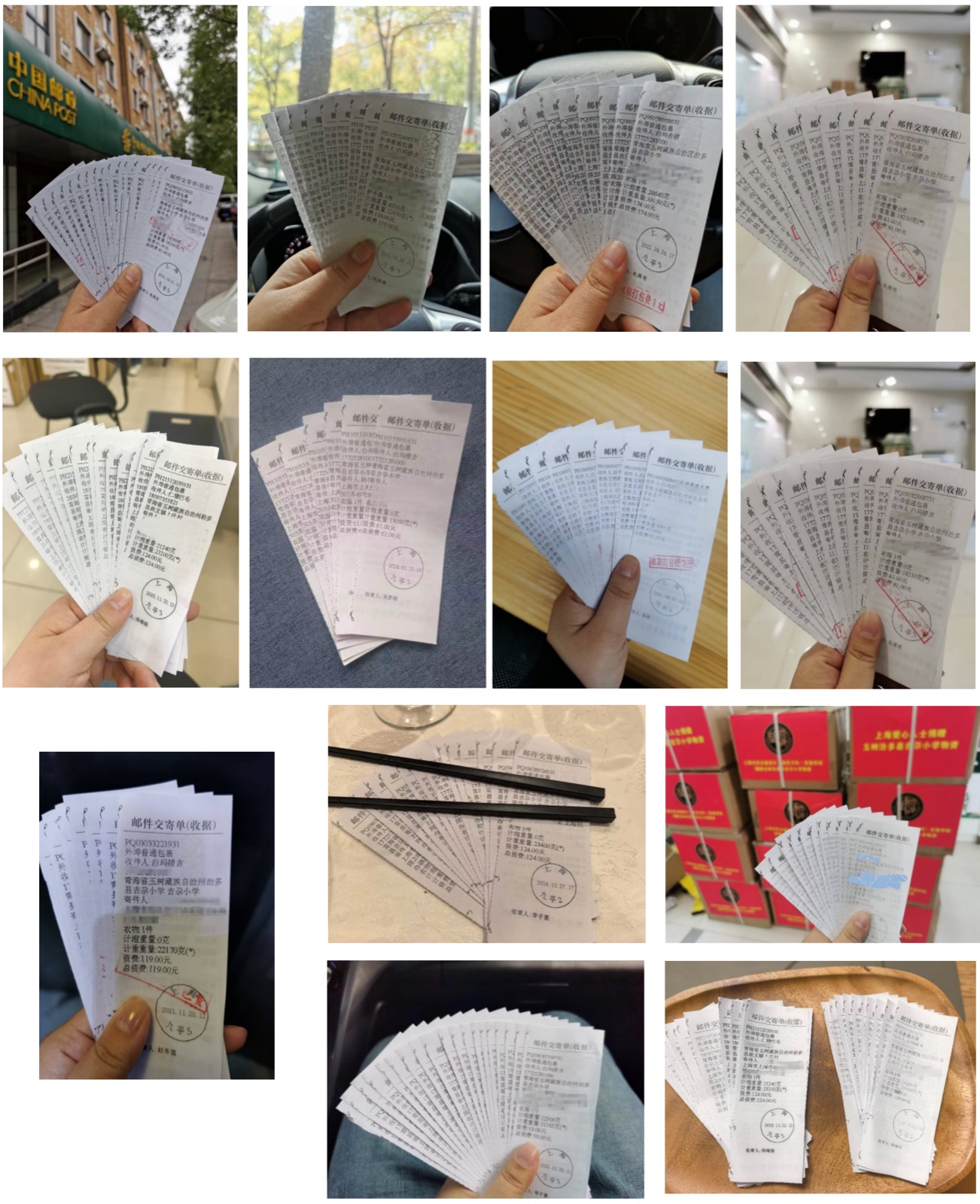
Returning, again and again
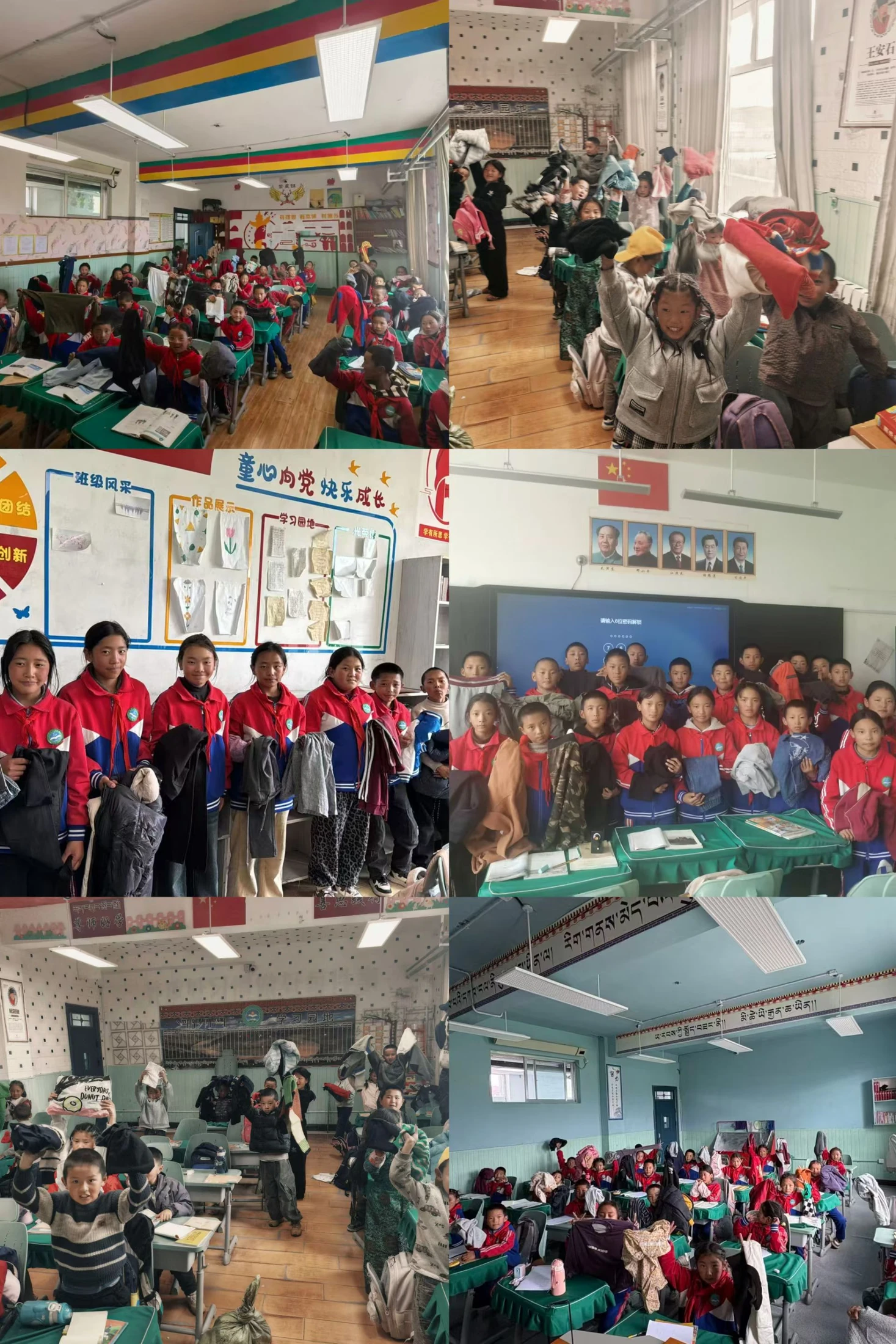
We kept postal receipts across all 18 donation drives, recording the journeys from collection to delivery. At the destination, our school and community visits connected those shipments with the people receiving them.
By returning over time, my teammates and I built trust and learned about local life beyond a single encounter.
The people behind the numbers
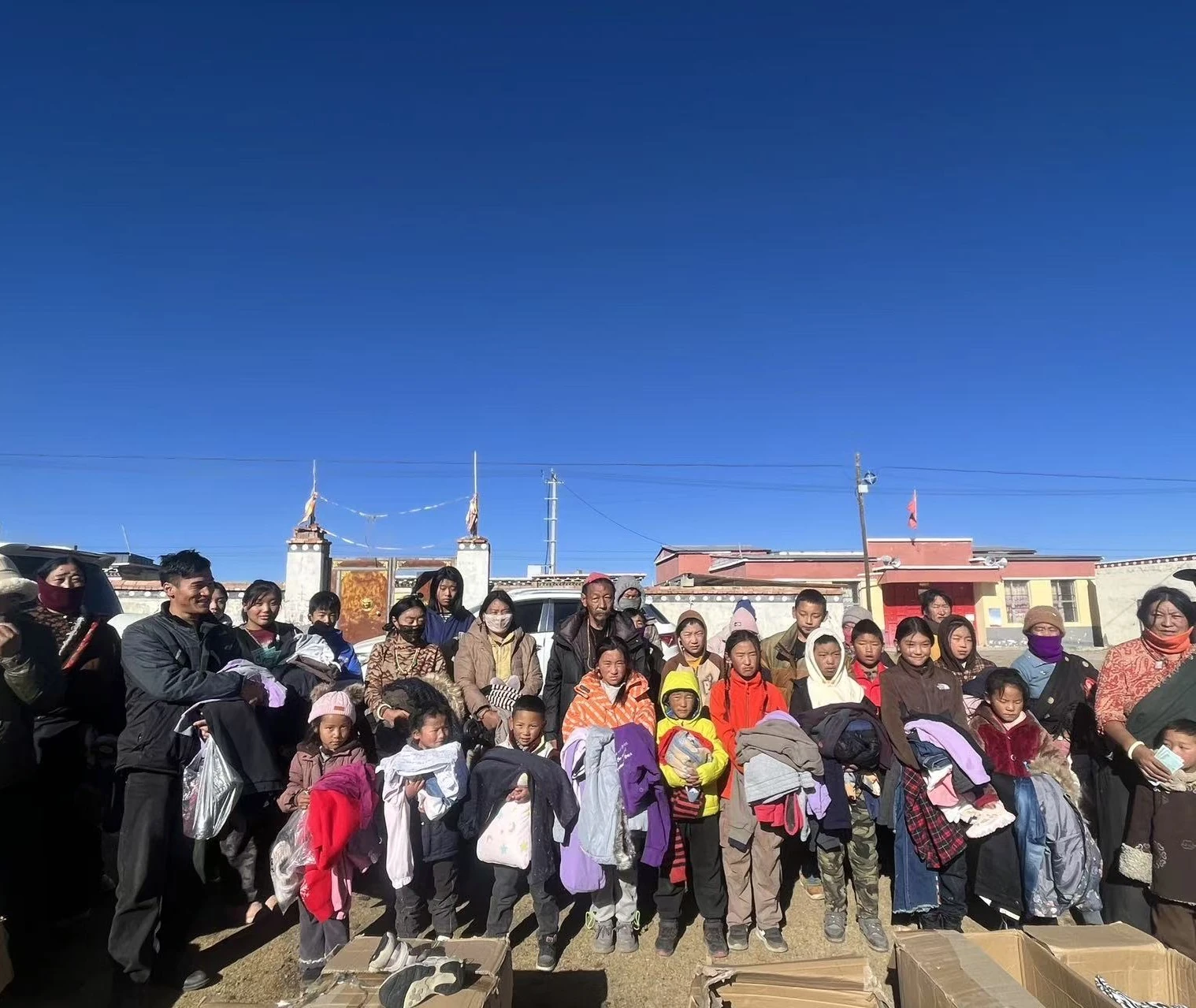
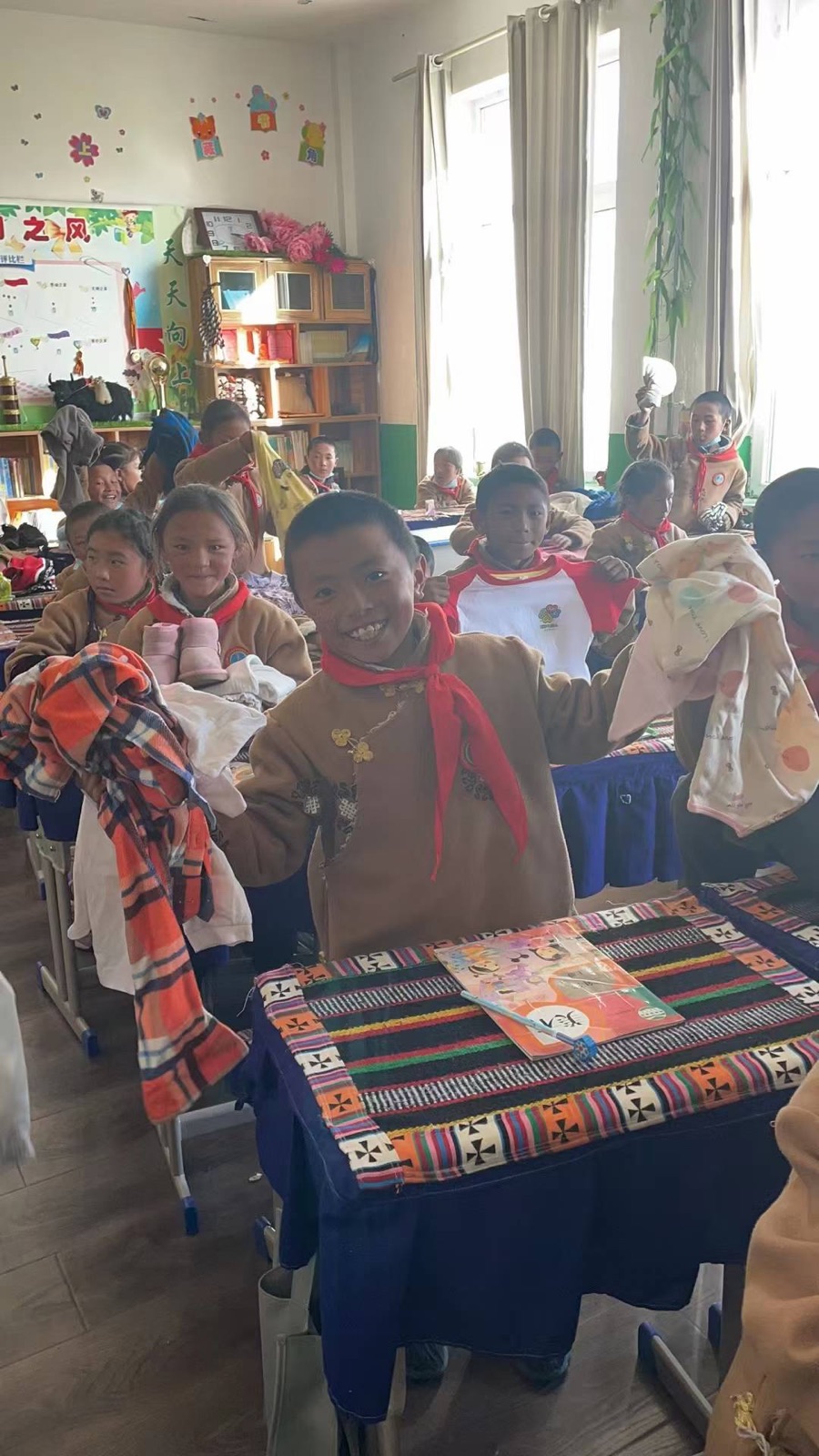
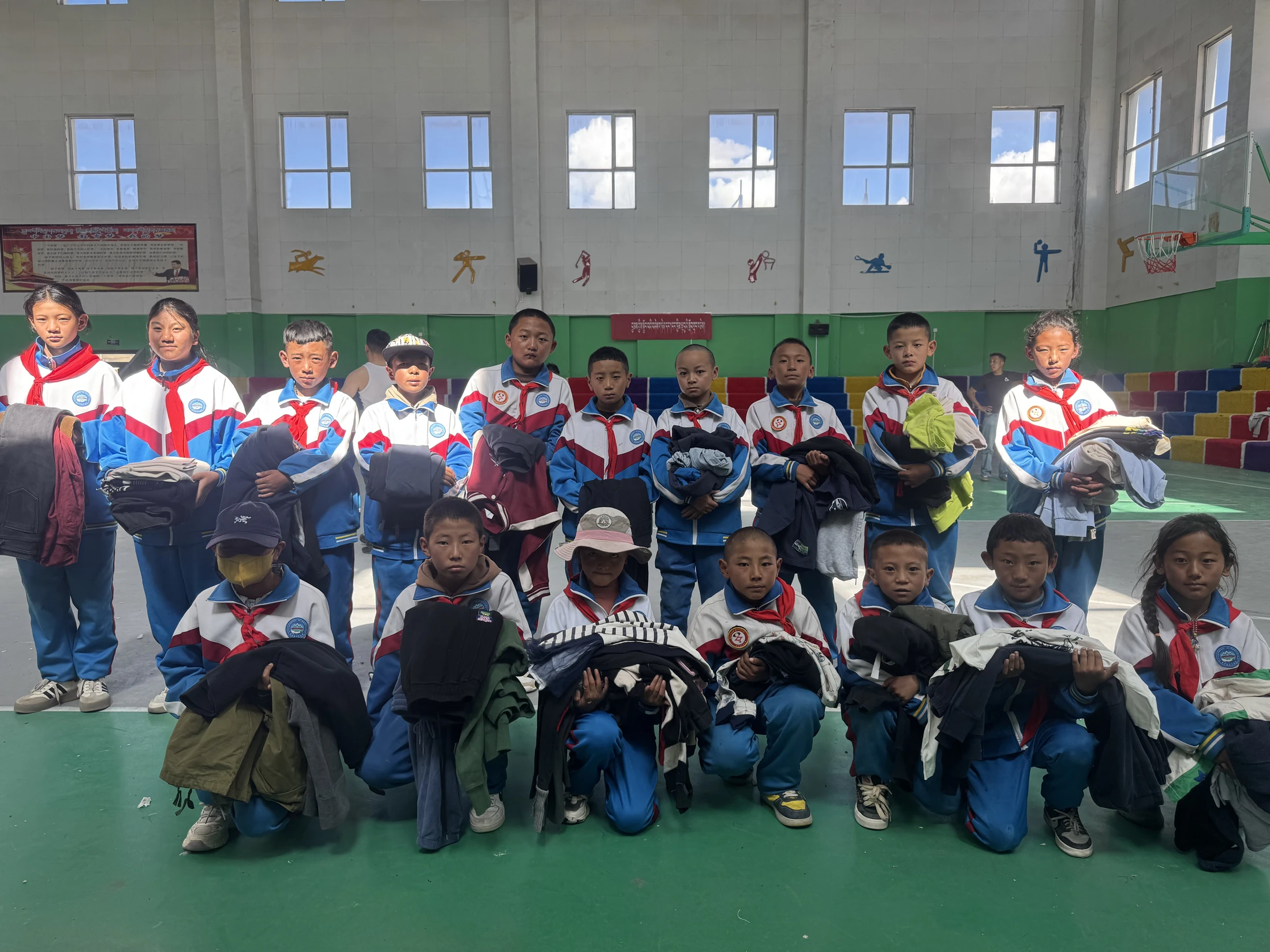
I saw the impact most clearly during distribution. Children held newly received school backpacks, while we handed out warm clothing in classrooms and community gathering spaces. These moments gave a human scale to the more than 20,000 kilograms in our delivery records.
Supplies become part of daily life
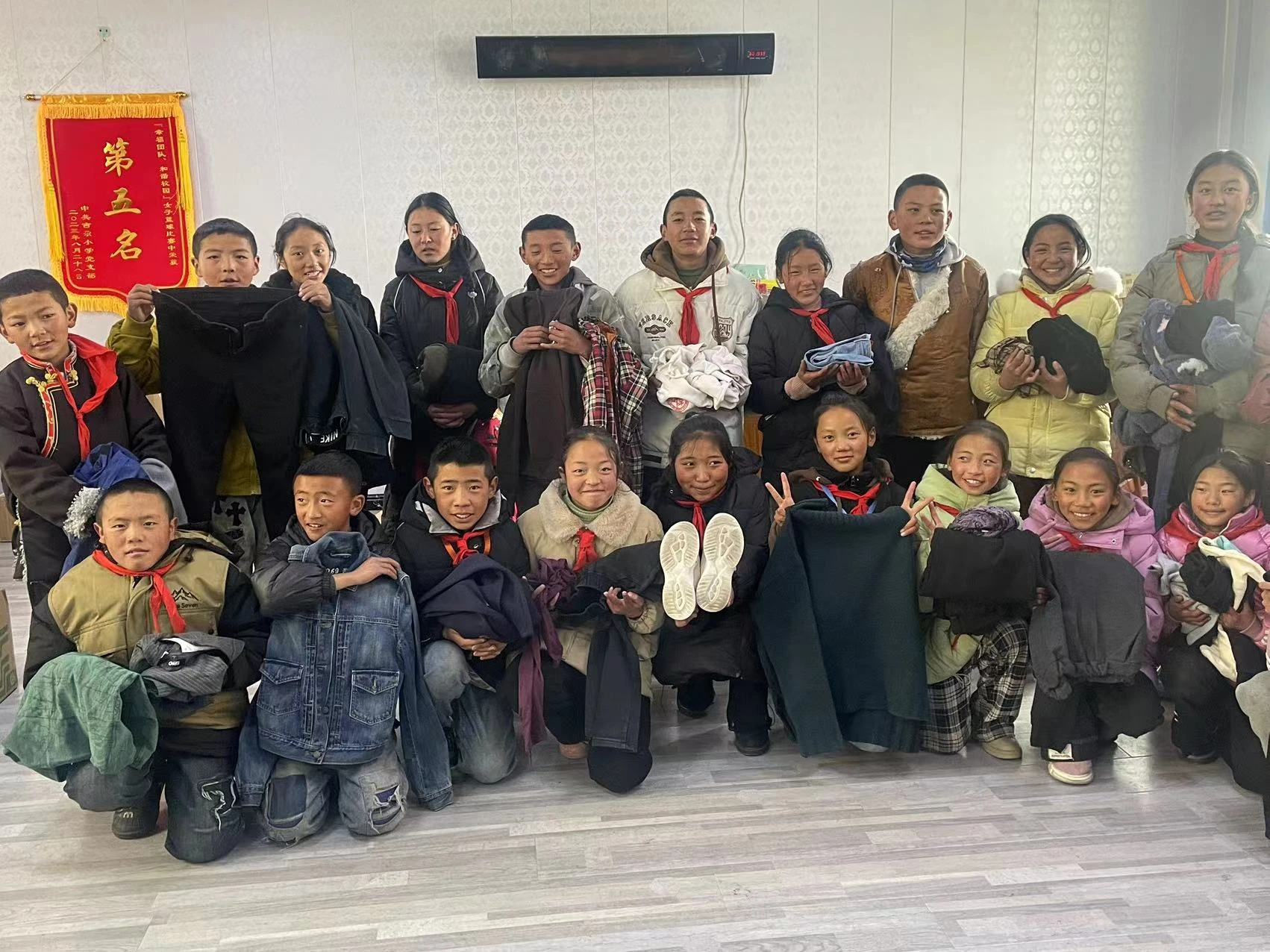
Seeing clothing, shoes, and school supplies become part of students’ everyday routines helped us understand what each shipment meant for a household, beyond a delivery count or total weight.
A deeper need
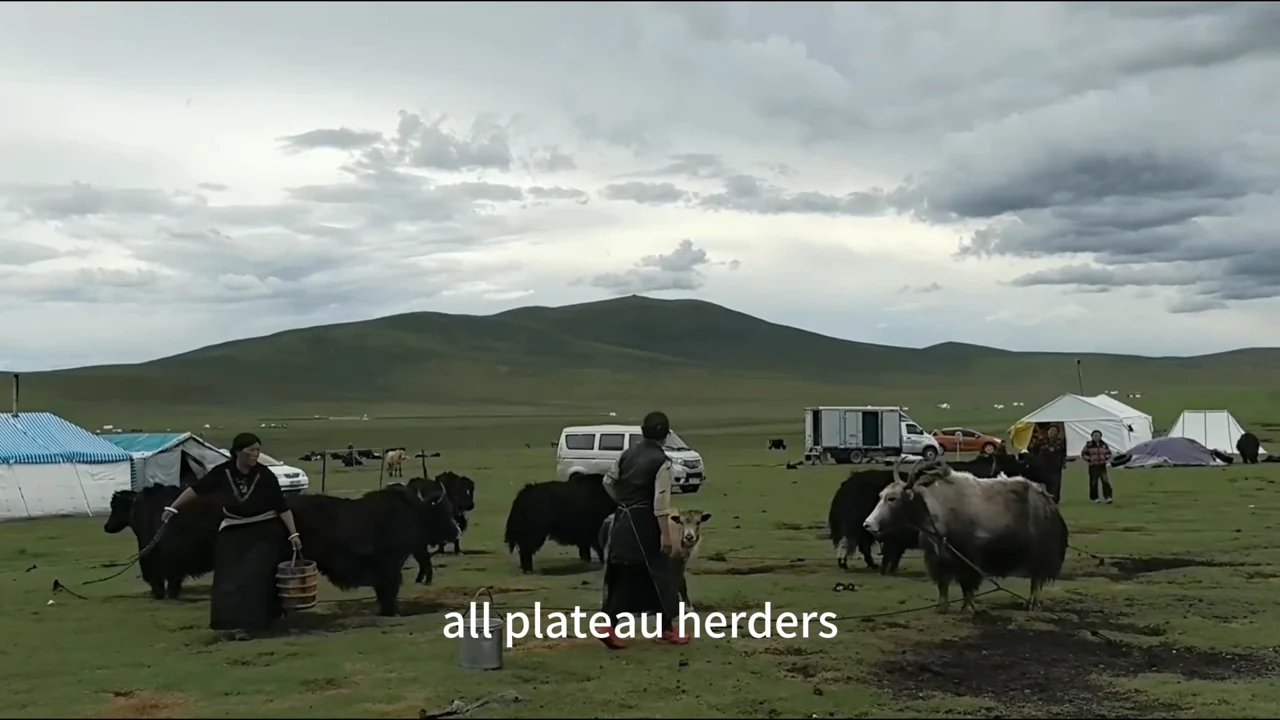
During our repeated visits, I encountered a need that donated goods could not resolve. Deep in the grazing areas, families still collected visibly turbid water from exposed streams, with little access to treatment infrastructure. I realized that material aid could ease an immediate shortage but could not remove this recurring health risk. My teammates and I began looking for a more durable response: a purification system designed around the realities of pastoral life.
Our question widened from what we could bring on the next visit to what families could use every day. That shift led us from donation work into an investigation of water access, local conditions, and practical engineering.
- 18
- donation drives
- >20,000 kg
- supplies delivered
02 / Field evidence
We turned field observations into a precise design brief.
Reading the landscape
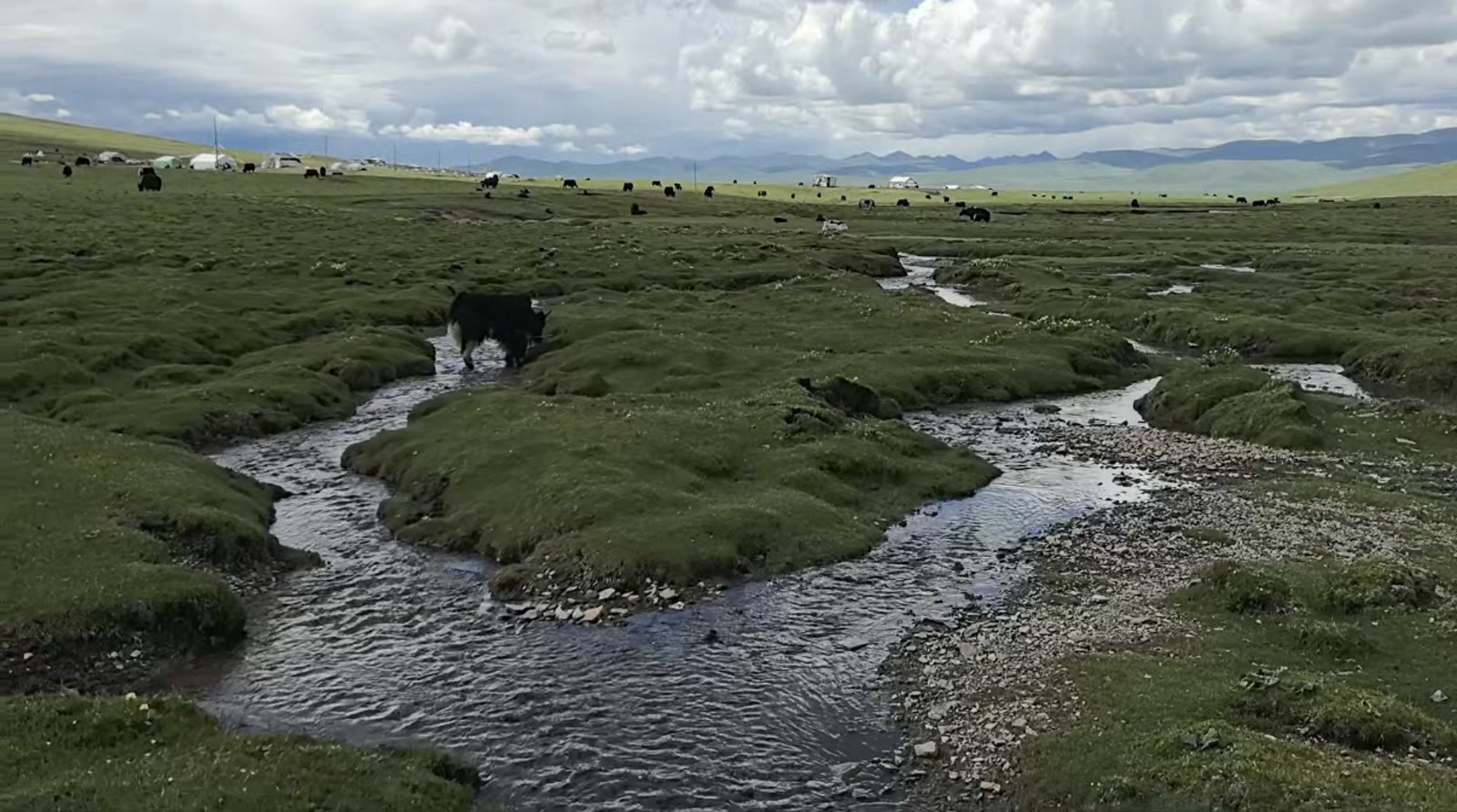
We began our field research with the landscape itself. Across several high-altitude grazing sites, we documented shallow streams winding directly through open pasture and seasonal camps. These channels are often the nearest available water source, yet they have no protected intake, treatment infrastructure, or physical separation from the surrounding grazing environment.
I learned to consider each water source alongside the surrounding settlement and grazing area, rather than treating it as an isolated point on a map.
Water in everyday life
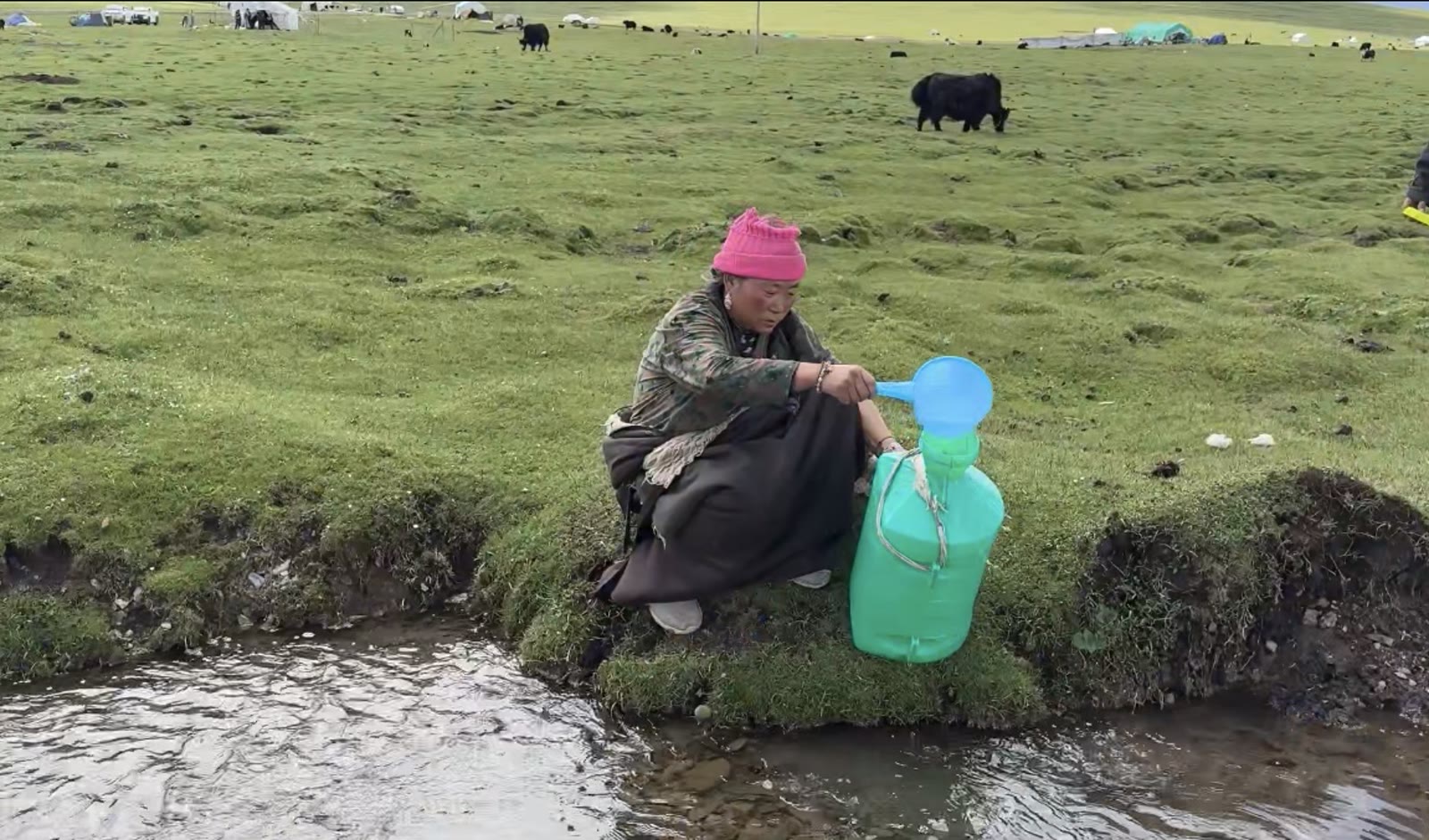
Through observation and conversations with residents, we learned how this exposure enters daily life. Families collect stream water by hand, filling open buckets and jerrycans at the water’s edge before carrying it back to their tents or homes. The source may look clear from a distance, but disturbed sediment, surface runoff, and unrestricted animal access can change its quality quickly.
We kept this household routine at the center of our design problem. Alongside meeting treatment goals, our system would need to fit the way people reach the source, handle containers, and bring water home.
Sampling at the source
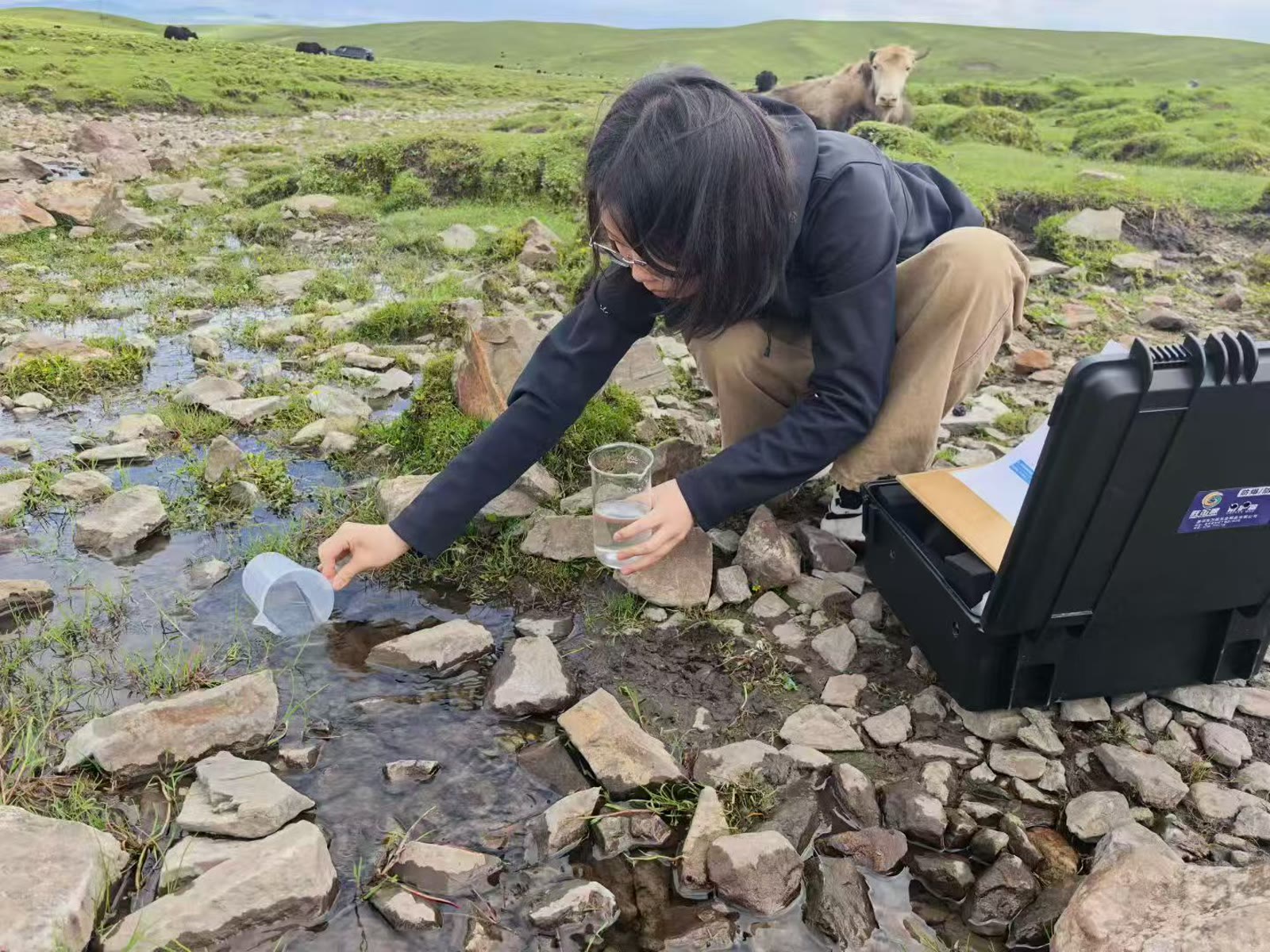
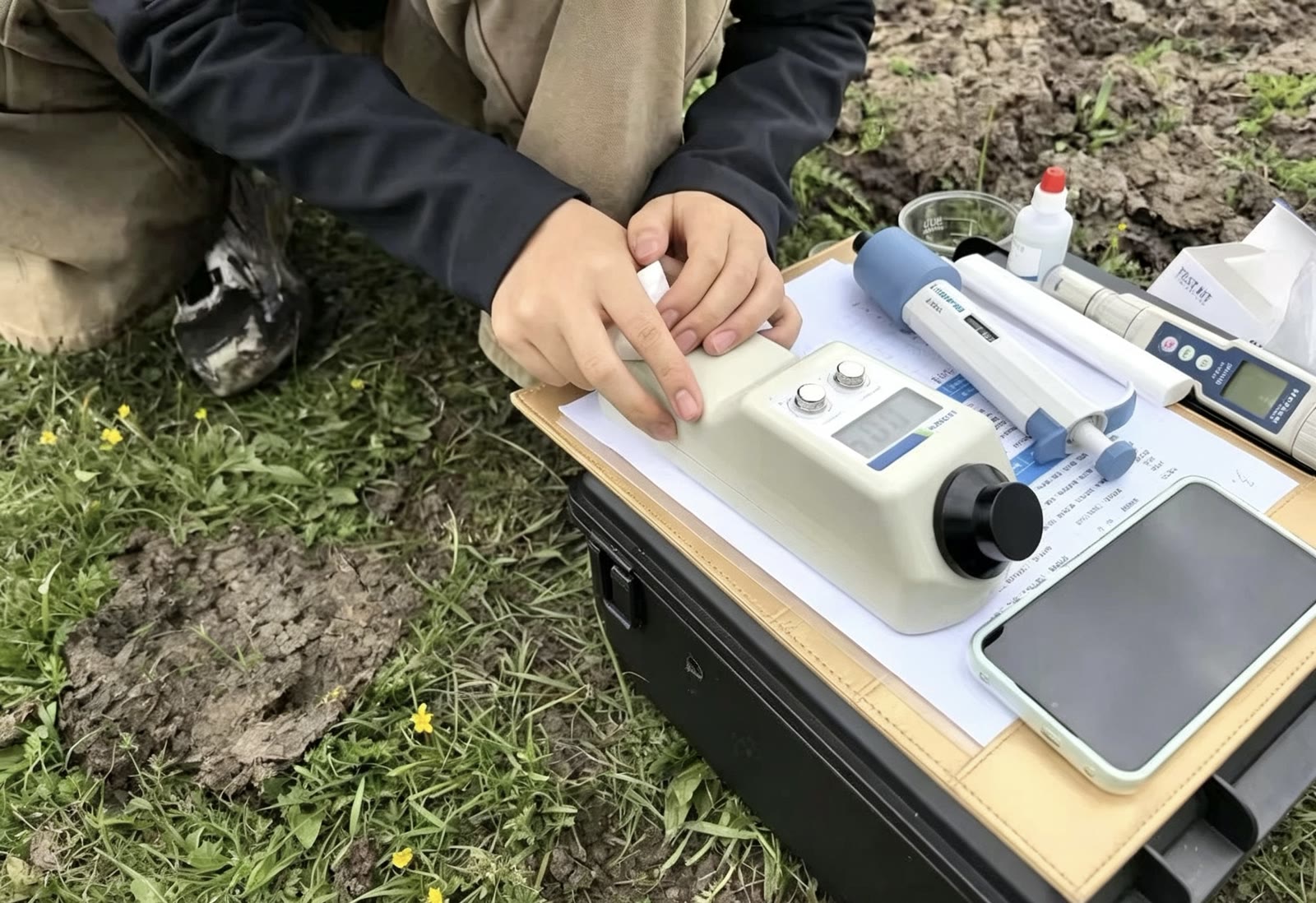
My teammates and I turned these observations into a repeatable sampling process. At multiple locations, we collected water directly from the source, transferred it into clean containers with portable tubing, and recorded the conditions surrounding each sampling point. By working at the exact places residents used, we investigated everyday exposure rather than an idealized laboratory scenario.
Measuring in the field
We carried portable water-quality meters and testing equipment into the field to examine more than visible muddiness. We checked samples beside the source and documented readings before transport. Repeating the same process across sites helped us compare conditions and distinguish a persistent environmental problem from an isolated observation.
We paired our visual field records with measurements, then relied on laboratory analysis for questions the field photographs alone could not answer.
Independent verification
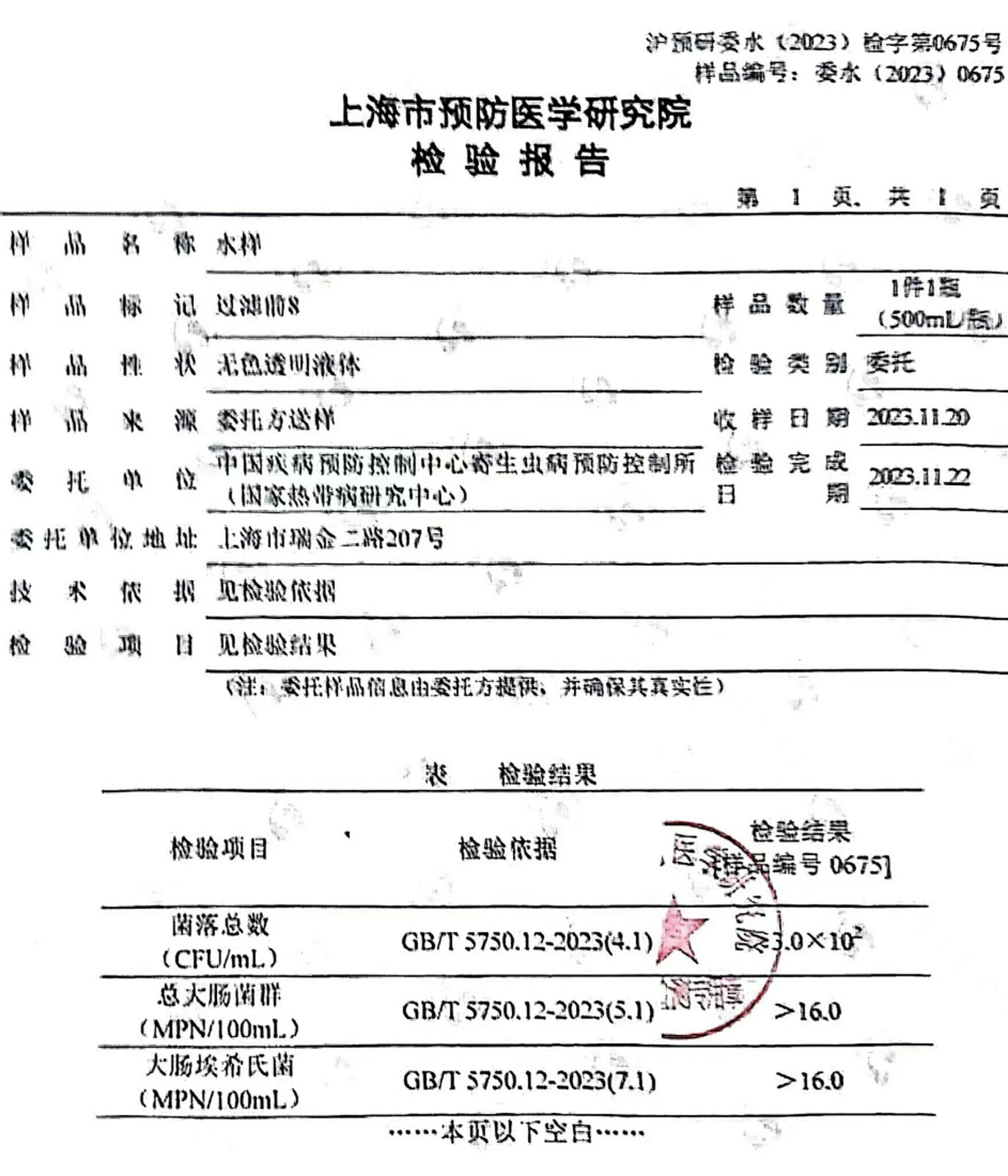
Professional testing of our samples confirmed high levels of suspended sediment and harmful bacteria, together with Echinococcus eggs associated with hydatid disease. Watching livestock move through the same open waterways helped me understand how closely human activity, animal movement, and surface-water quality overlap in pastoral life. For families far from medical services, repeated exposure can become both a serious health risk and a substantial financial burden.
We read the laboratory report alongside our field observations to connect the test results with the water sources families rely on.
The design brief
We compared these findings with purifiers already on the market and found a clear technical gap. Conventional systems generally depended on grid electricity, clogged rapidly in highly turbid water, or retained enough water to freeze and damage internal components near −20°C. We translated the field evidence into a precise design brief: our solution had to operate off-grid, resist sediment blockage, and survive extreme cold without adding complicated maintenance for users.
We also needed these requirements to work together. Independent power would have limited value if sediment quickly stopped the flow, while cold-weather protection had to fit a device residents could operate and maintain in daily life.
- No grid
- independent power
- High turbidity
- anti-clogging
- −20°C
- freeze protection
03 / Product iteration
We built on local knowledge through three prototypes.
Making the water path visible
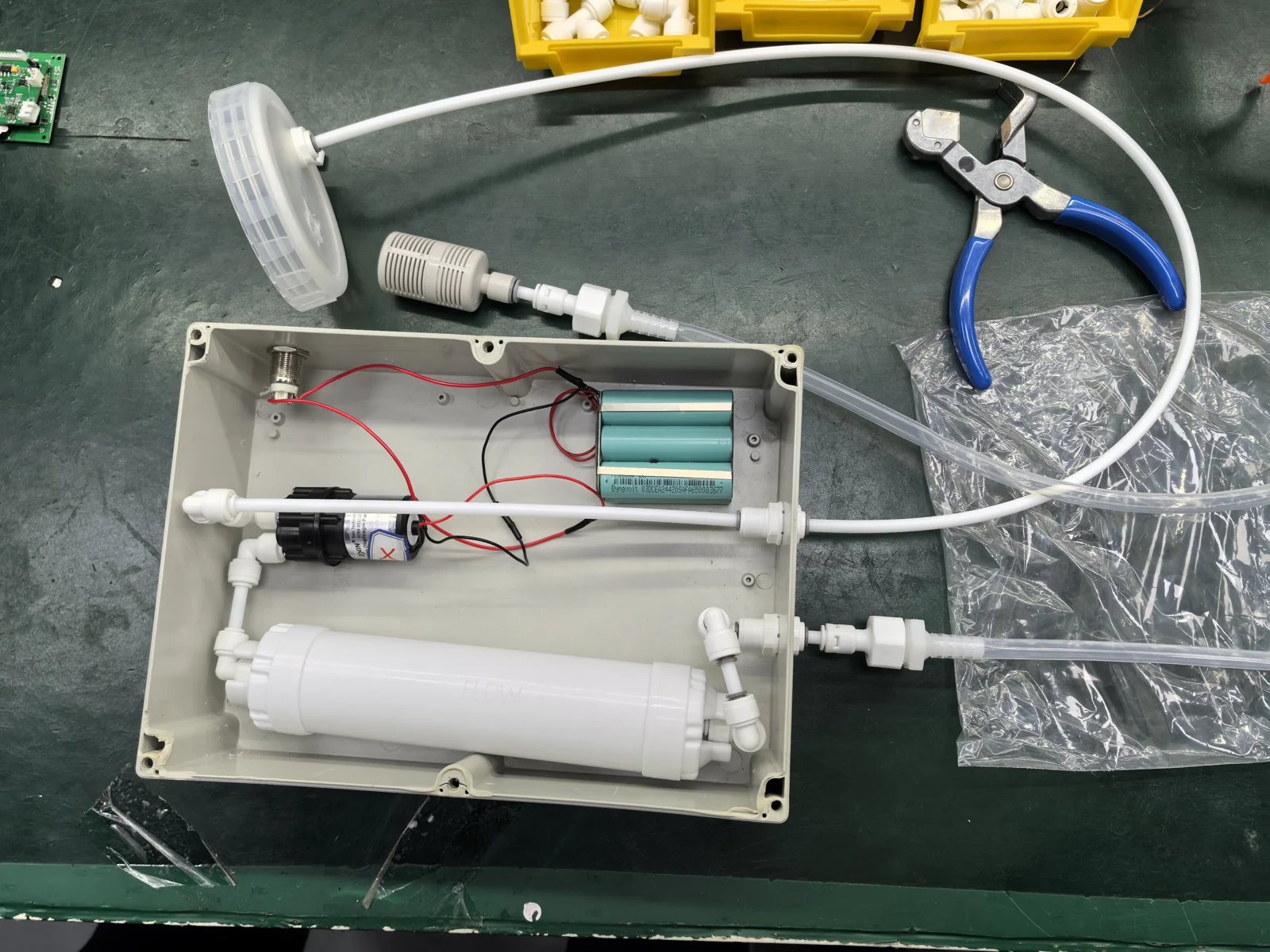
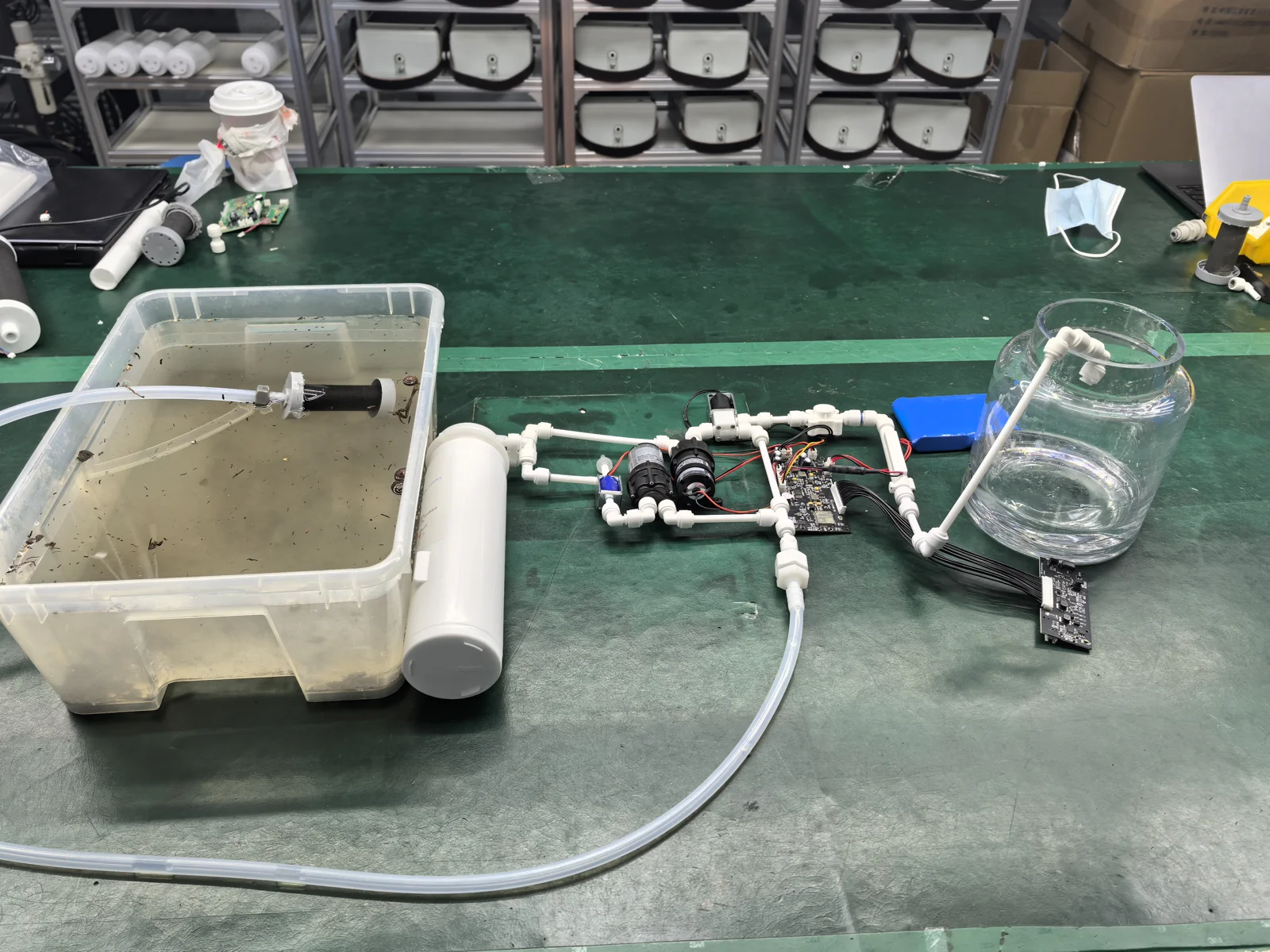
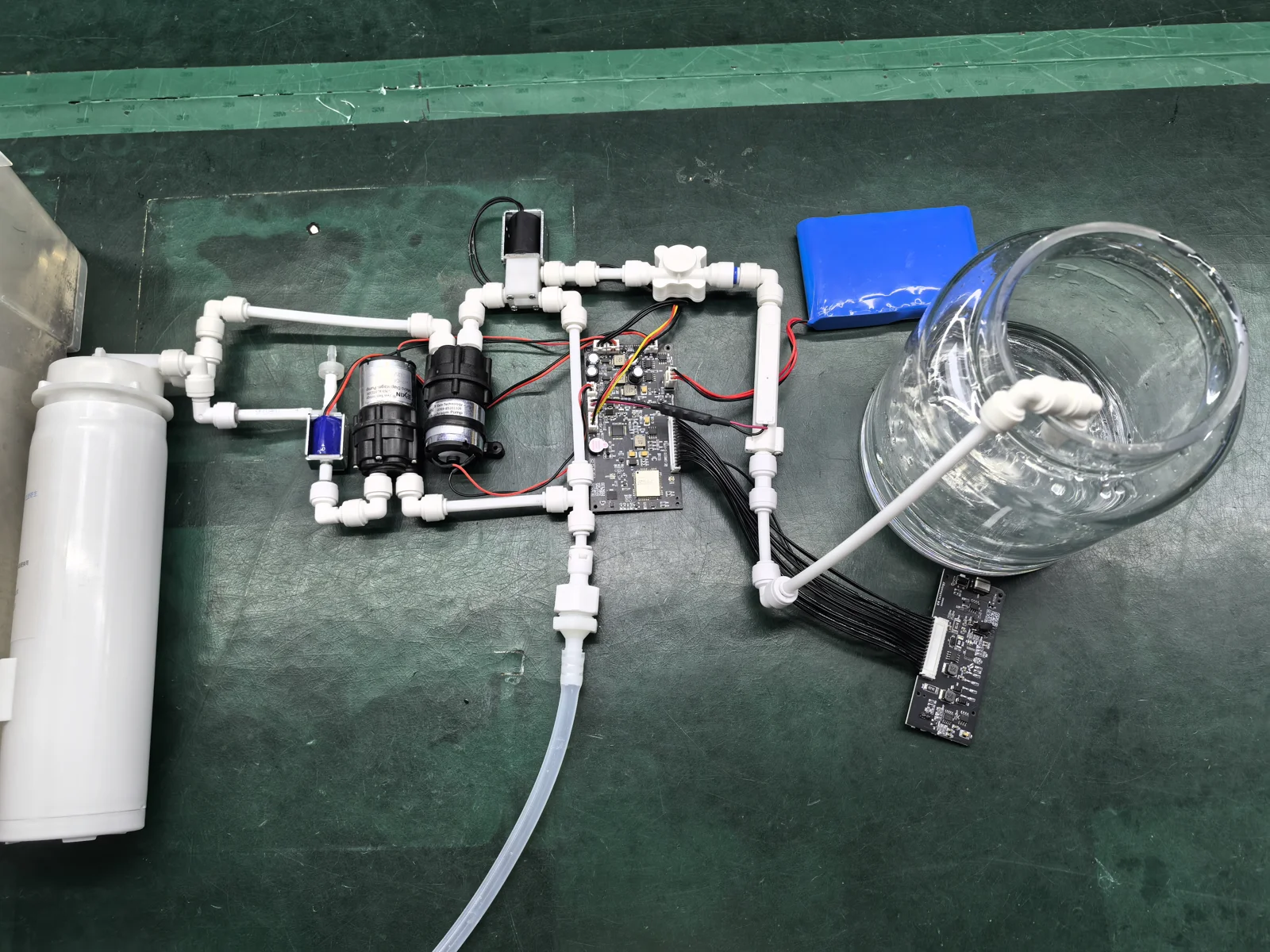
We laid out the purifier’s essential parts on the workbench: filters, tubing, valves, and collection vessels. Keeping the water path exposed let us examine how the components worked together before integrating them into a portable unit. We could now turn our fieldwork brief into a physical system to assemble, test, and revise.
Learning from local life
We drew inspiration from an observation in pastoral life: local families drain washed wool thoroughly so trapped moisture does not freeze overnight. Combining that lesson with a circuit-reversing principle, we developed two complementary functions. Reverse-flushing clears accumulated sediment, while an air-purge cycle removes residual water before it can freeze inside the system. Our arrangement of valves and tubing puts these functions into practice.
Taking the prototype outdoors
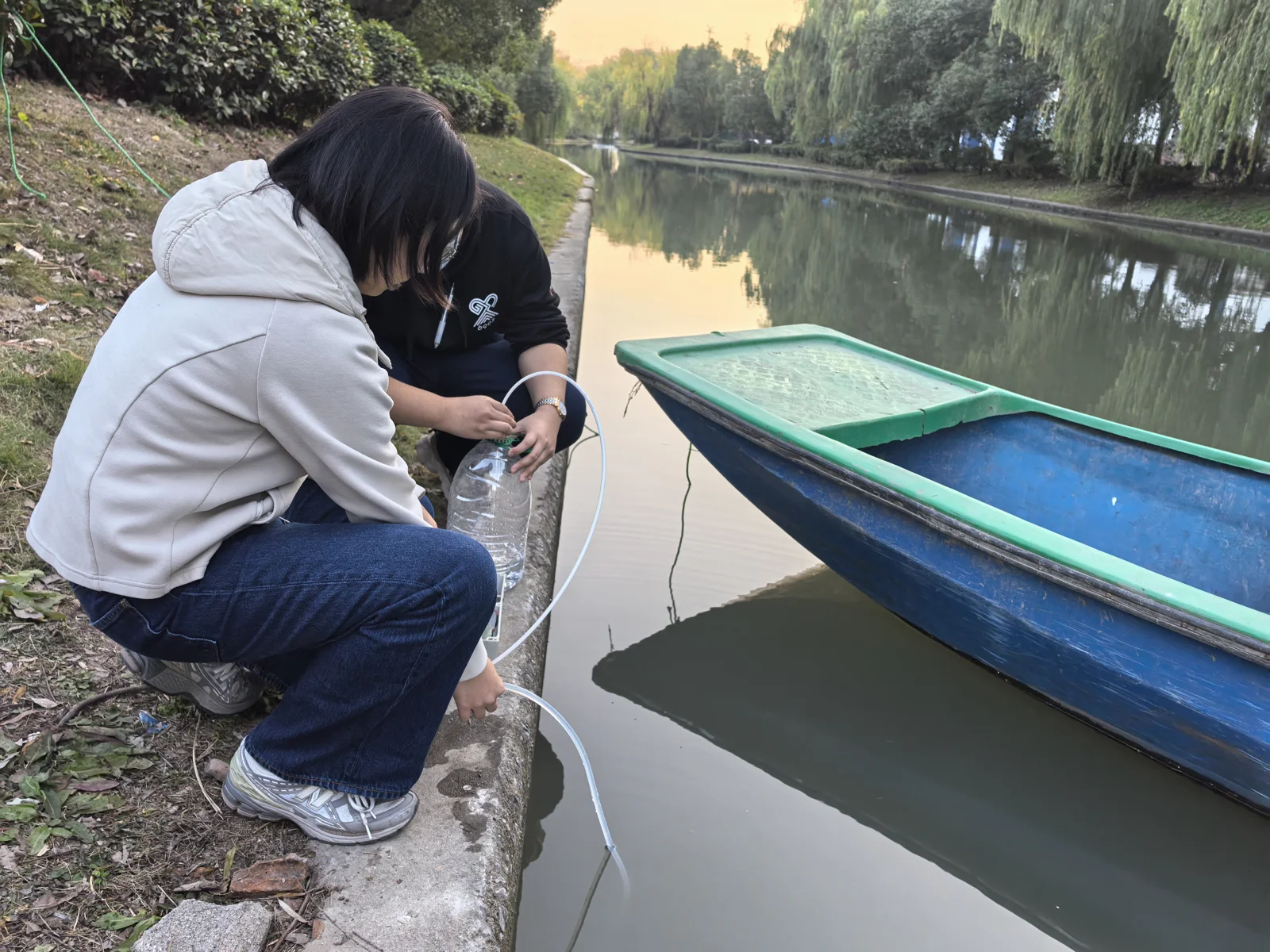
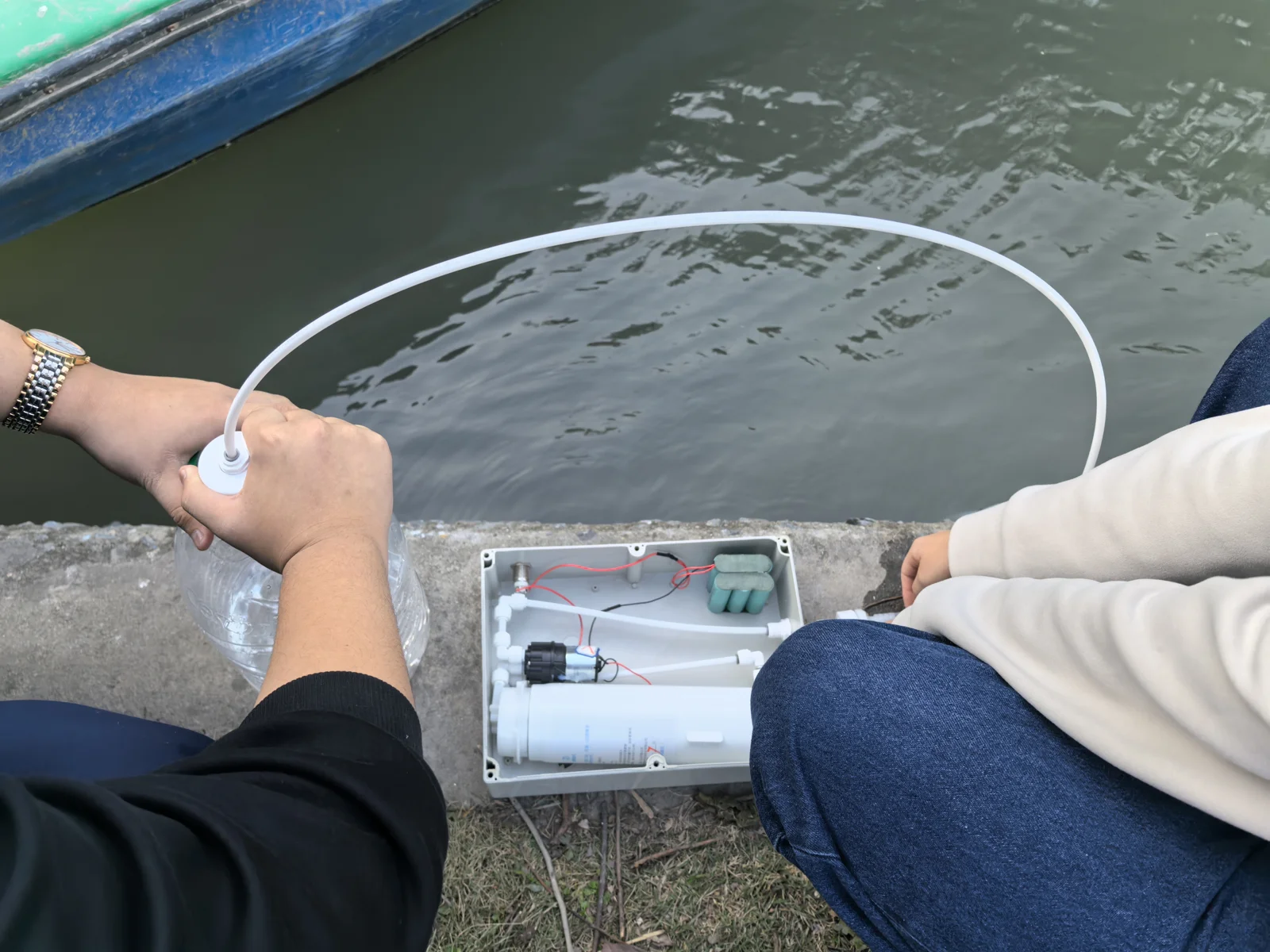
We moved the early prototype from the workbench to a lake-side water source. Handling the intake tubing, positioning the unit, and collecting water helped us work through the actions a user would need to perform. We paid attention to both the treatment mechanism and the practical work of operating it outside a laboratory.
Building through collaboration
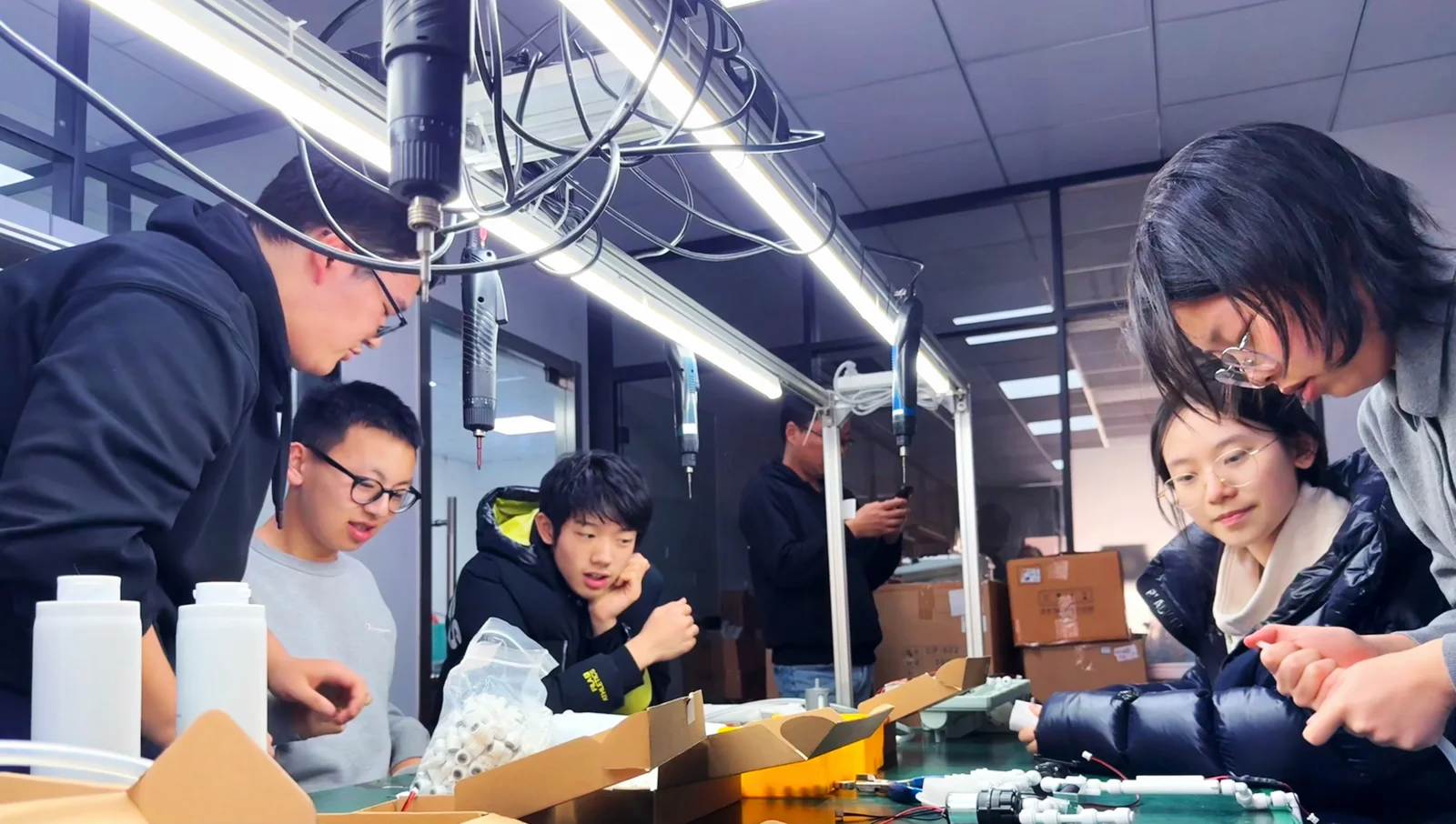
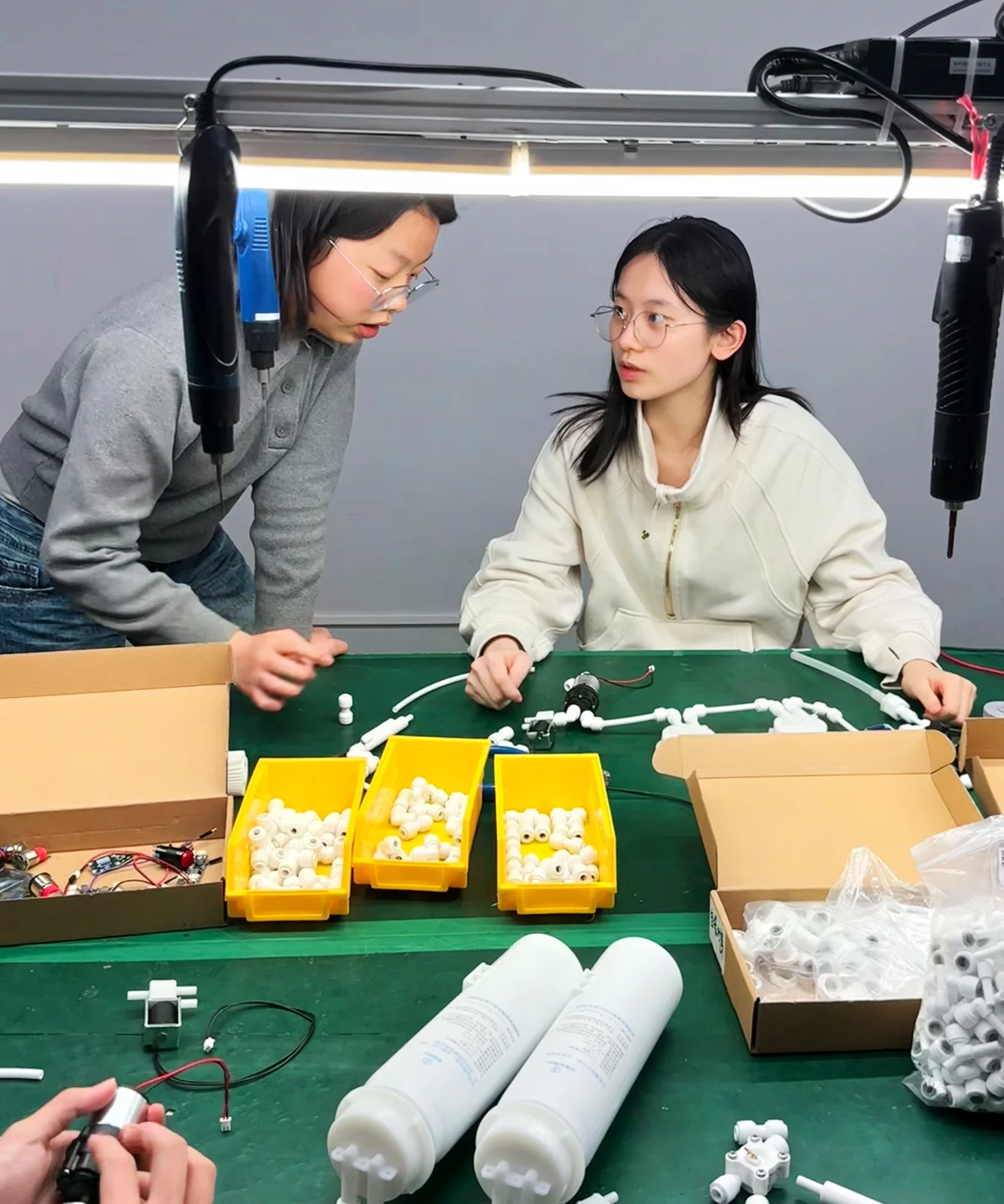
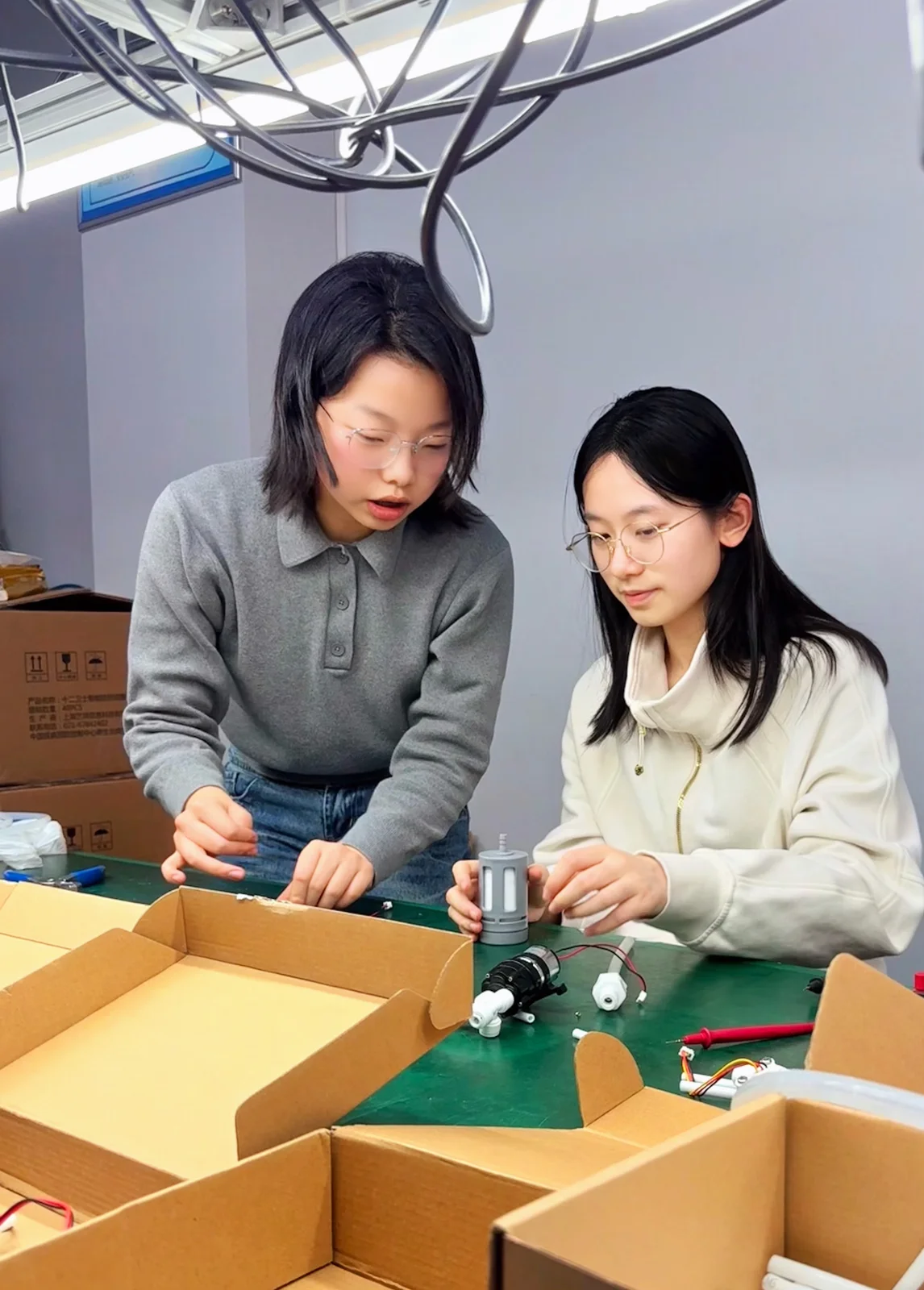
My teammates and I worked around the same bench, reviewing components and assembling the purifier together. Across three generations, we reorganized the water path, improved control-valve coordination, and adjusted the sensing system. With each revision, we worked to maintain flow through muddy water while keeping the equipment practical to use far from technical support.
Preparing and refining the assembly
We continued refining the filter preparation and assembly. Each component choice affected its connections to the rest of the system: a change in one place could alter the space, tubing, or handling required elsewhere. These shared workshop sessions taught me how much patient, practical work sits behind a prototype that appears to be a single finished device.
Bringing the system into one case
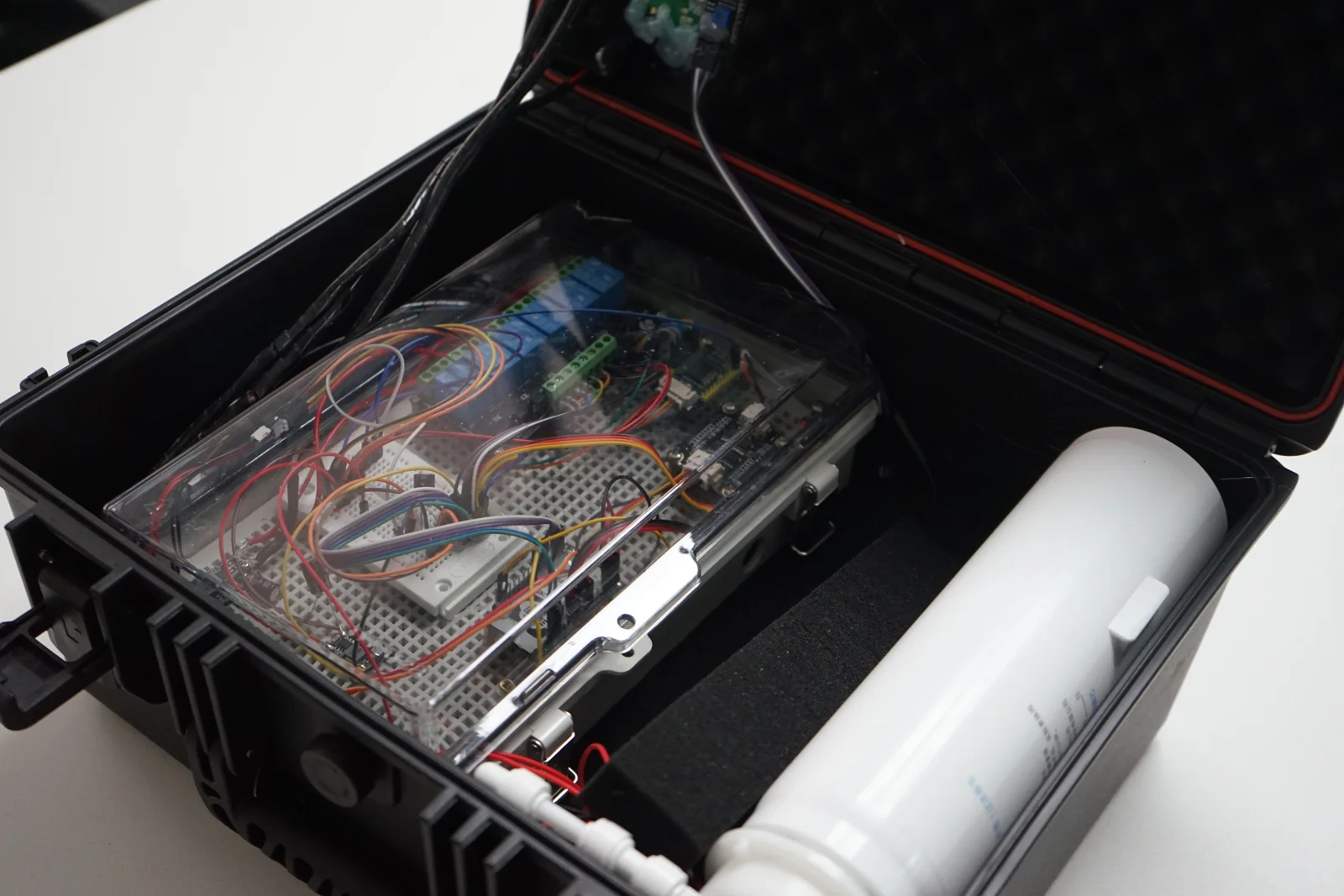
We brought the filter, electronics, and connecting parts into a portable protective case. The integrated engineering sample combined what we had learned from the exposed workbench assemblies with a more coherent physical arrangement. We kept simplifying the structure to make the unit easier to handle and its components easier to accommodate.
Operating the portable sample
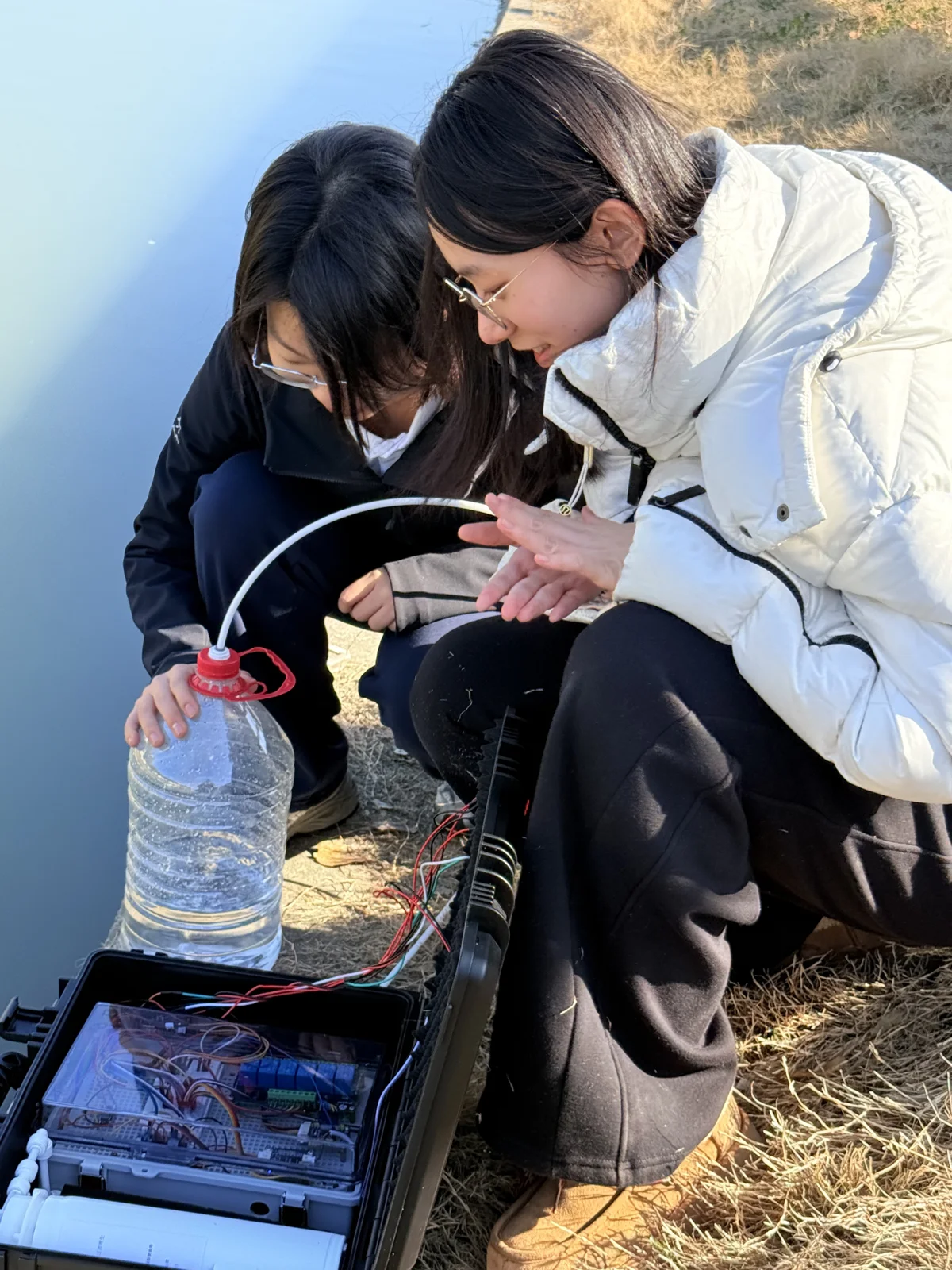
We returned to the lake with the integrated sample, connected the source water to the unit, and observed the collection process. These outdoor trials complemented our laboratory work: we could explore how to position and operate the assembled system around the water source and the people using it.
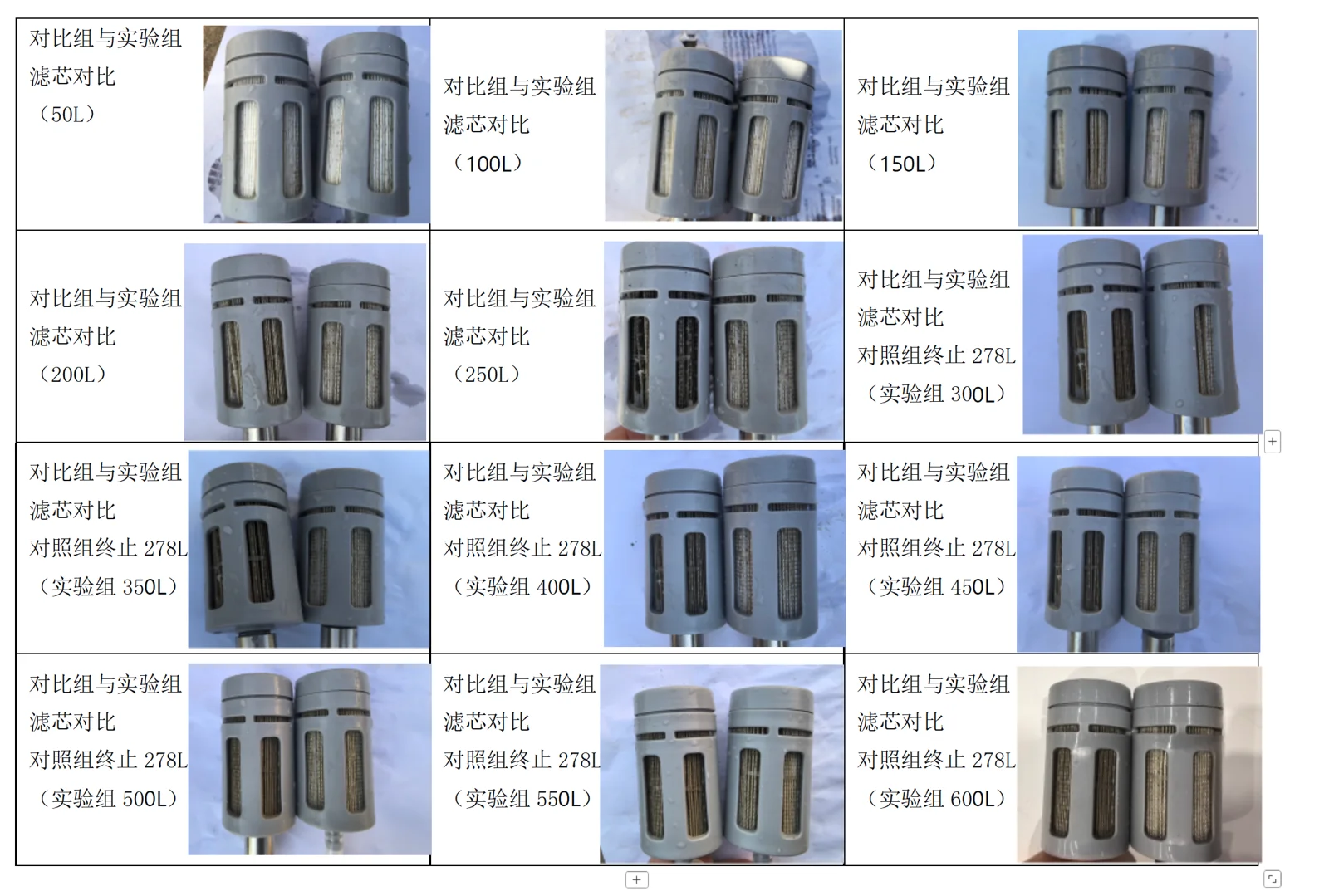
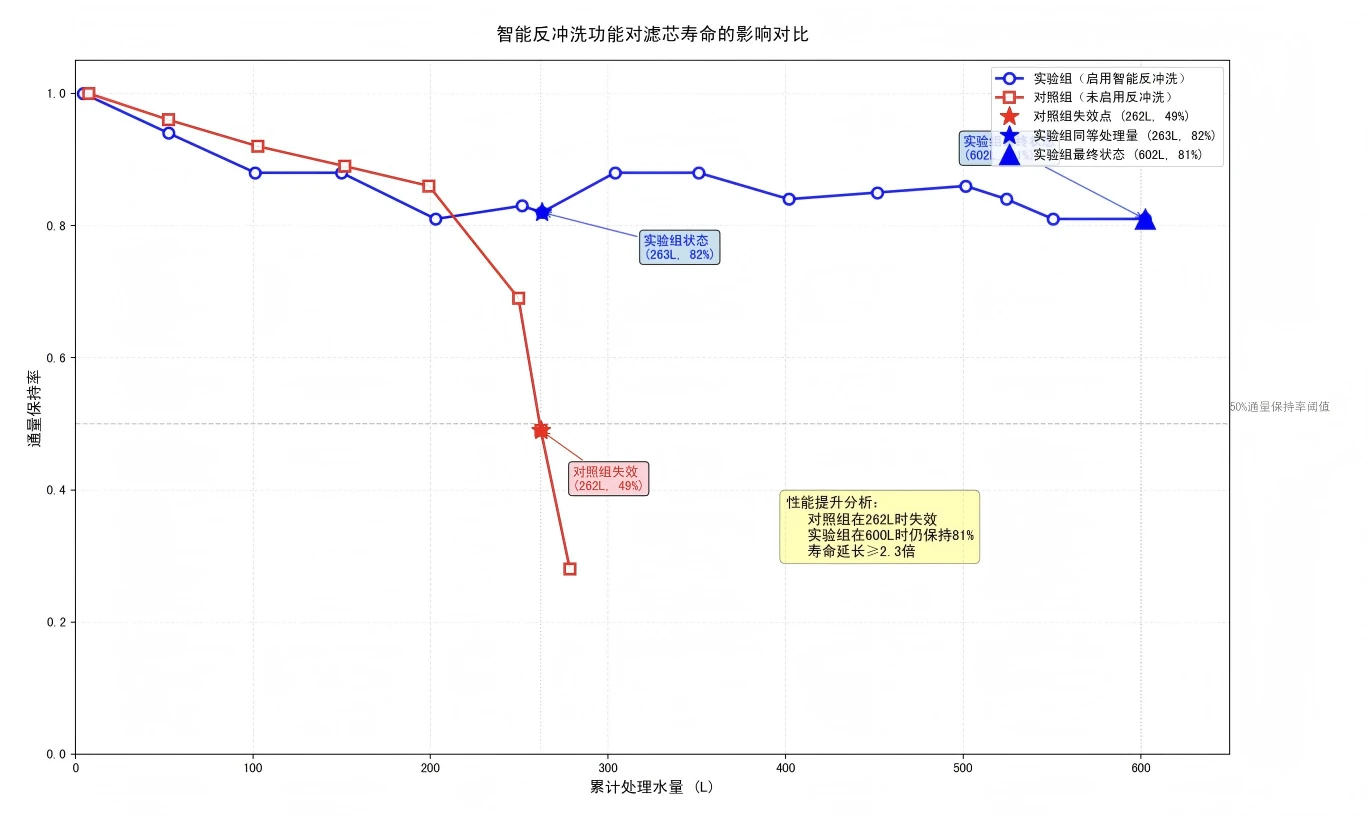
Performance within reach
Testing of our third-generation engineering sample demonstrated 99% turbidity removal, 99.99% E. coli removal, and a 2.3-fold increase in filter lifespan. Our filter records document the tests behind that development process. By simplifying the structure and selecting locally available components, we also reduced material cost from roughly RMB 1,800 to RMB 800–1,200 per unit, making affordability part of our engineering brief.
04 / Deployment
We are bringing our purifier beyond the lab.
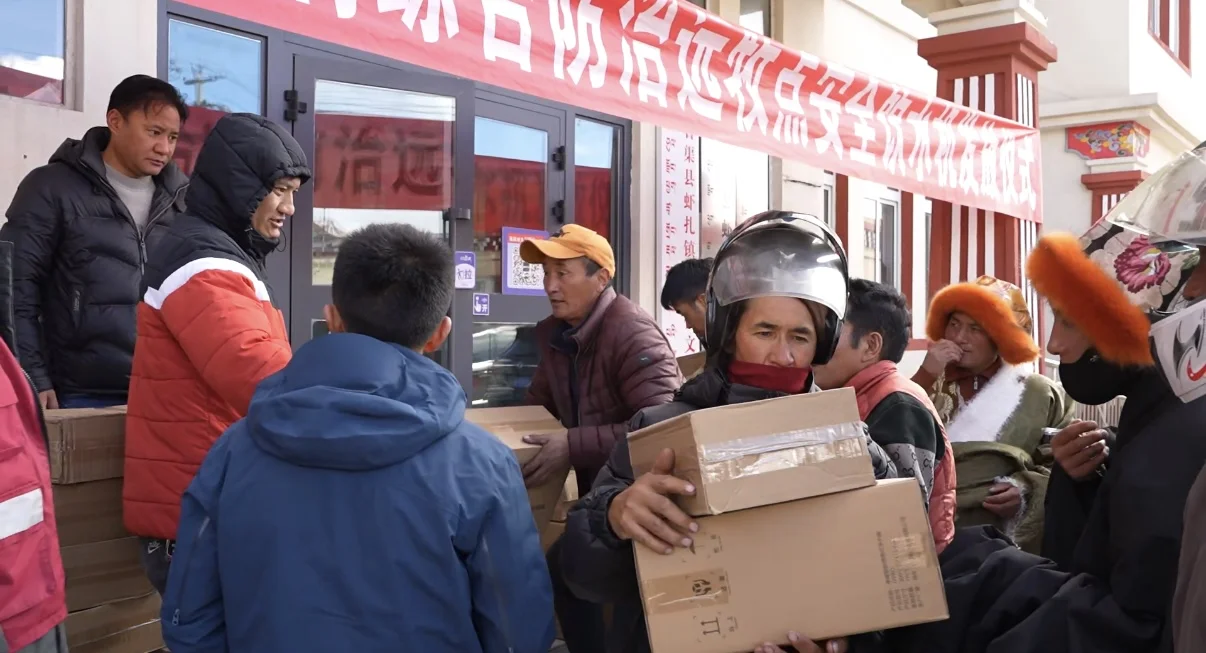
Preparing a local delivery network
Our project has reached Shiqu County in Sichuan, where we are connecting the purifier with local public-health partners and residents. We plan to reach mountain communities elsewhere in Sichuan, as well as Qinghai and Gansu, next.
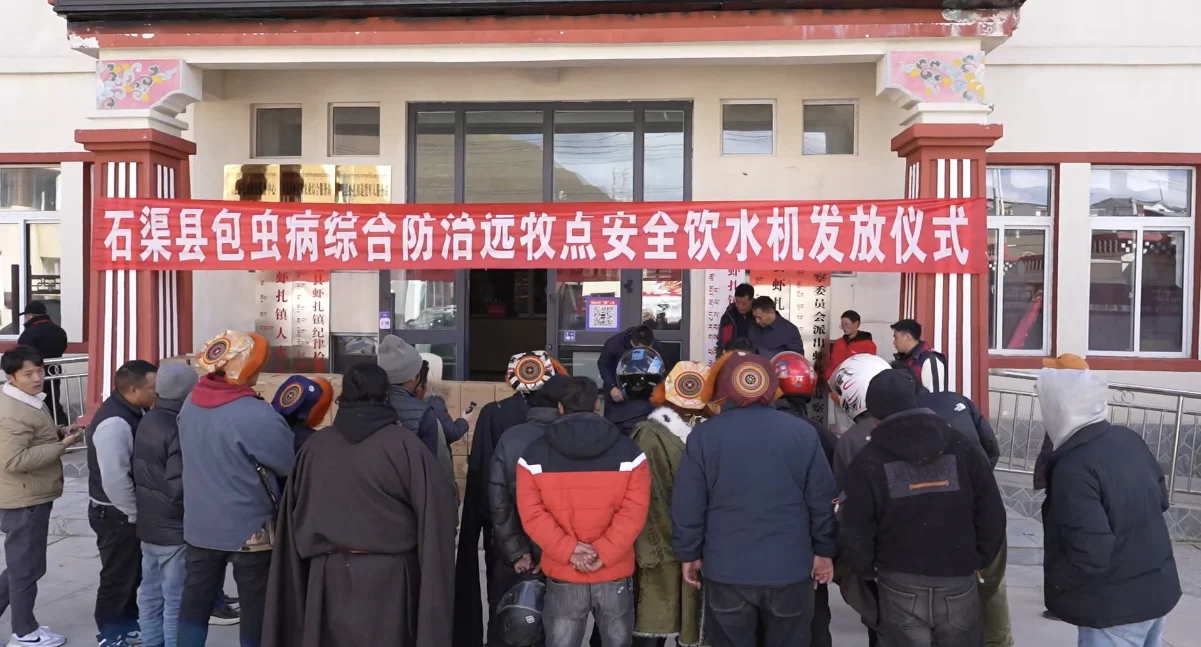
Reaching residents through local partners
We follow a B2G public-health model, working through local organizations that understand community needs and can identify suitable placement sites. Bringing these institutions and residents together gives us a route into remote households through relationships that extend beyond an individual equipment handover.
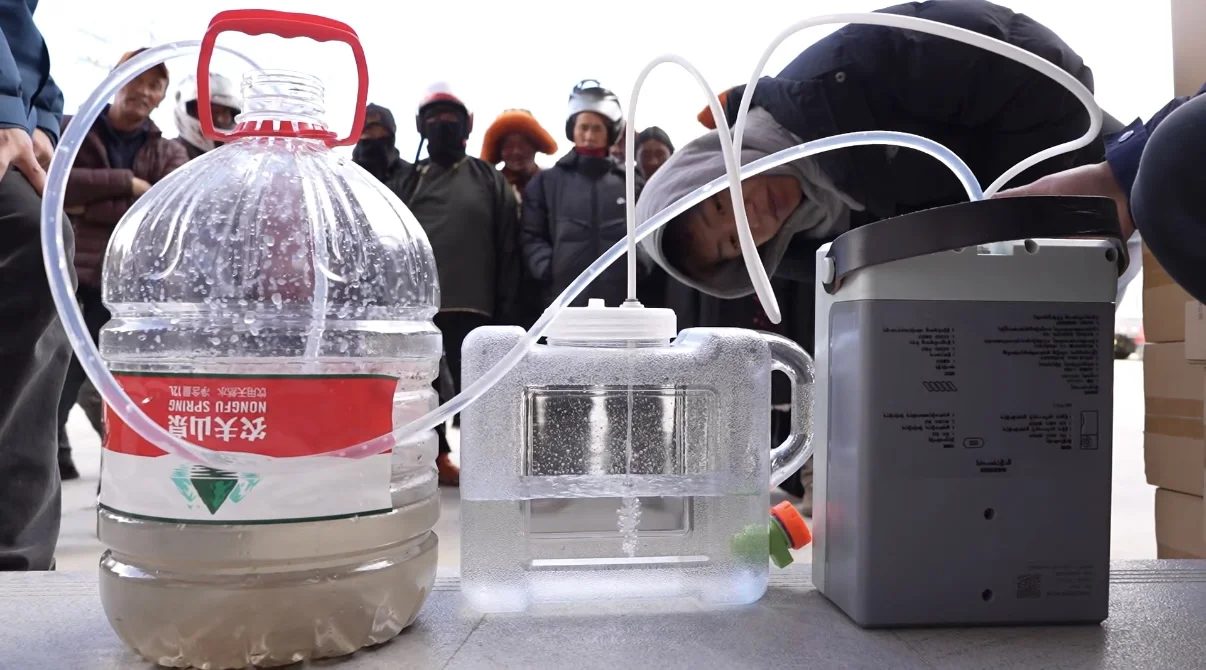
Showing the treatment process
At community demonstrations, we place the purifier, water containers, and tubing where residents can follow the path from intake to collection. Showing the equipment in operation lets us connect a technical explanation with the practical actions needed to use it.
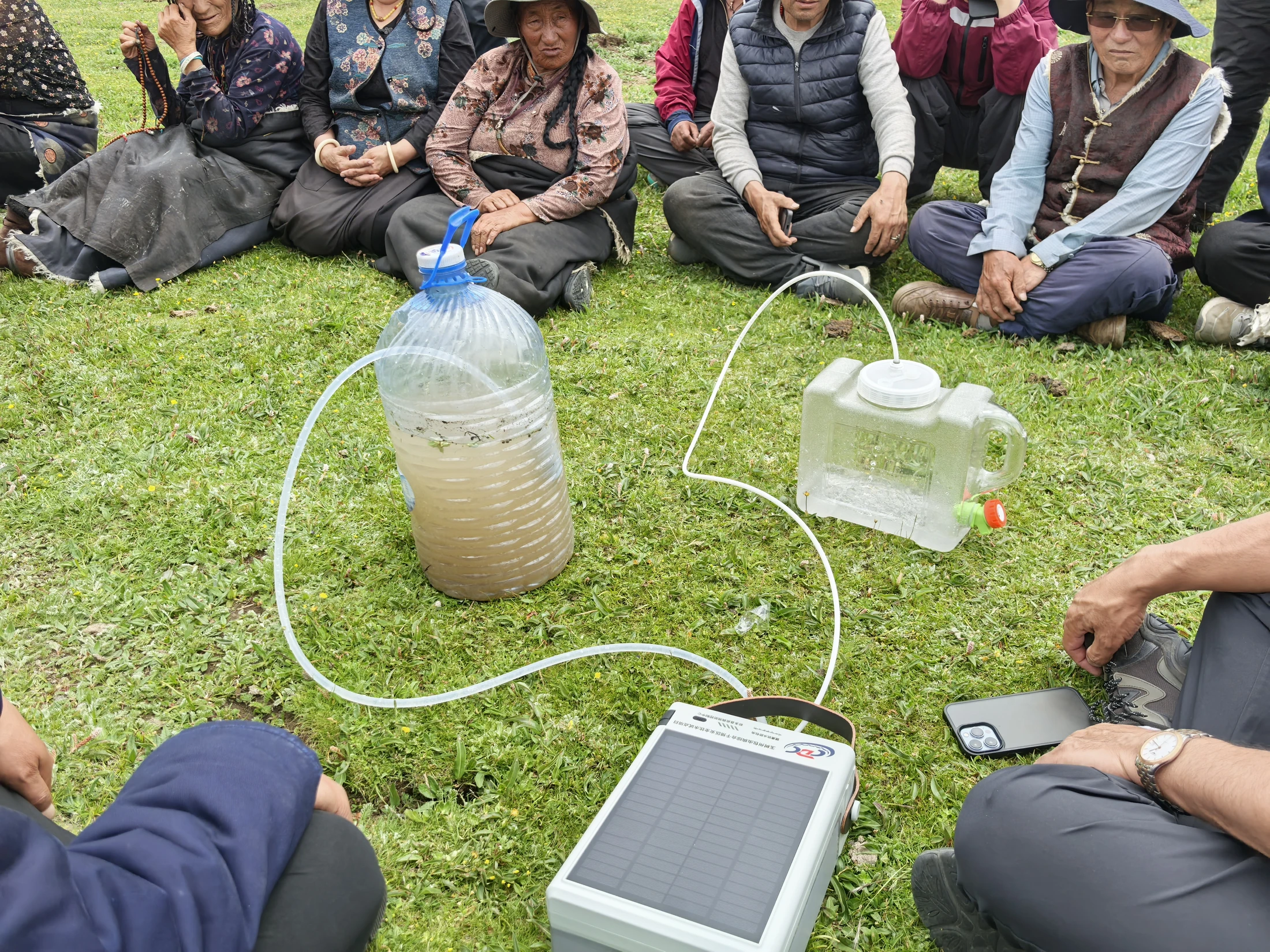
Examining the equipment together
We invite residents to examine the purifier directly. Seeing its scale and arrangement in person gives them a concrete reference as we explain the design and its purpose.
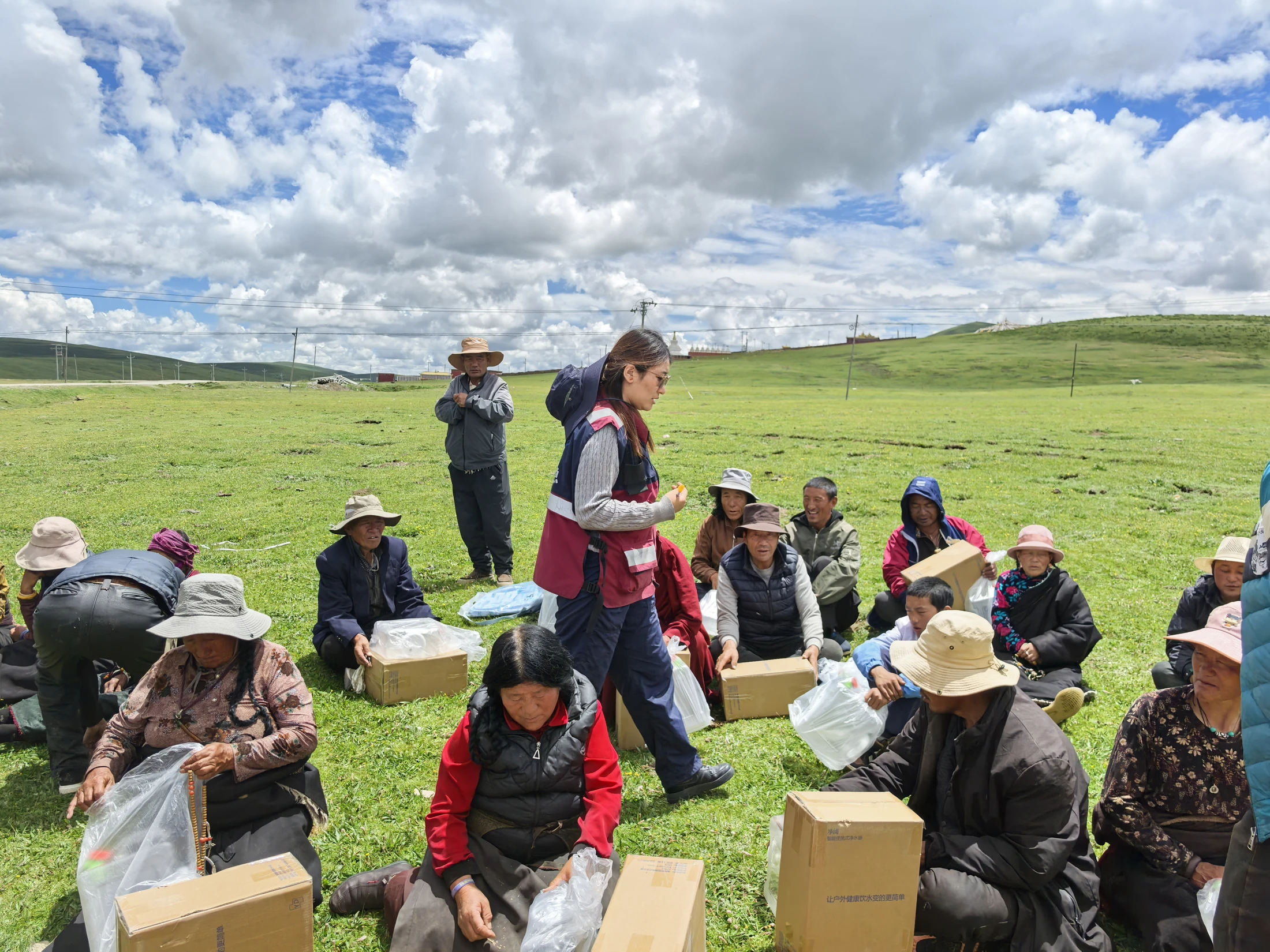
Explaining operation and answering questions
We demonstrate how to connect the containers and tubing, operate the purifier, and collect treated water. Residents can ask questions around the equipment, making our handover a practical introduction to everyday use.
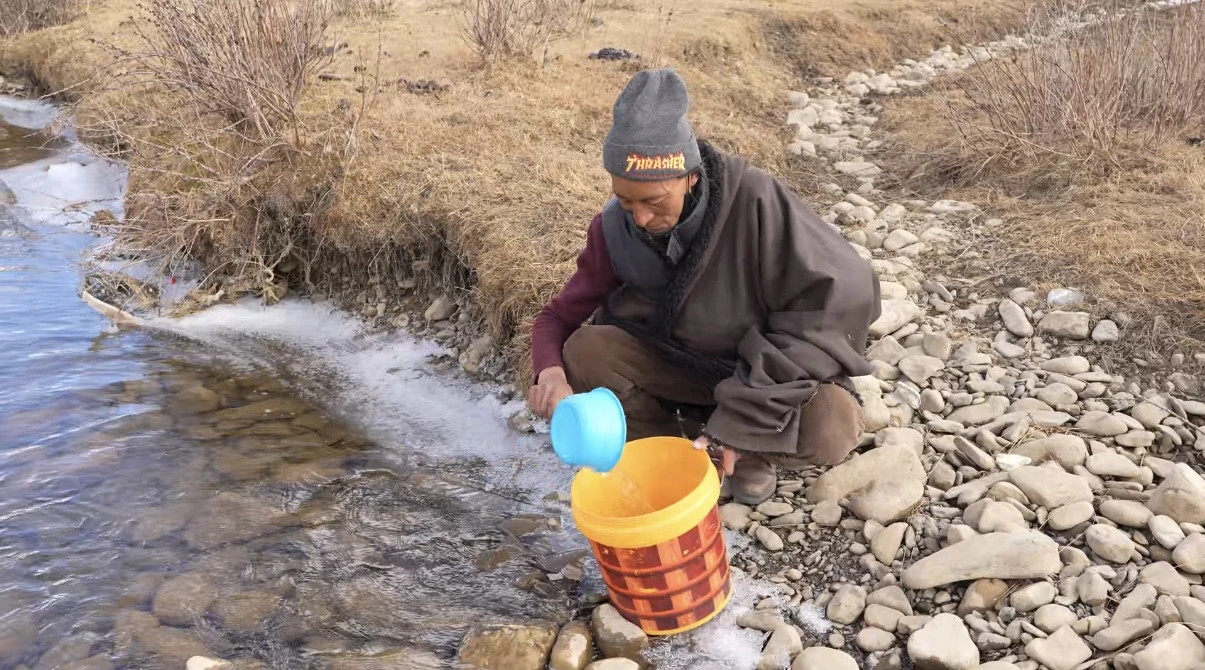
Starting with the household water source
We designed the purifier around the way pastoral families already collect and store water from nearby streams. Our aim is to meet treatment requirements while fitting the realities of outdoor sources and traditional pastoral life.
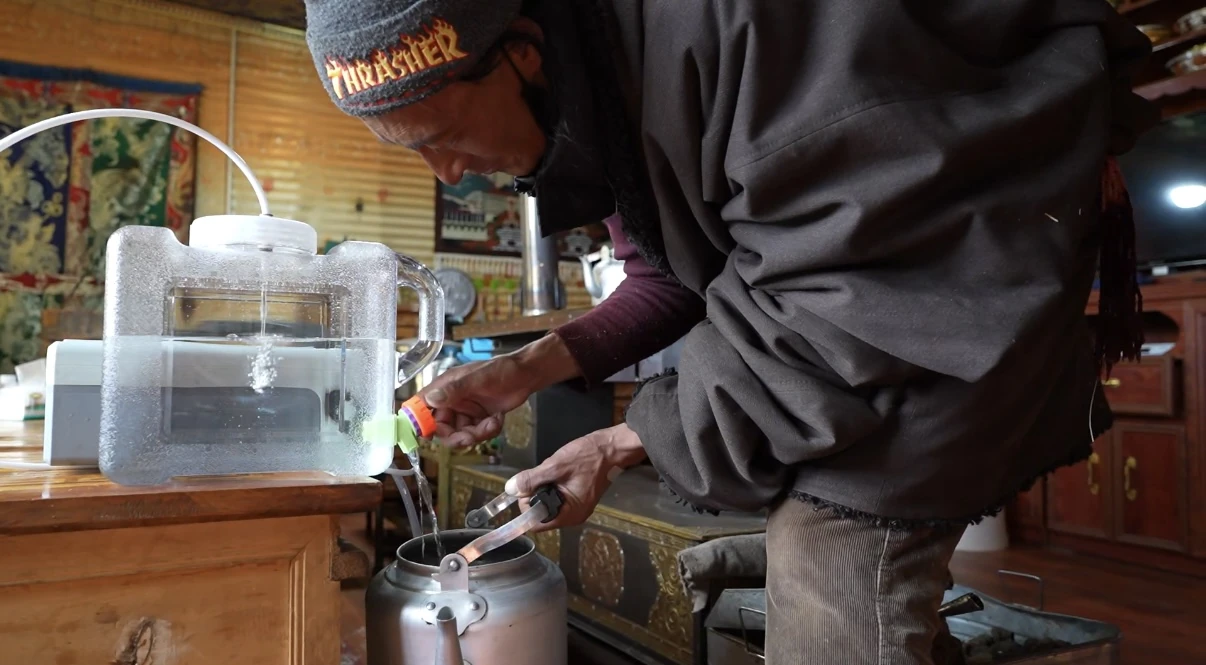
Safe water in daily life
We want safer water to become part of everyday life in pastoral households. Simple operation supports frequent use at home, while reliable treatment addresses a persistent drinking-water challenge.
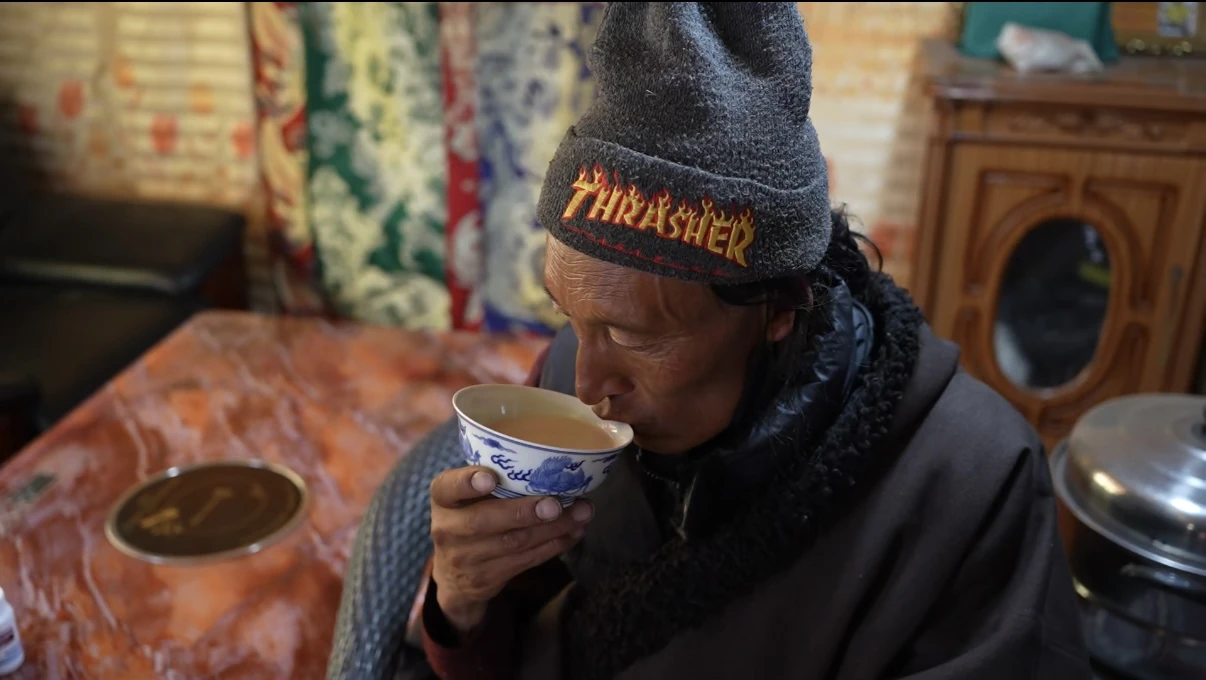
Keeping the system running
We continue to improve the device and support its maintenance so it can keep working over time. Our off-grid system could also serve emergency response and remote scientific expeditions, but our current focus remains pastoral communities and long-term support for drinking-water safety.
05 / Recognition
From China champion to Conrad global champion.
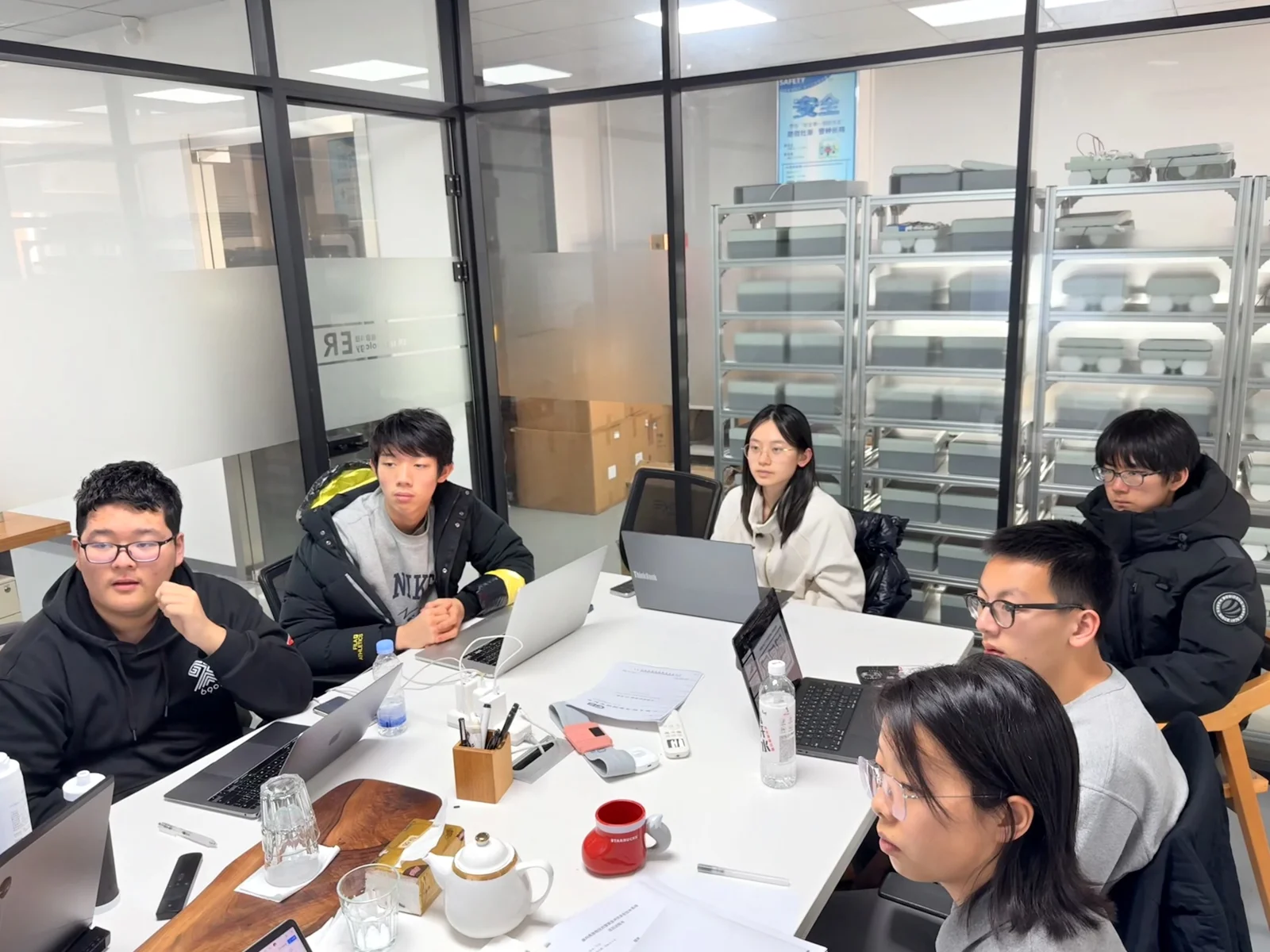
Preparing the story together
My teammates and I gathered around laptops to review material and rehearse before taking the stage. We needed to present our water purification project as a connected argument: a problem identified through service, evidence gathered in the field, an engineering response, and a practical route to use. We worked to bring those strands together for an audience unfamiliar with the project.
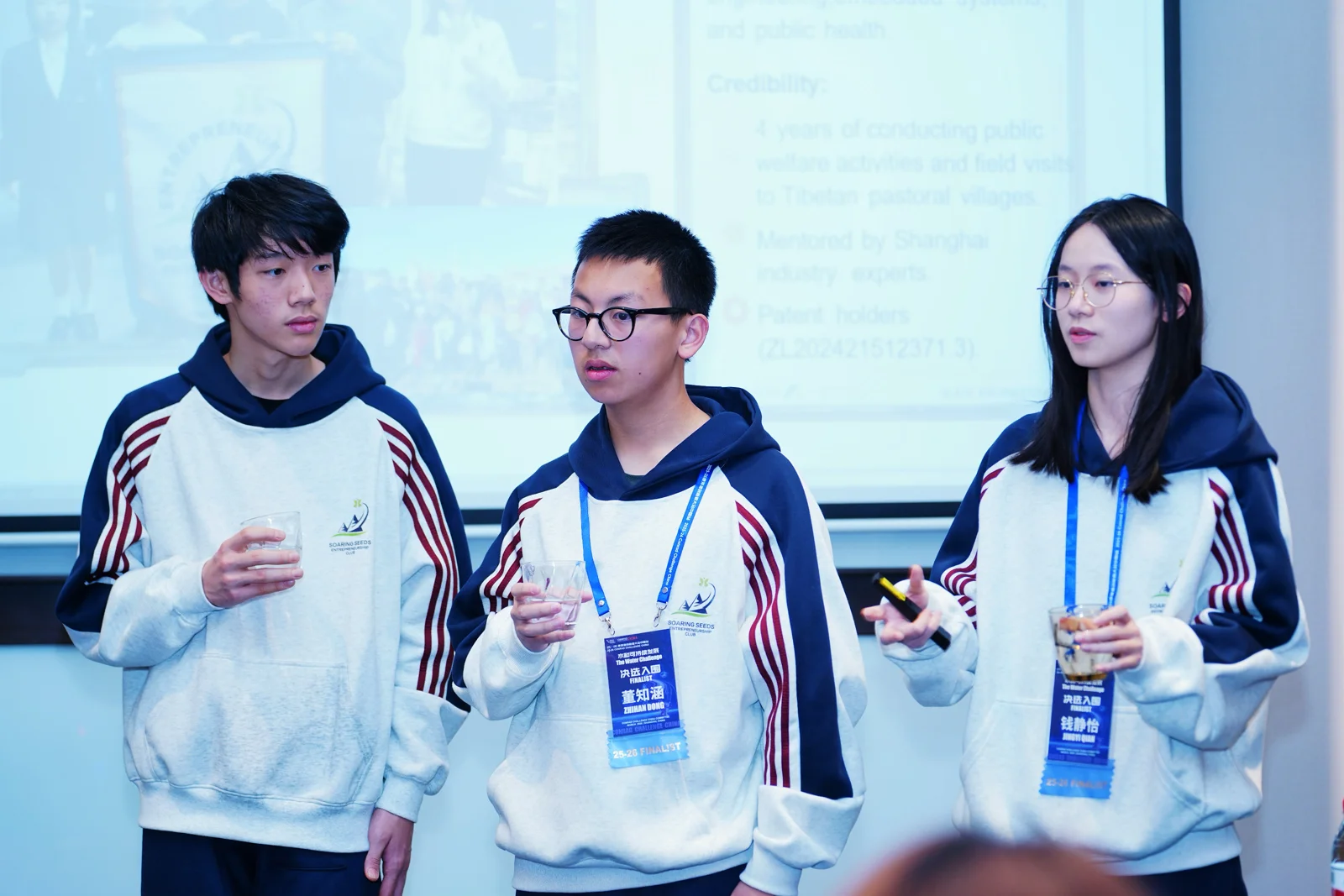
Presenting the national entry
At the national presentation, we explained how repeated public-service visits, field and laboratory evidence, and three rounds of engineering development shaped our entry. We wanted the connection between these stages to be clear, showing why our design decisions followed from the conditions we encountered in pastoral communities.
Winning the China Water Challenge
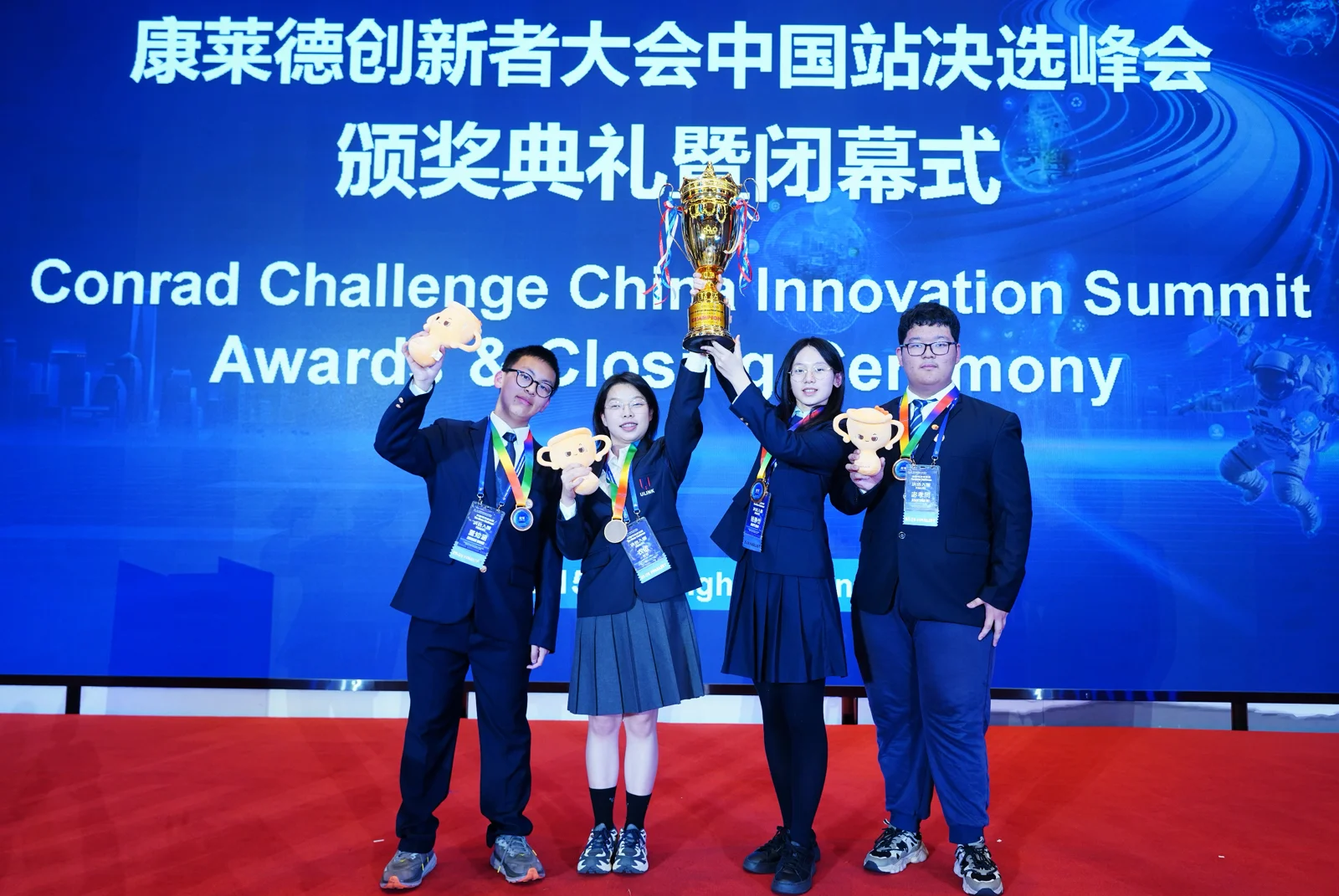
We won the Water Challenge at the Conrad Challenge China finals. The awards ceremony marked a shared milestone after our preparation and presentation work. That recognition advanced our project to the global round, where we would explain the same engineering story to an international audience.
From the national stage to a global defense
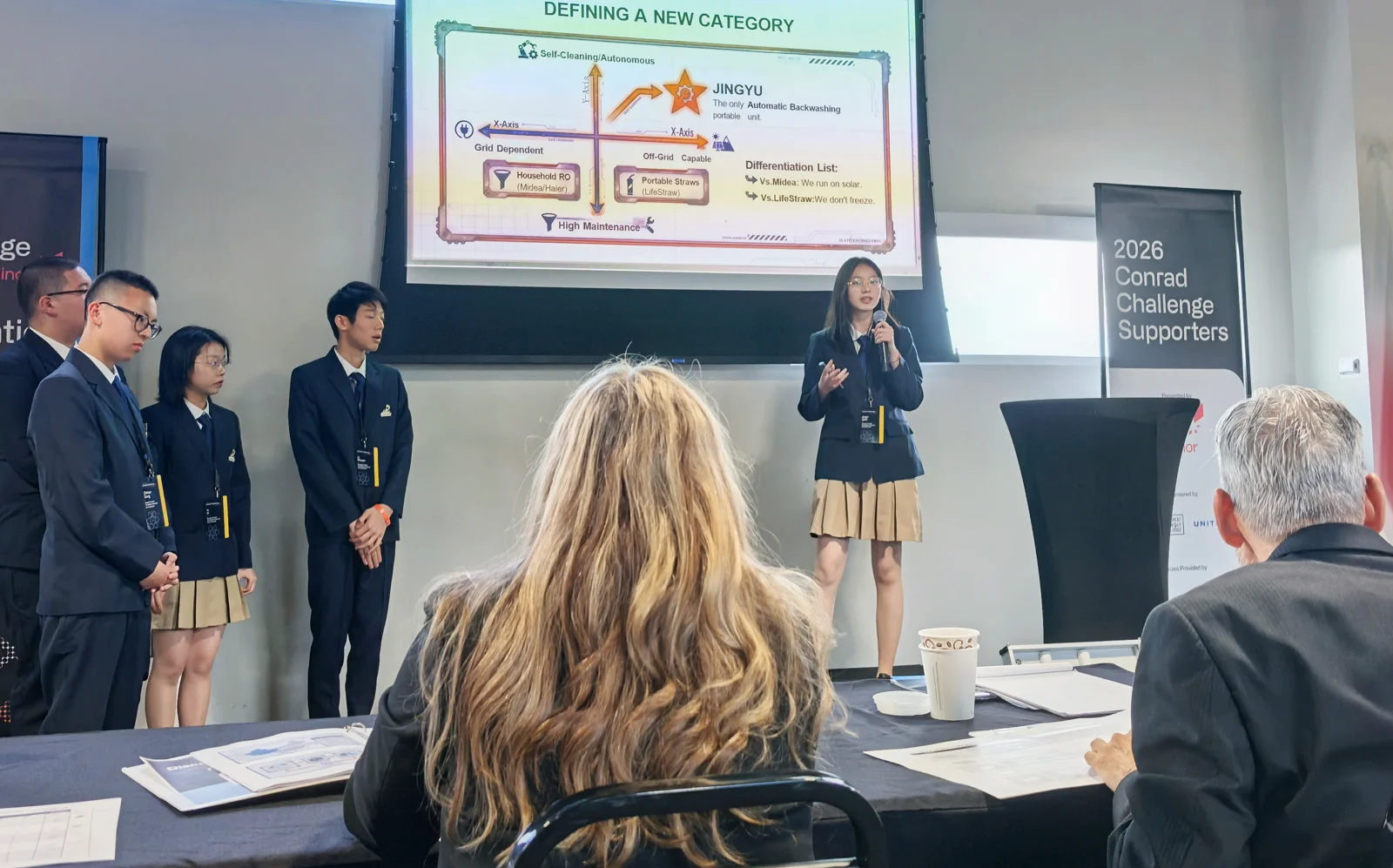
At the global defense, my teammates and I presented both how our purifier worked and why its design mattered for pastoral families. We began with the field problem, then explained the technology, its practical constraints, and our proposed deployment pathway to the international judges.
Bringing the prototype to the showcase
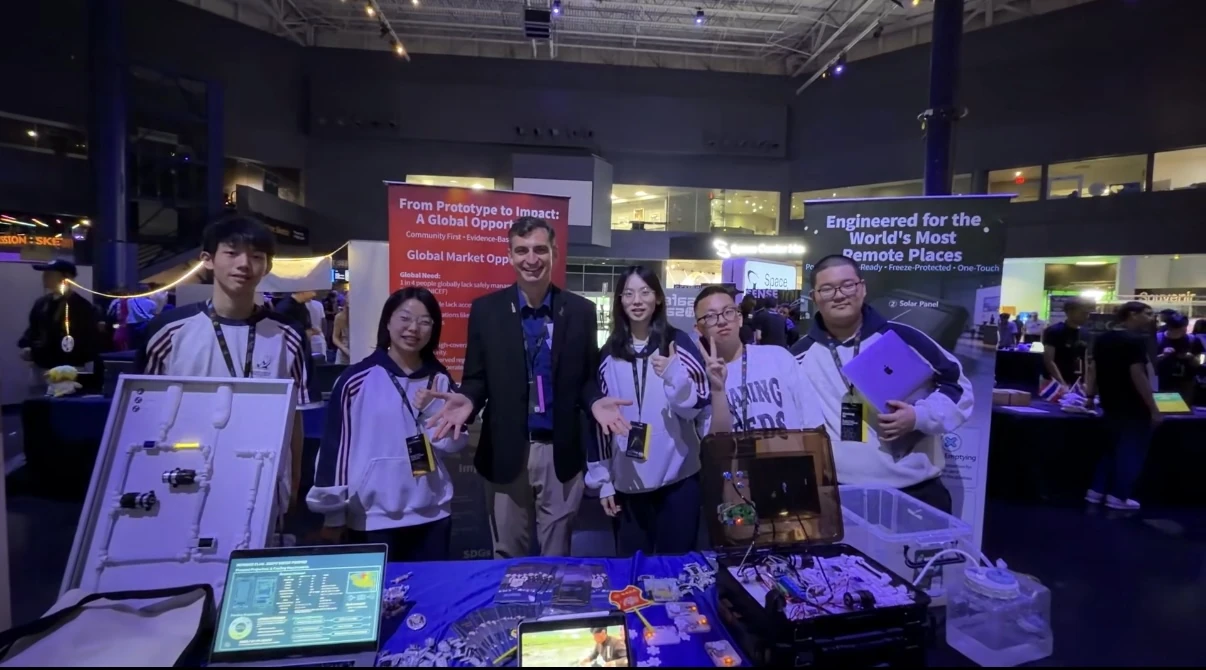
At the global exhibition, we displayed the physical prototype alongside our project materials. Having the equipment at the booth gave us a shared reference for discussion and made room for closer exchanges about individual parts of the project beyond the formal defense.
Explaining the purifier and its purpose
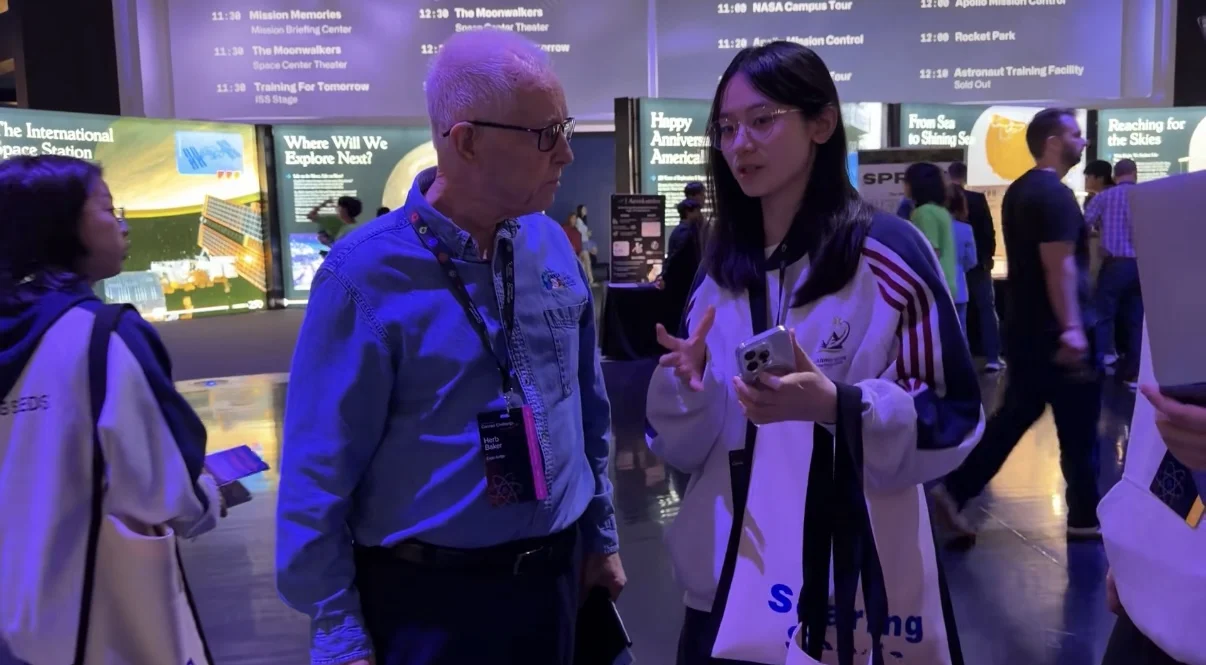
In our showcase conversations, we brought the technical system and our fieldwork story together. We explained the problem the purifier addresses and the conditions that shaped its design, using the prototype and visual materials to connect the exposed water sources with the portable treatment system we developed.
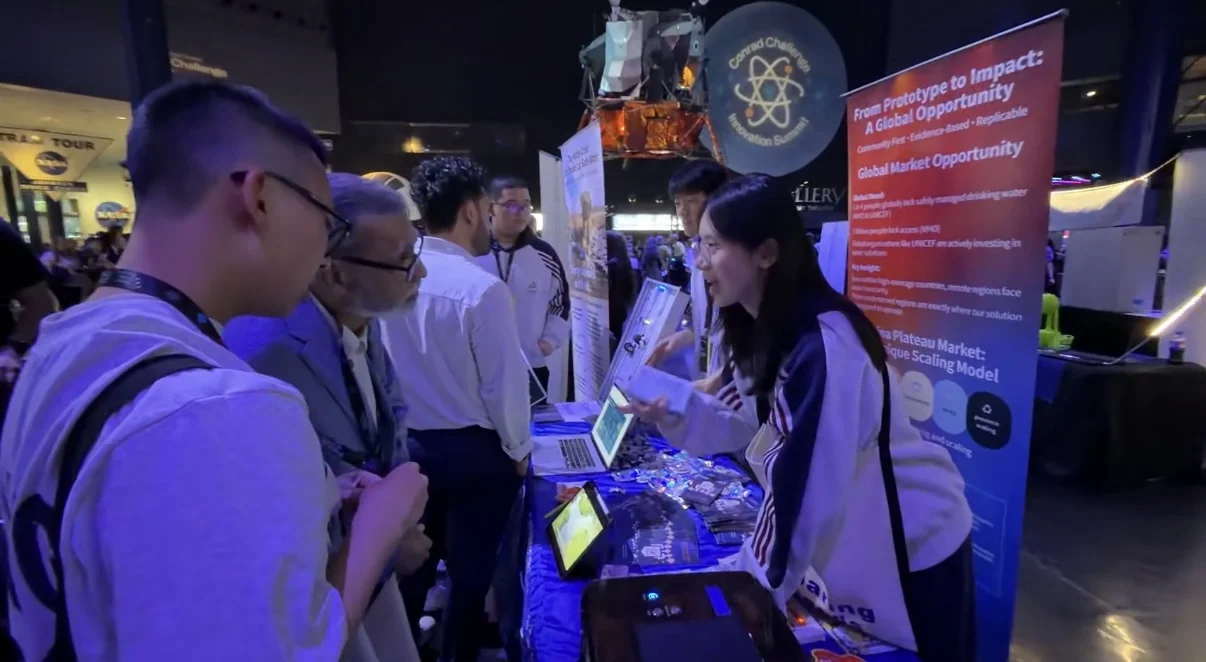
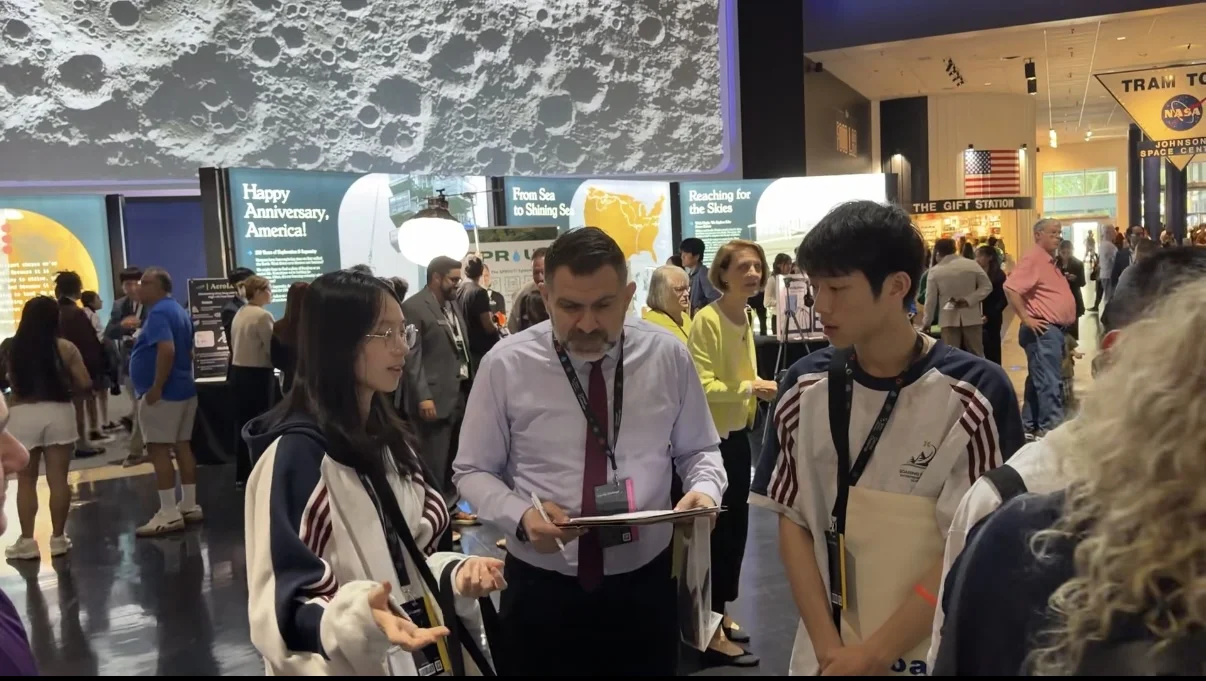
Making room for discussion
Speaking with visitors in smaller groups called for a different pace from our formal presentation. We could move between the design, its practical use, and the evidence behind it, with the equipment as a concrete reference throughout the conversation.
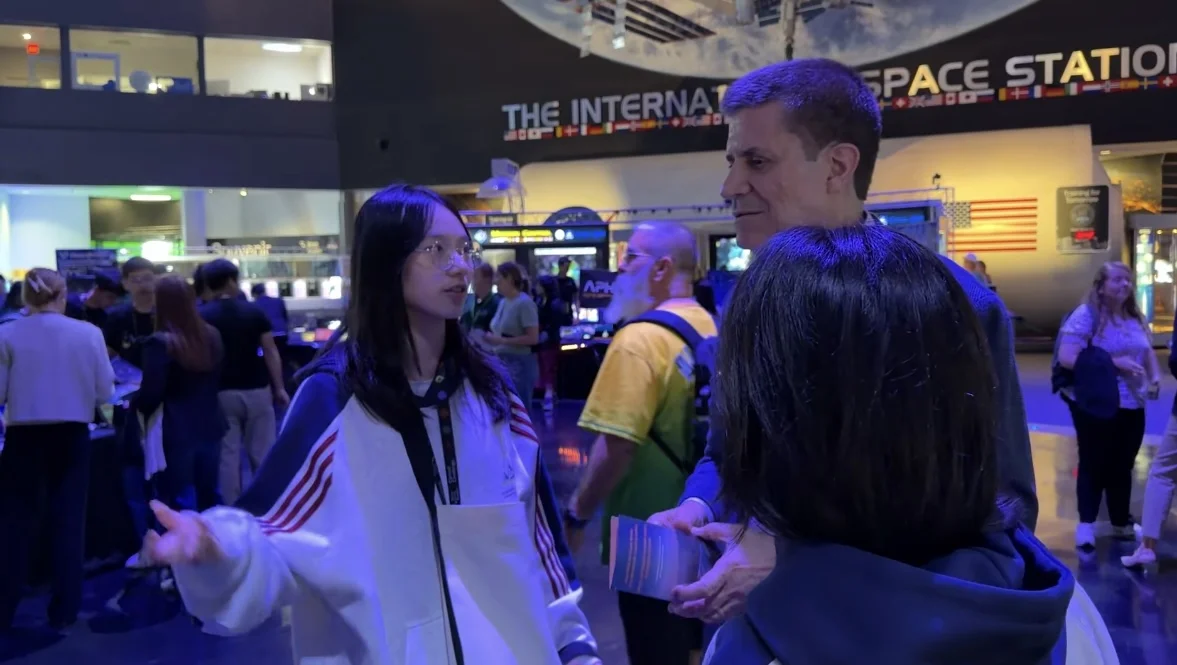
Communicating design decisions
These exchanges taught me to connect individual components with their purpose while keeping sight of the people our purifier serves. Moving between those details and the wider fieldwork context helped us explain the project as both an engineering design and a response to a community need.
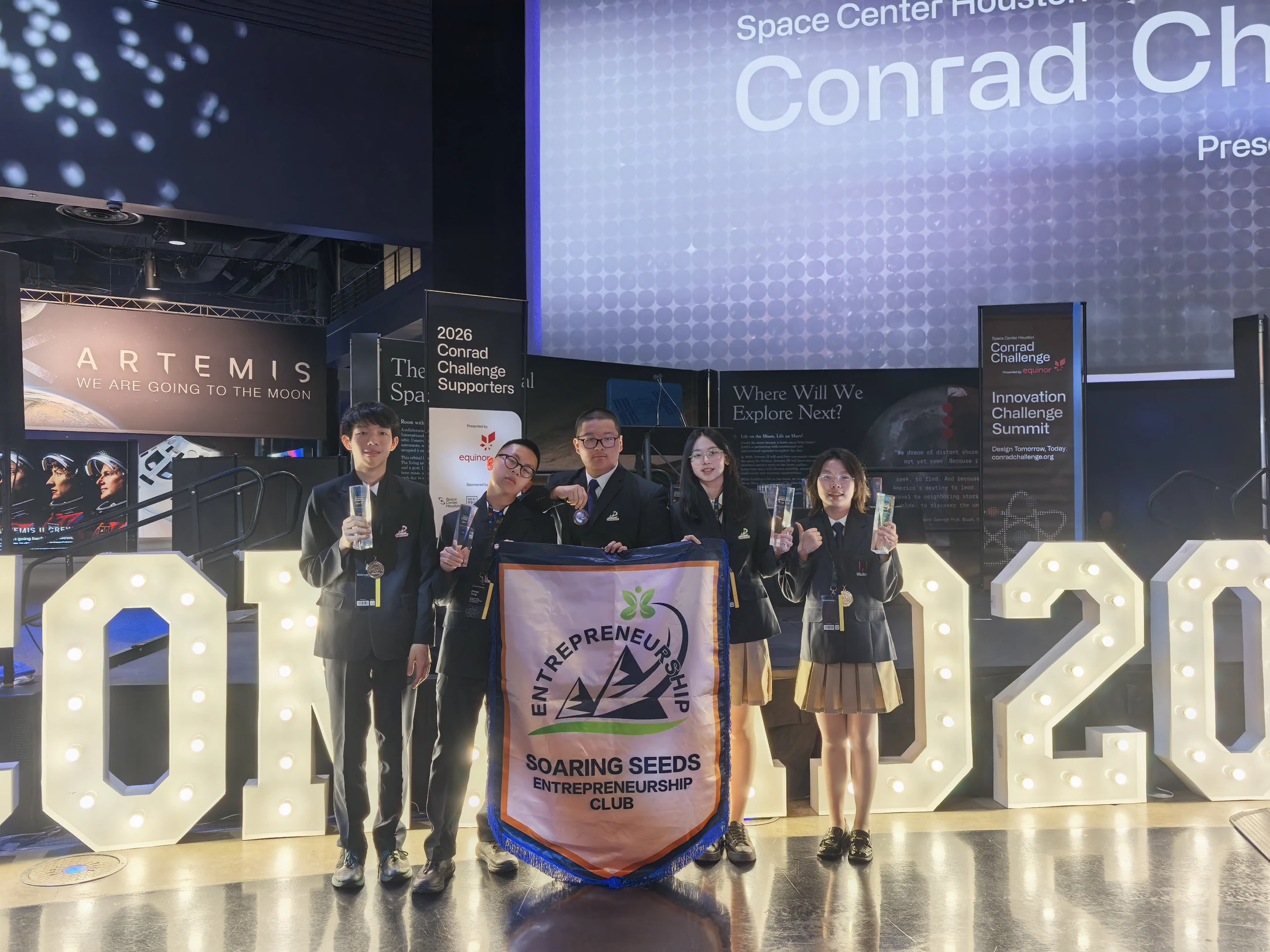
A shared team milestone
Holding our team flag together reminded me of the collective effort behind the global entry: we had prepared, built, tested, and explained the project together. Recognition gave us an opportunity to bring attention and potential partners back to the work, while the original community need continued to define our purpose.
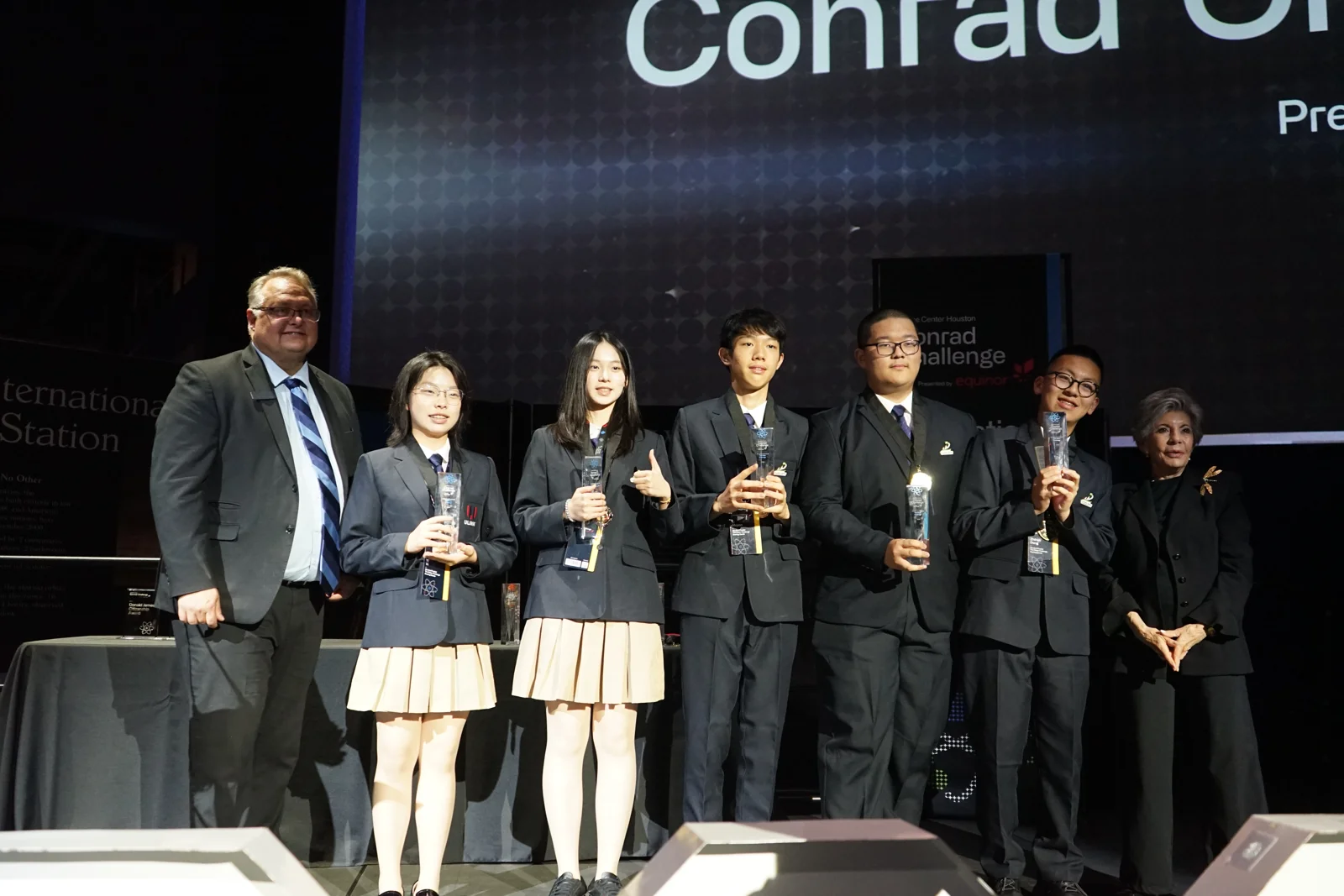
Recognition and the next responsibility
Our water purification project was named Conrad Challenge Global Champion, and I received the Pete Conrad Scholar distinction. Beyond the competition, our utility-model patent has been authorized and our invention patent has entered substantive examination in China. These mark distinct steps in recognition and design protection for our work.
06 / Boston study visit
We kept learning beyond the award in Boston.
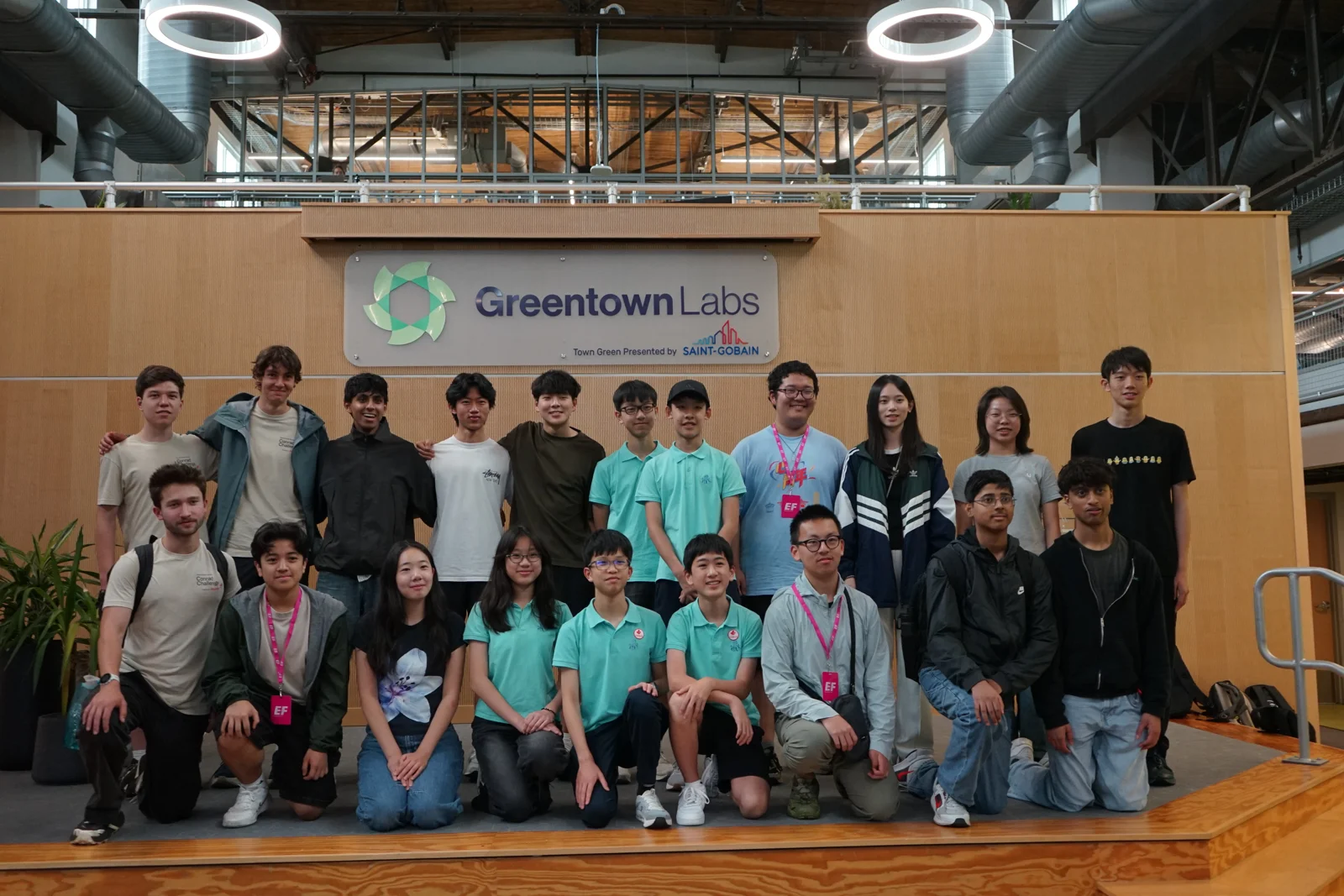
From recognition to Greentown Labs
After receiving recognition in the Conrad Challenge, we were invited by a competition partner to Boston for a study and exchange program. At Greentown Labs, an innovation incubator, we explored approaches to commercializing social innovation projects and sustaining their operations.
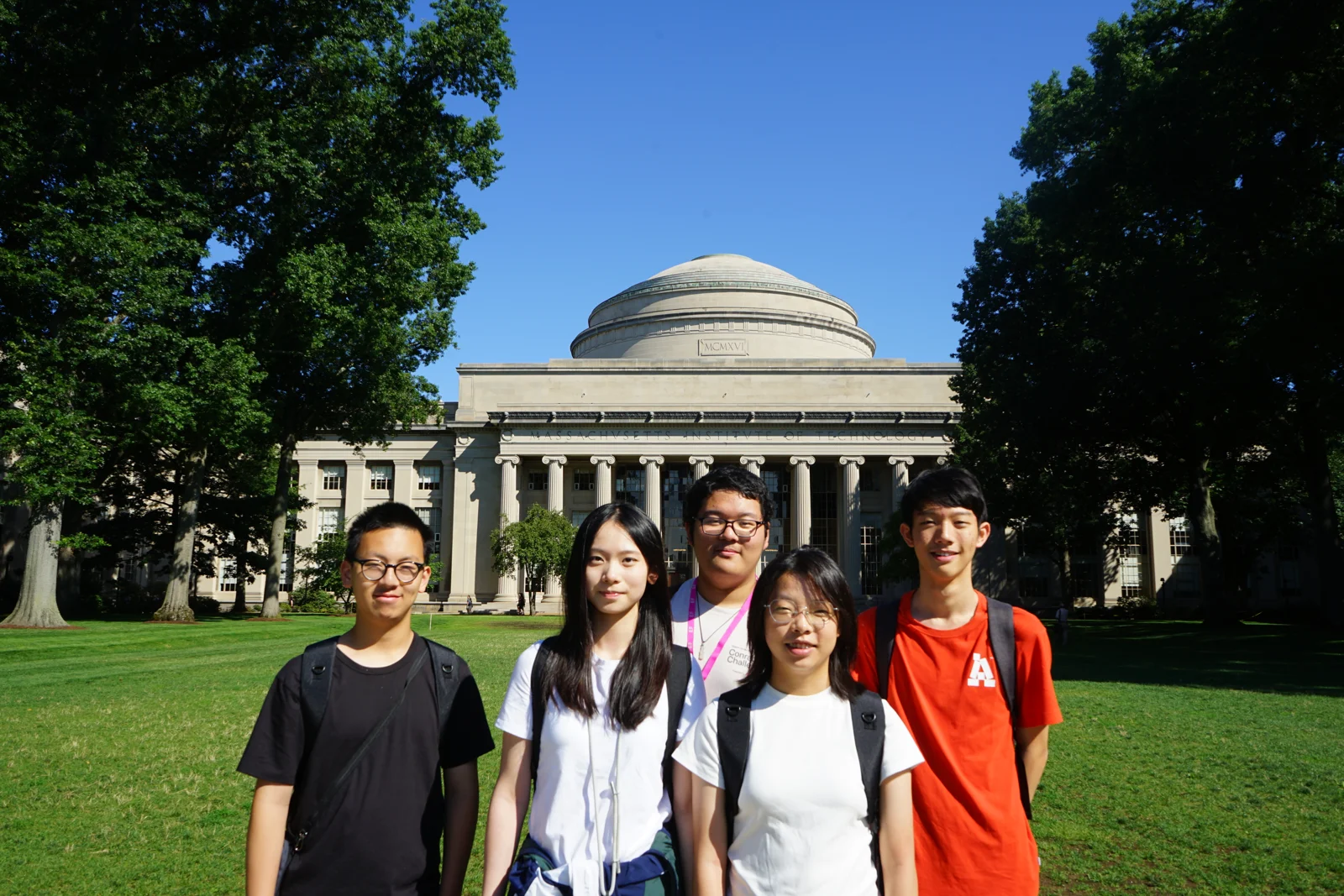
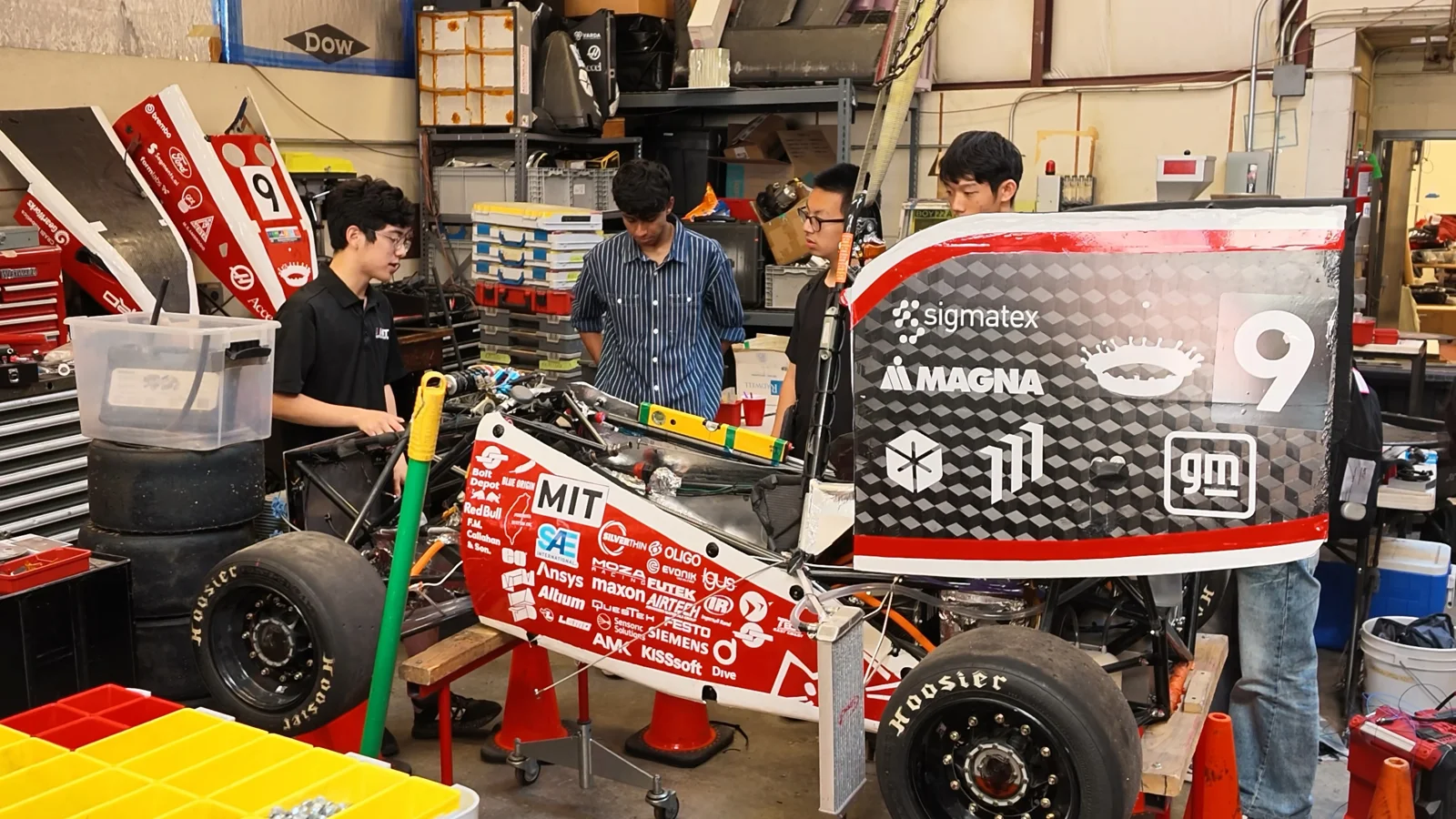
Visiting MIT and Harvard
We visited MIT and Harvard, extending our study program into university research settings and learning about ongoing scientific work firsthand.
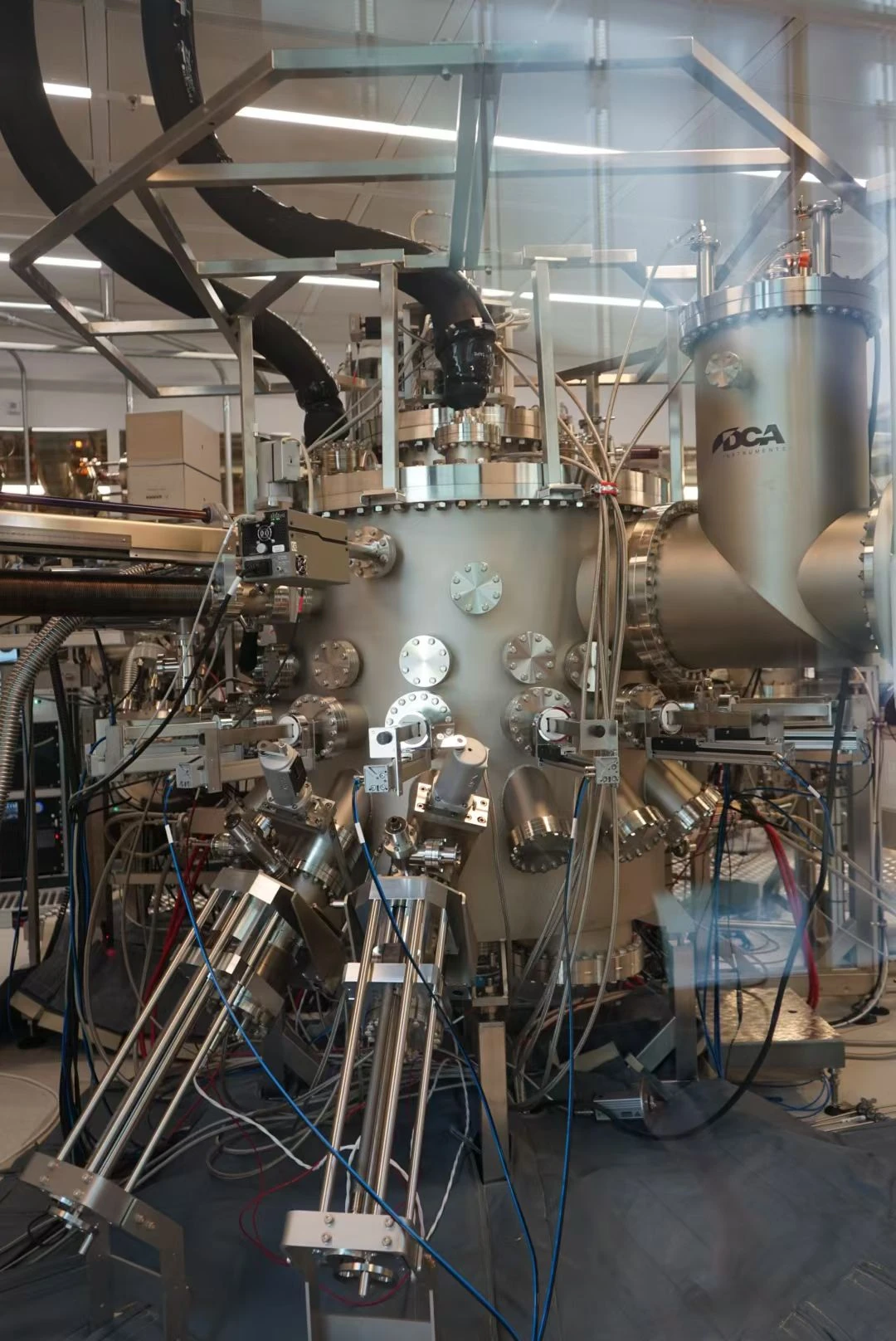
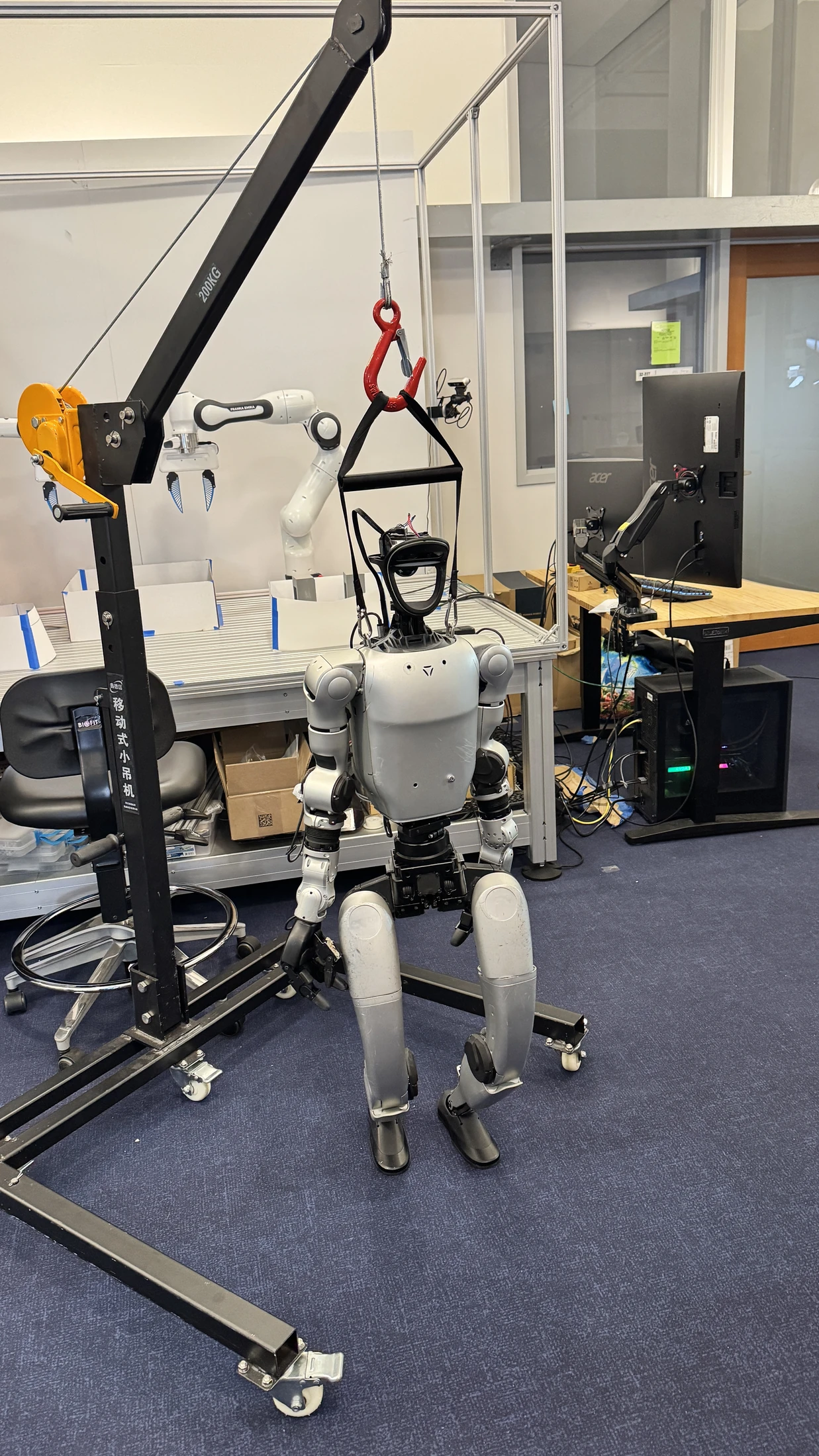
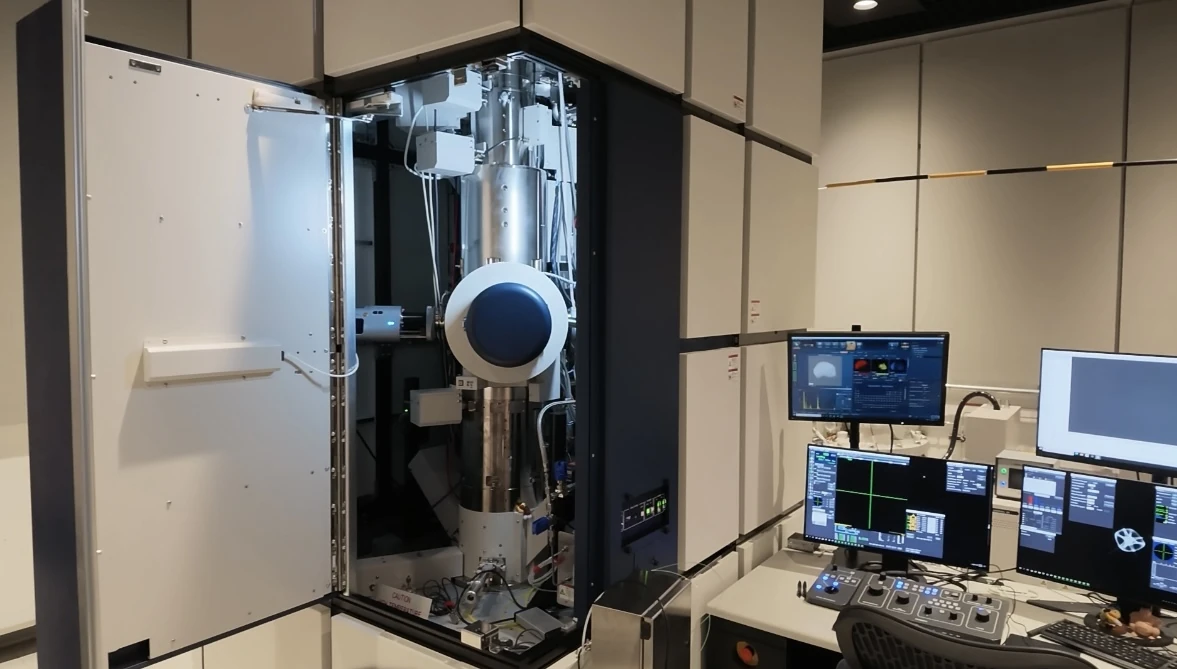
Inside the research laboratories
During laboratory visits, we saw research equipment, nanotechnology facilities, and robotics up close. These different experimental settings broadened my view of how engineering ideas are investigated and developed.
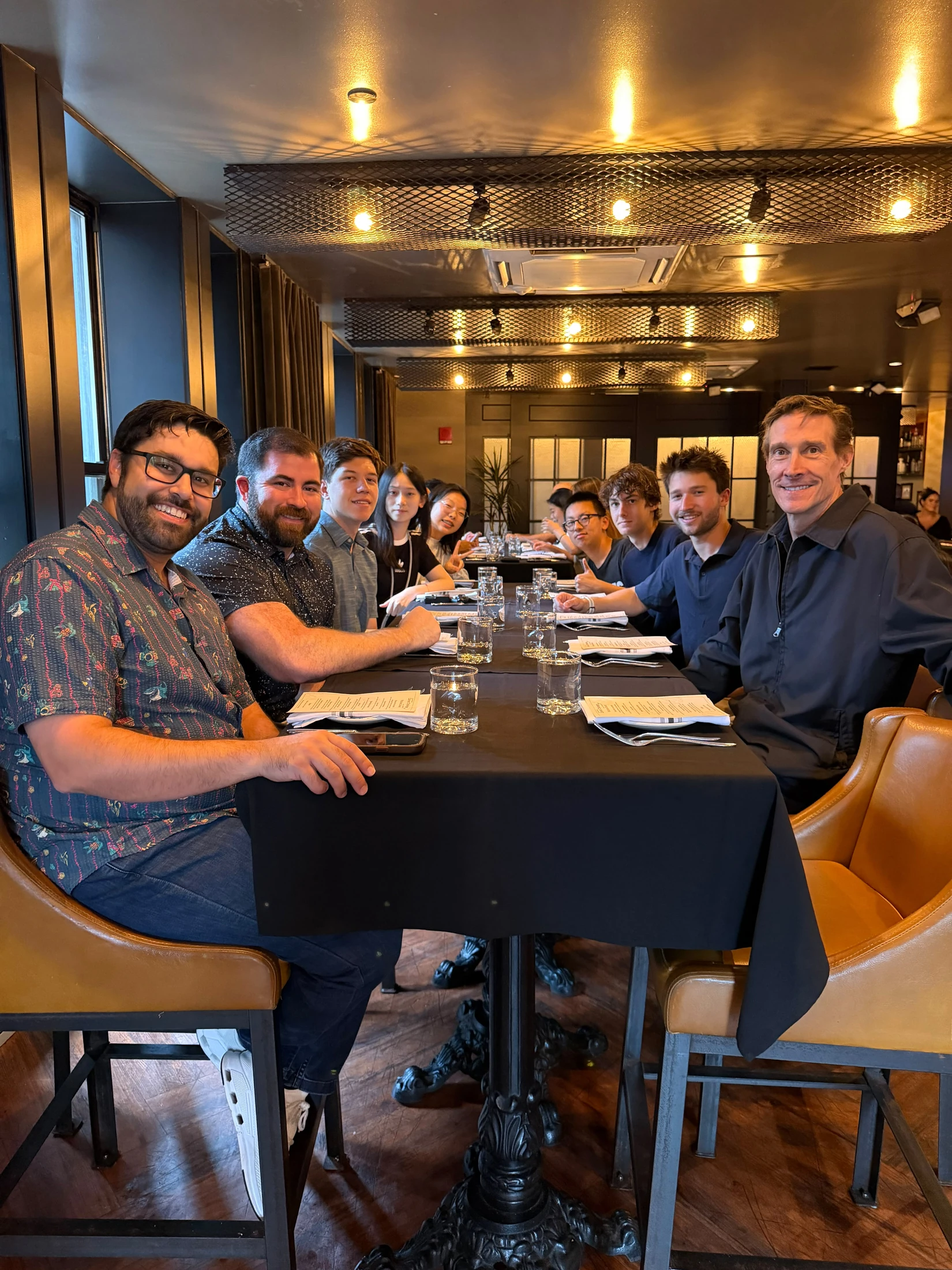
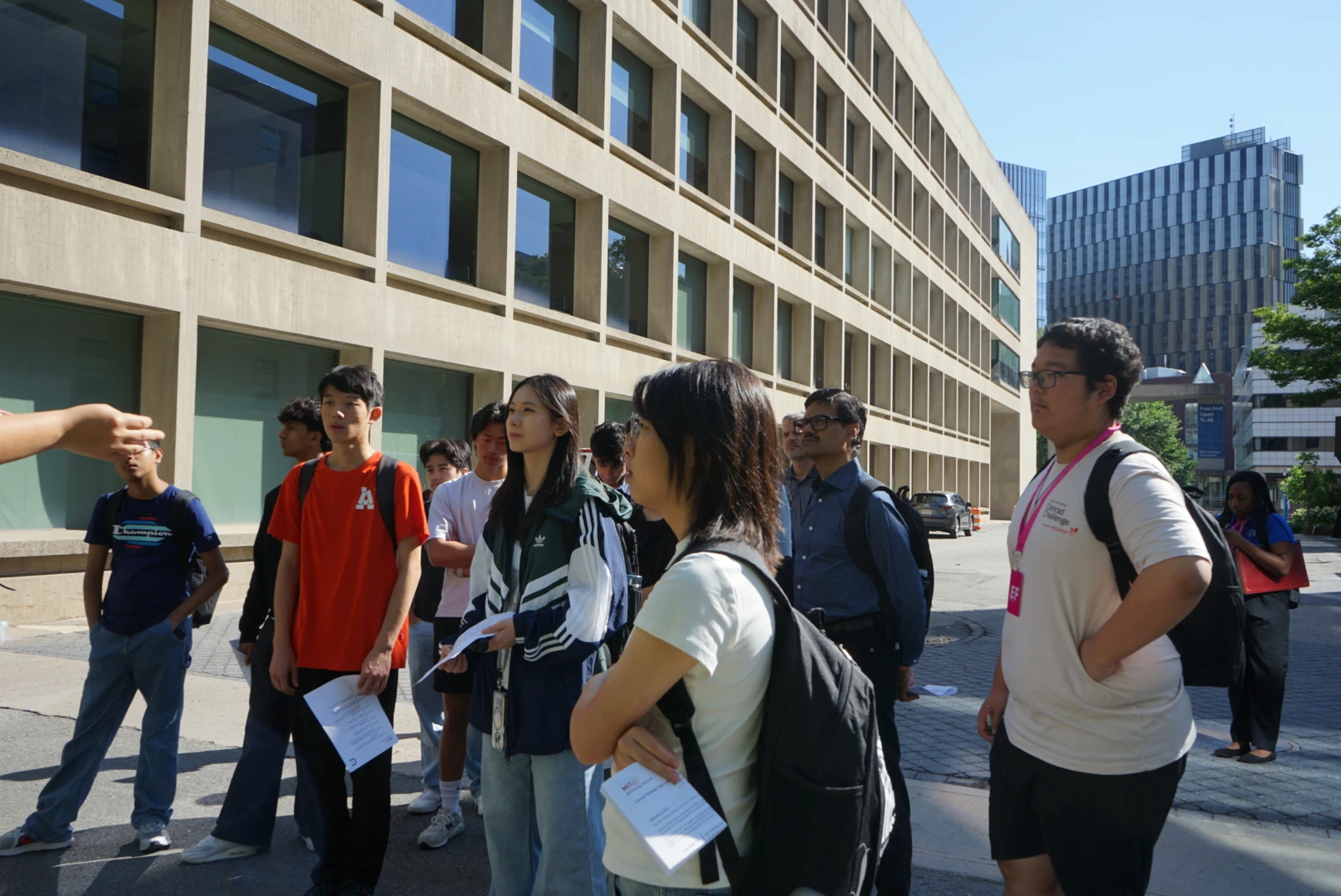
Learning across disciplines
Through these interdisciplinary academic exchanges, we gained a broader global perspective on engineering projects that serve the public good.
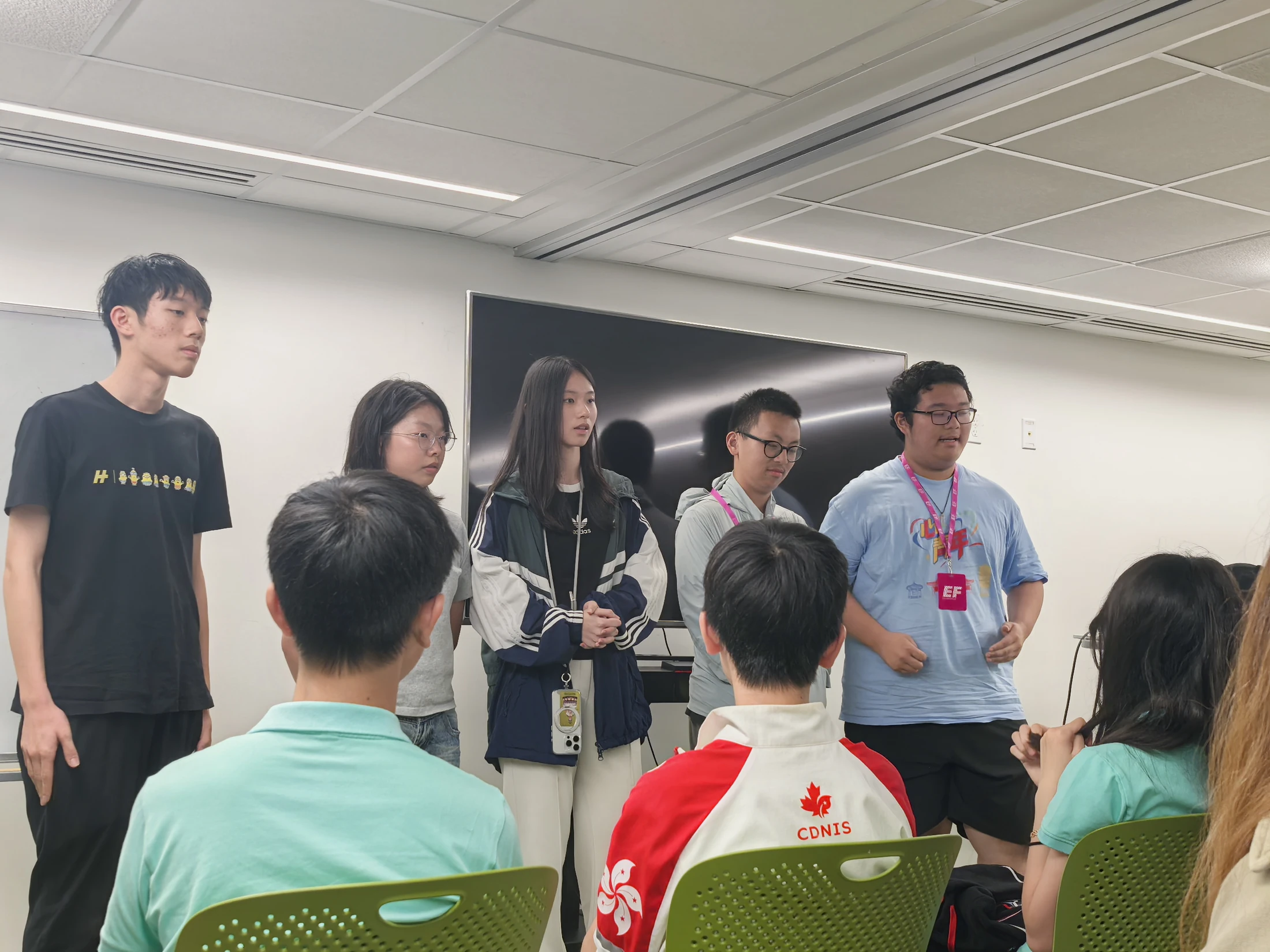
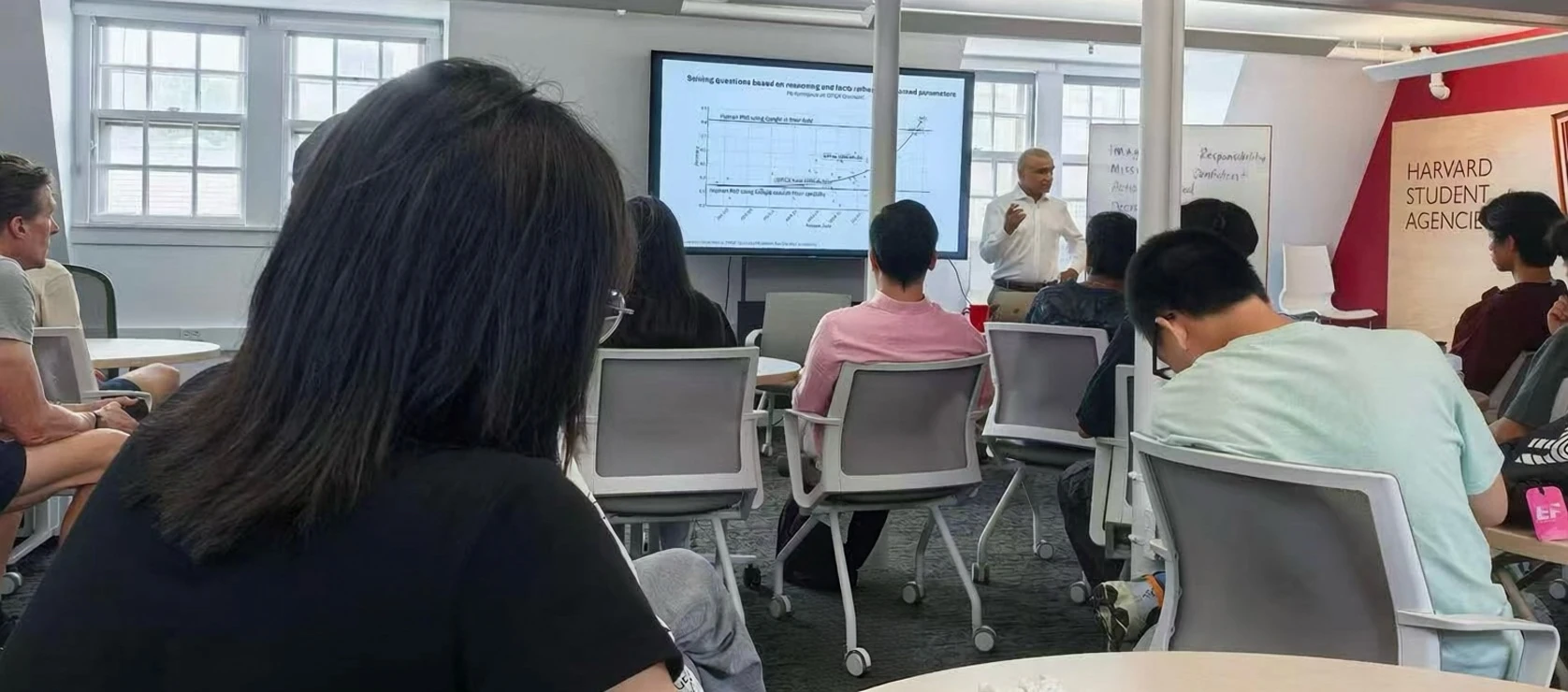
Connecting engineering with entrepreneurship
I returned with a deeper understanding of how entrepreneurial thinking can help engineering innovation address public challenges.
Project evidence