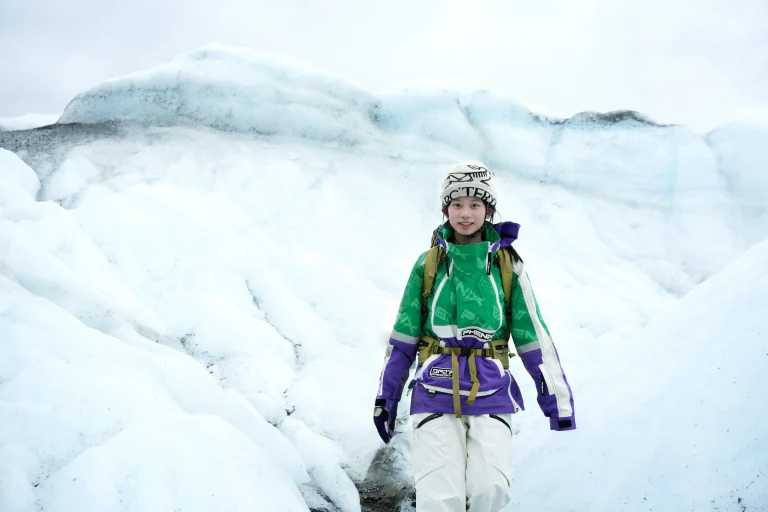
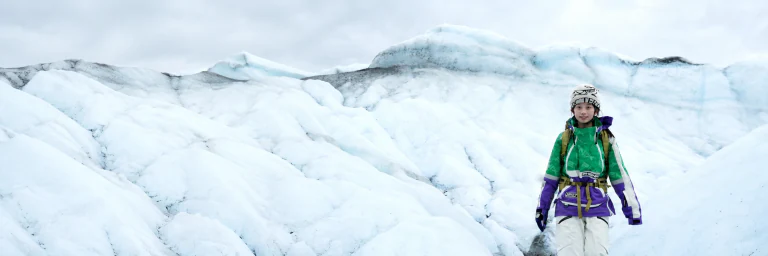
Southcentral AlaskaBrown Environmental Leadership Lab (BELL), Alaska
Brown BELL · Alaska
Where ice
meets life.
My fieldwork across glaciers, volcanic hazards, and the living landscapes connected by water.01 / Overview / Brown Environmental Leadership Lab
From an indoor model to a living landscape.
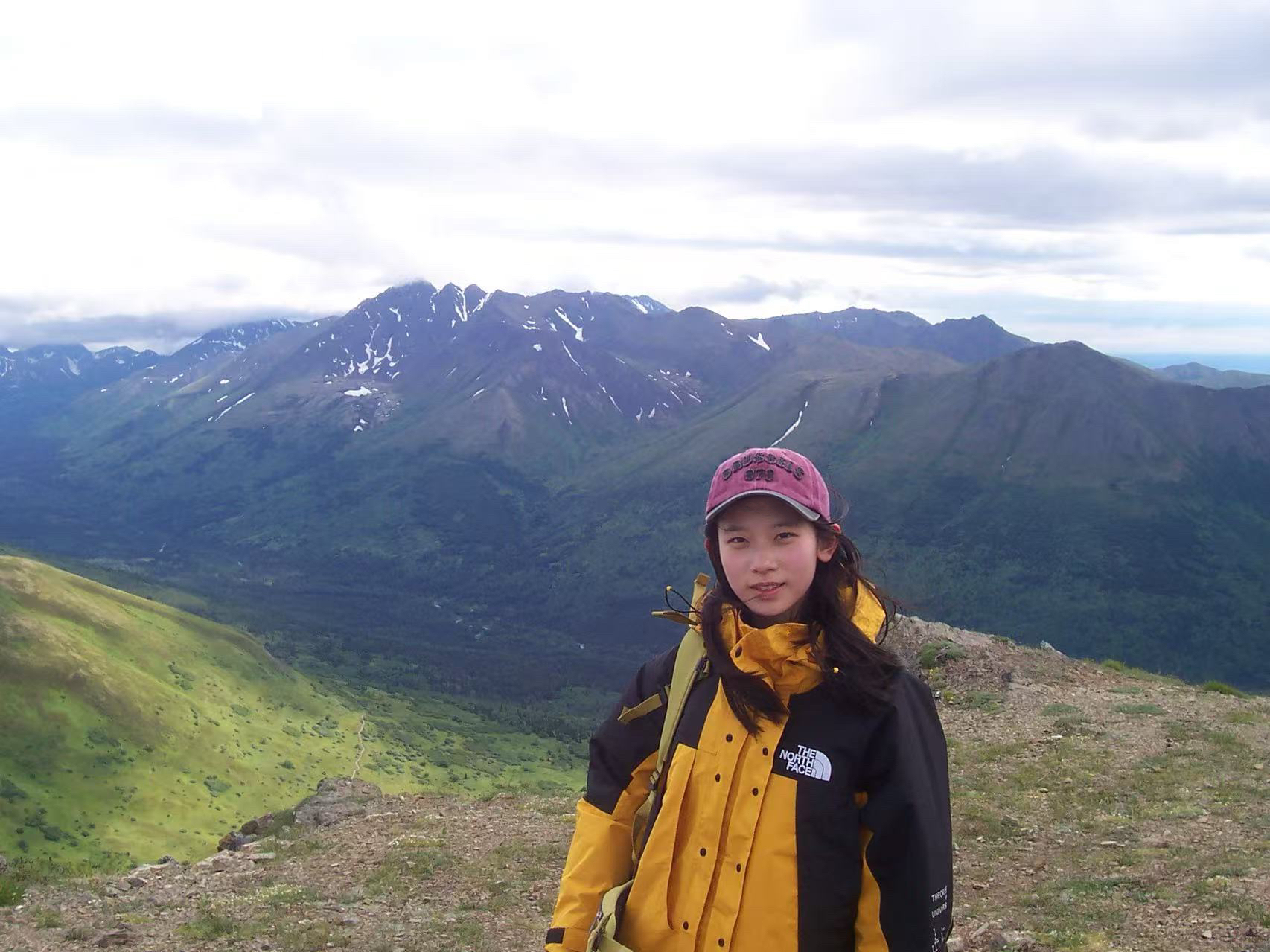
Let the field change the questions.
At Brown’s Environmental Leadership Lab in Alaska, I brought my interest in environmental science into an immersive field setting. Glaciers, geological hazards, rivers, and habitats became connected parts of the same landscape to observe and understand.
I collected environmental data across 12 field sites and interviewed 45 residents about climate change, local culture, and Alaska Native history. Standardized observations helped me study the physical environment; conversations added perspectives on what environmental change means to the people who live there.
Much of my earlier work had taken place indoors, through theory, monitoring, and simulation. Alaska gave those questions a physical setting and helped me see the links between the cryosphere, geological processes, and terrestrial ecosystems.
- 12
- Environmental field sites
- 45
- Residents interviewed
- 3 connected areas
- Glaciers · Volcanic hazards · Ecology
02 / Glacial field research / Matanuska Glacier
Climate change becomes tangible on the ice.
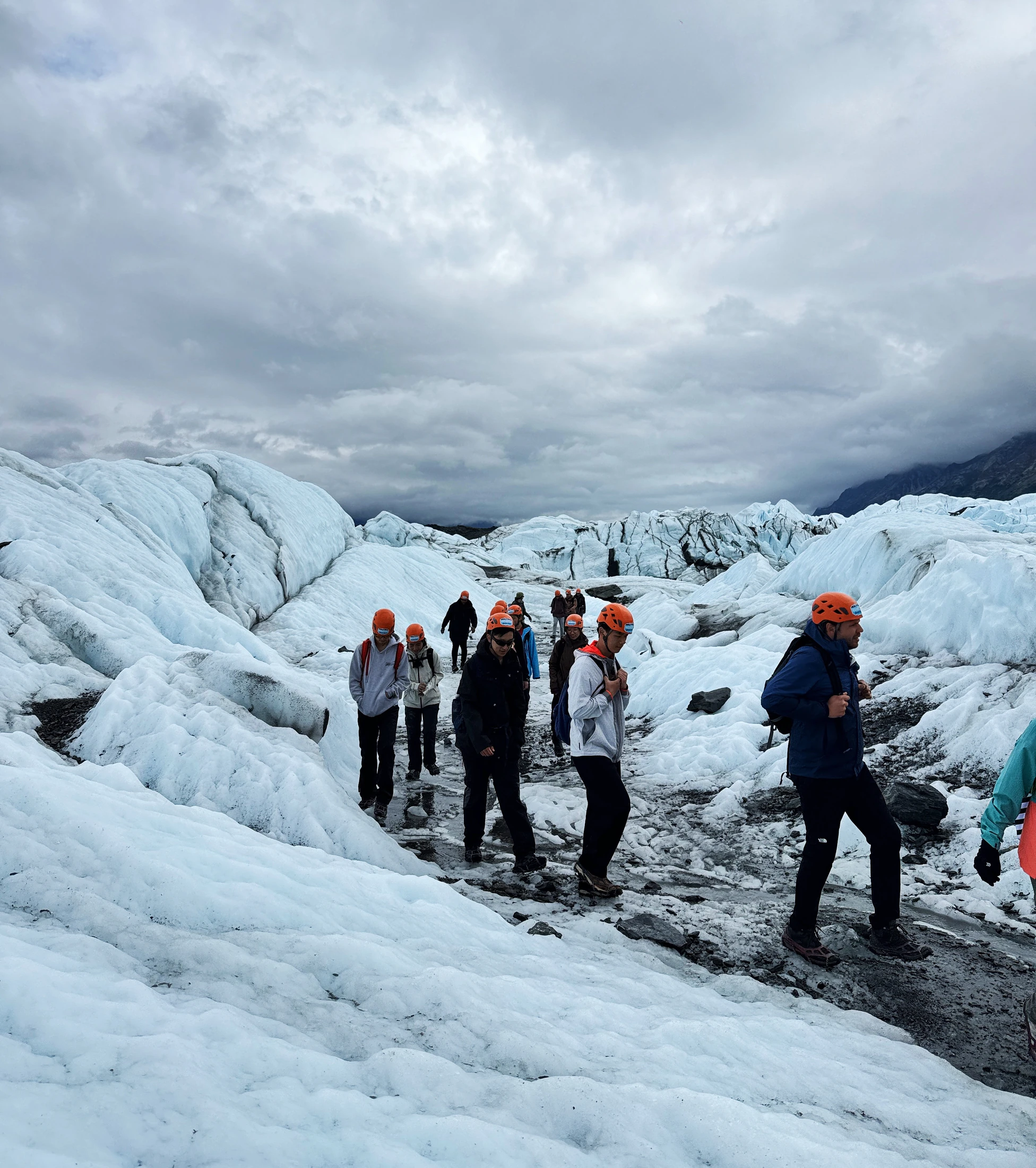
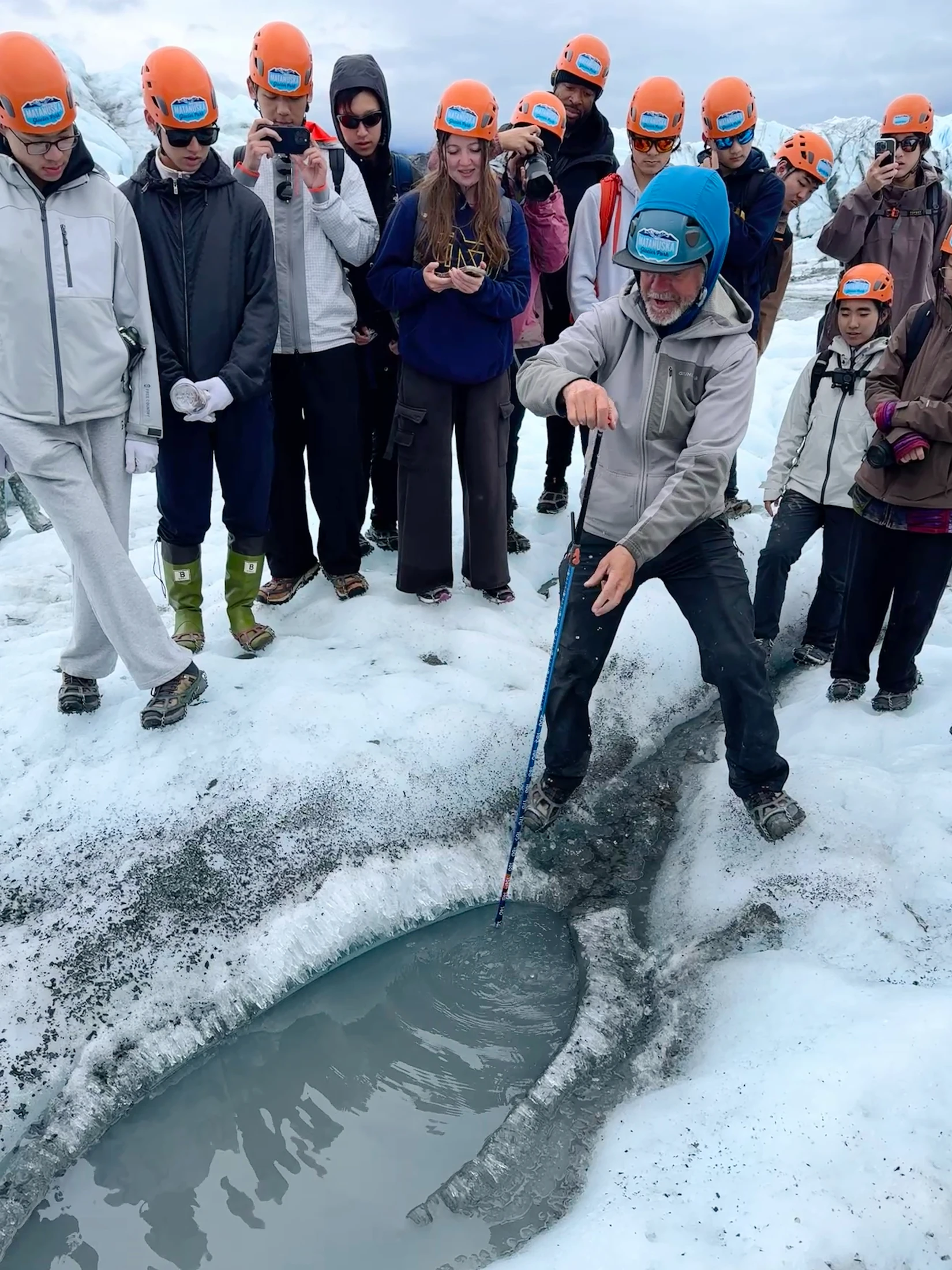
Step into the landscape.
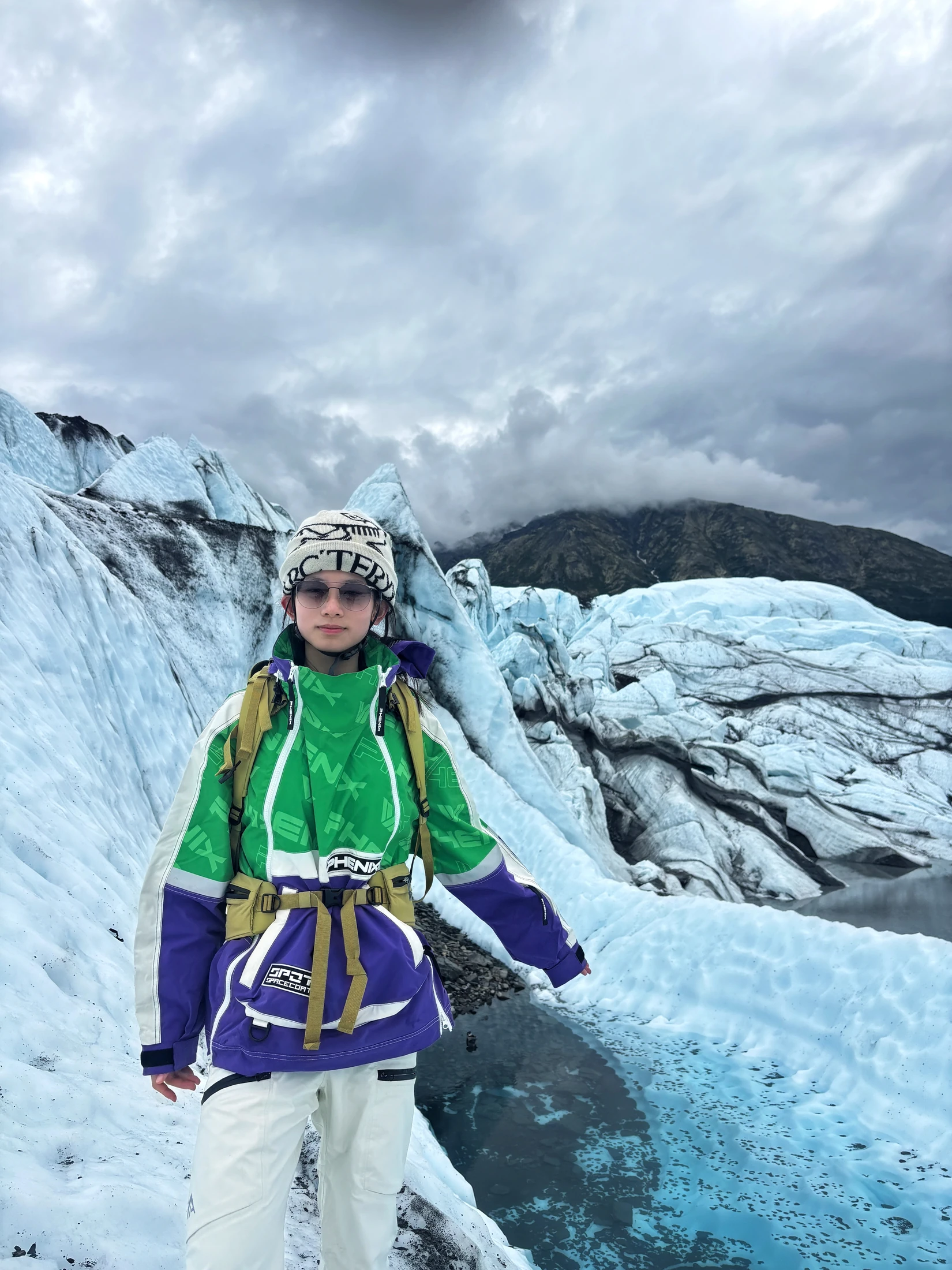
At Matanuska Glacier, our group walked between ice formations and across surfaces marked by rock and sediment. The scale of the landscape became clearer as we moved through it, stopping to look closely at features that would have been easy to miss from a distance.
The glacier became a field setting for questions I had previously encountered through theory and models. Observing crevasses, meltwater, and moraine landscapes gave those questions a physical context.
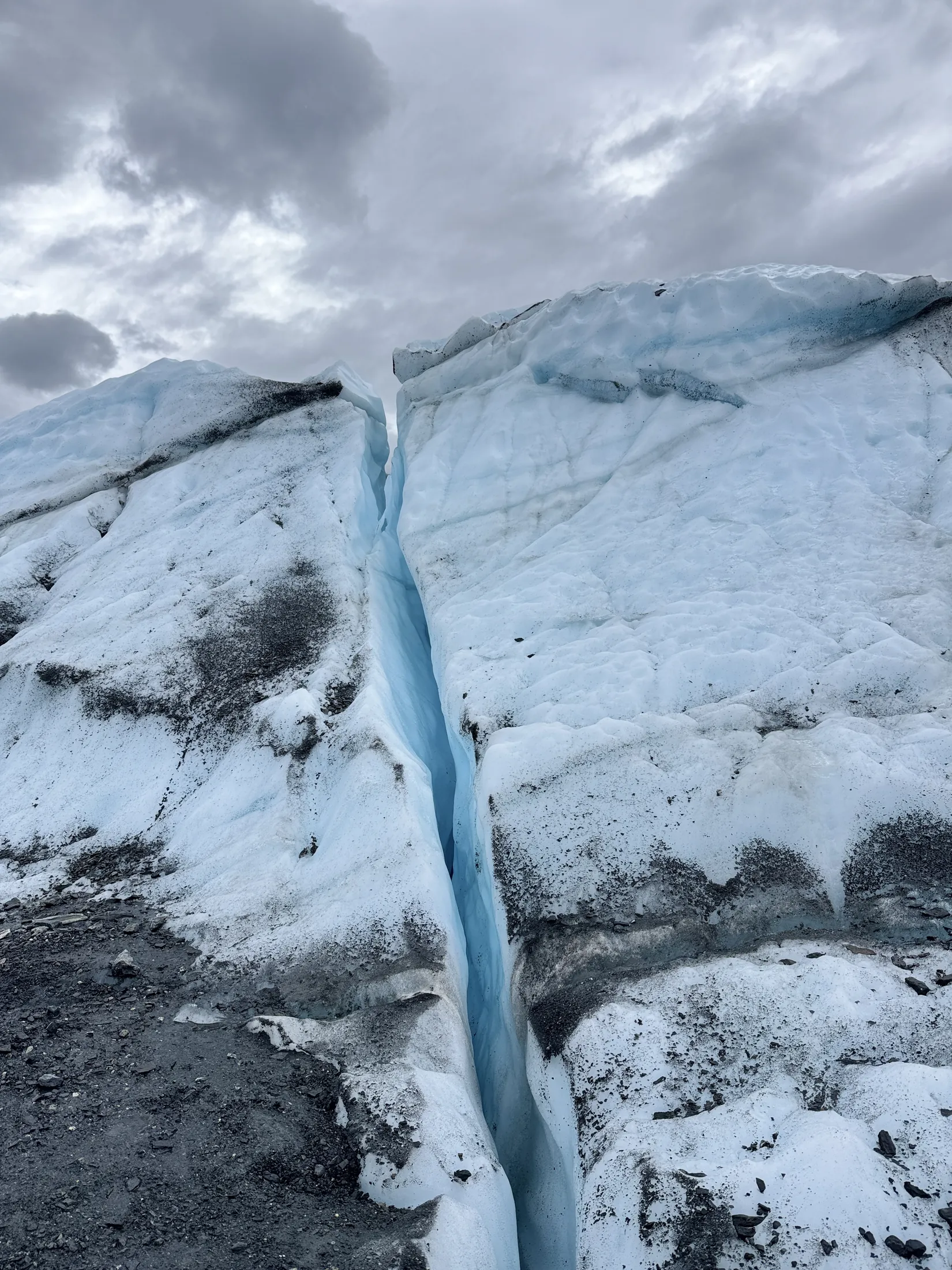
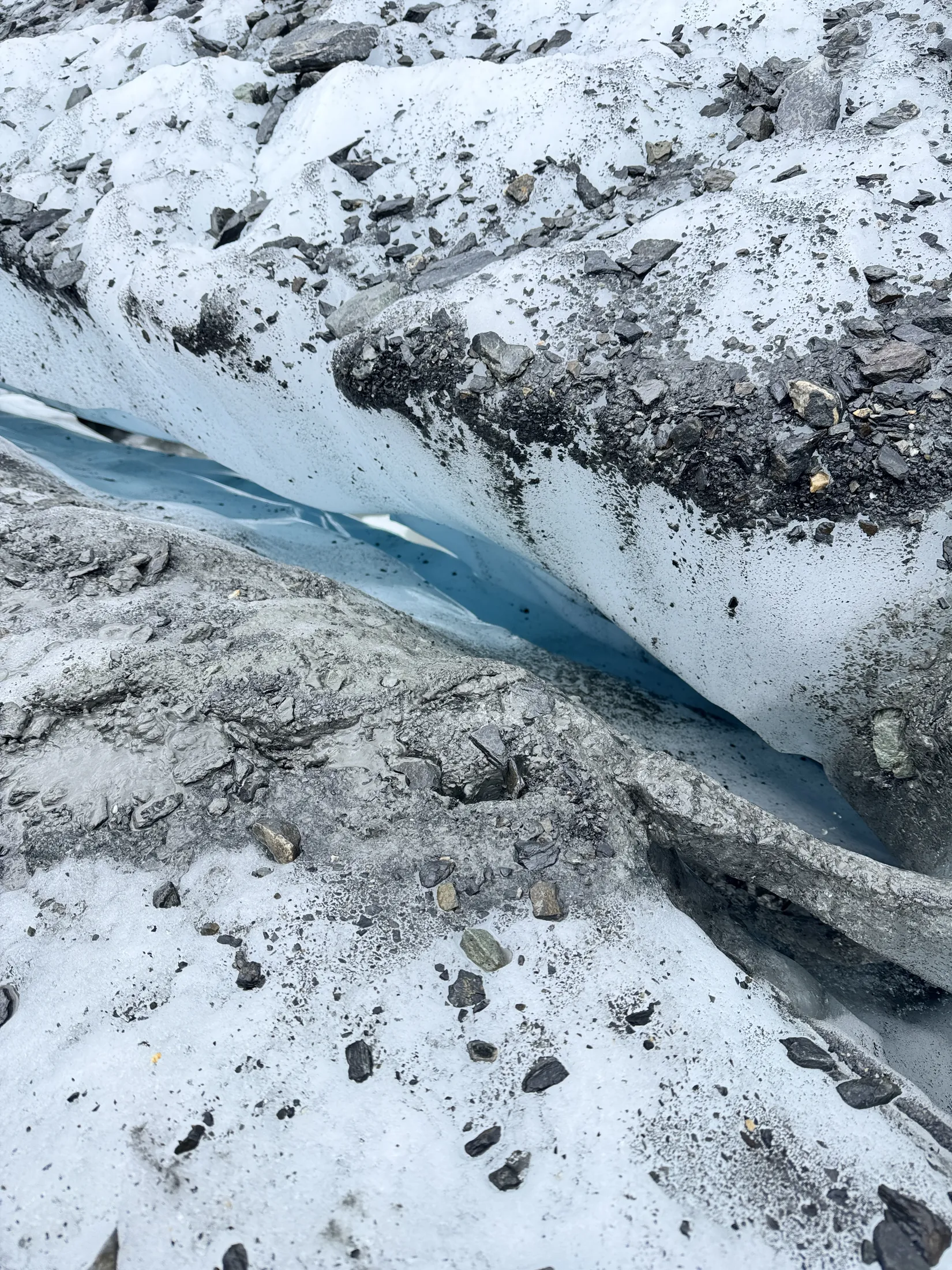
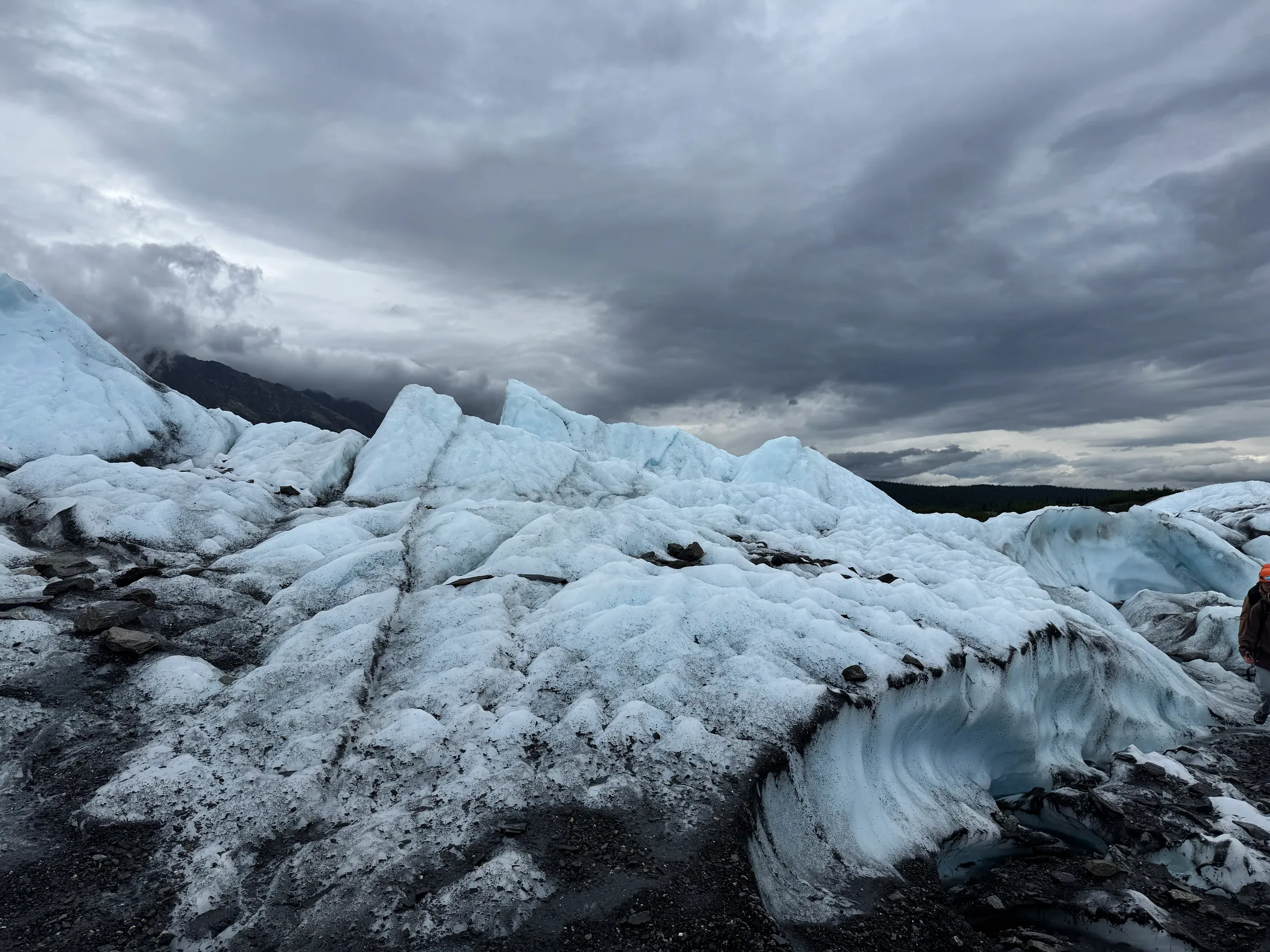
Read the ice, from a fissure to the horizon.
A deep blue crevasse, a sediment-lined channel, and a wider view of the ice each revealed a different part of the same environment. Looking between these scales helped me connect individual features with the glacier as a whole.
Ice, sediment, and water were no longer separate textbook examples. Seeing them together made the wider question of glacier change in a warming climate more tangible.
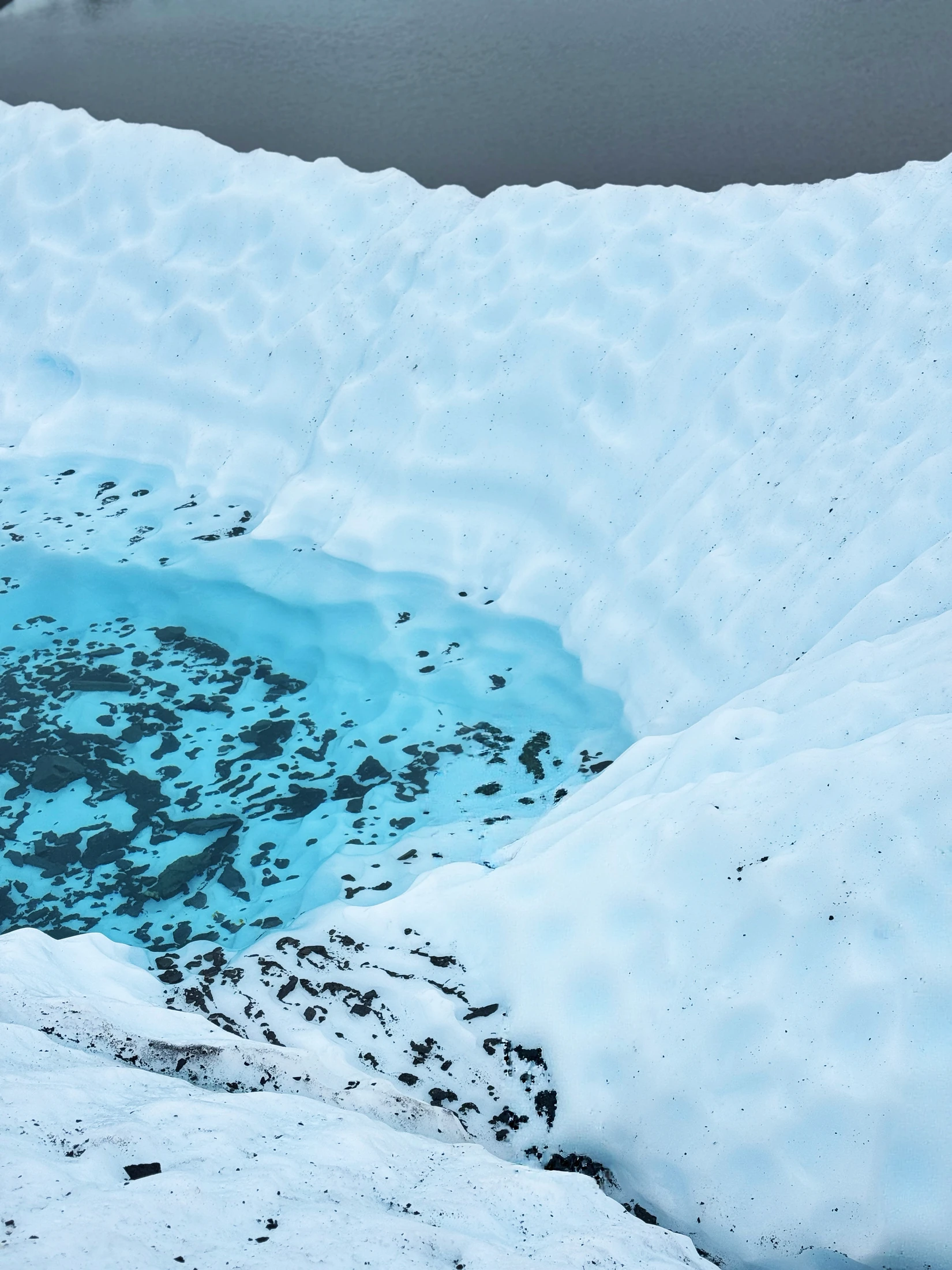
Look closely where ice becomes water.
Beside a meltwater pool, an on-site demonstration shifted our attention from the broad glacier to a specific observation. I watched the guide examine the water and looked at the surrounding ice and visible sediment, connecting a field explanation with the conditions in front of us.
These stops were part of learning how to observe and record an environment carefully. Meltwater also pointed beyond the ice: it gave me a way to begin thinking about the waterways and habitats farther downstream.
03 / Volcanic hazard research / Alaska Volcano Observatory
Bring an existing model to a new question.
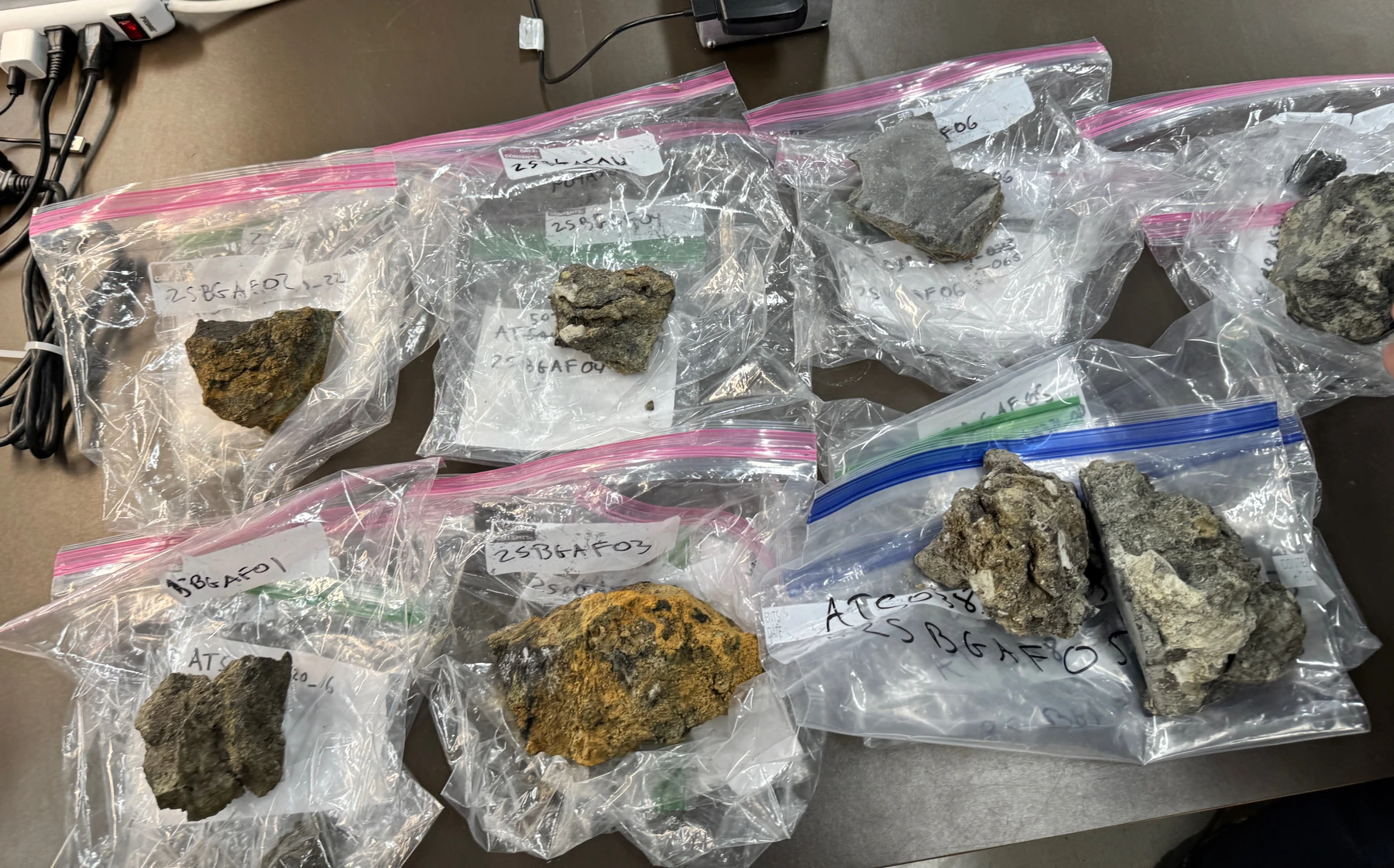
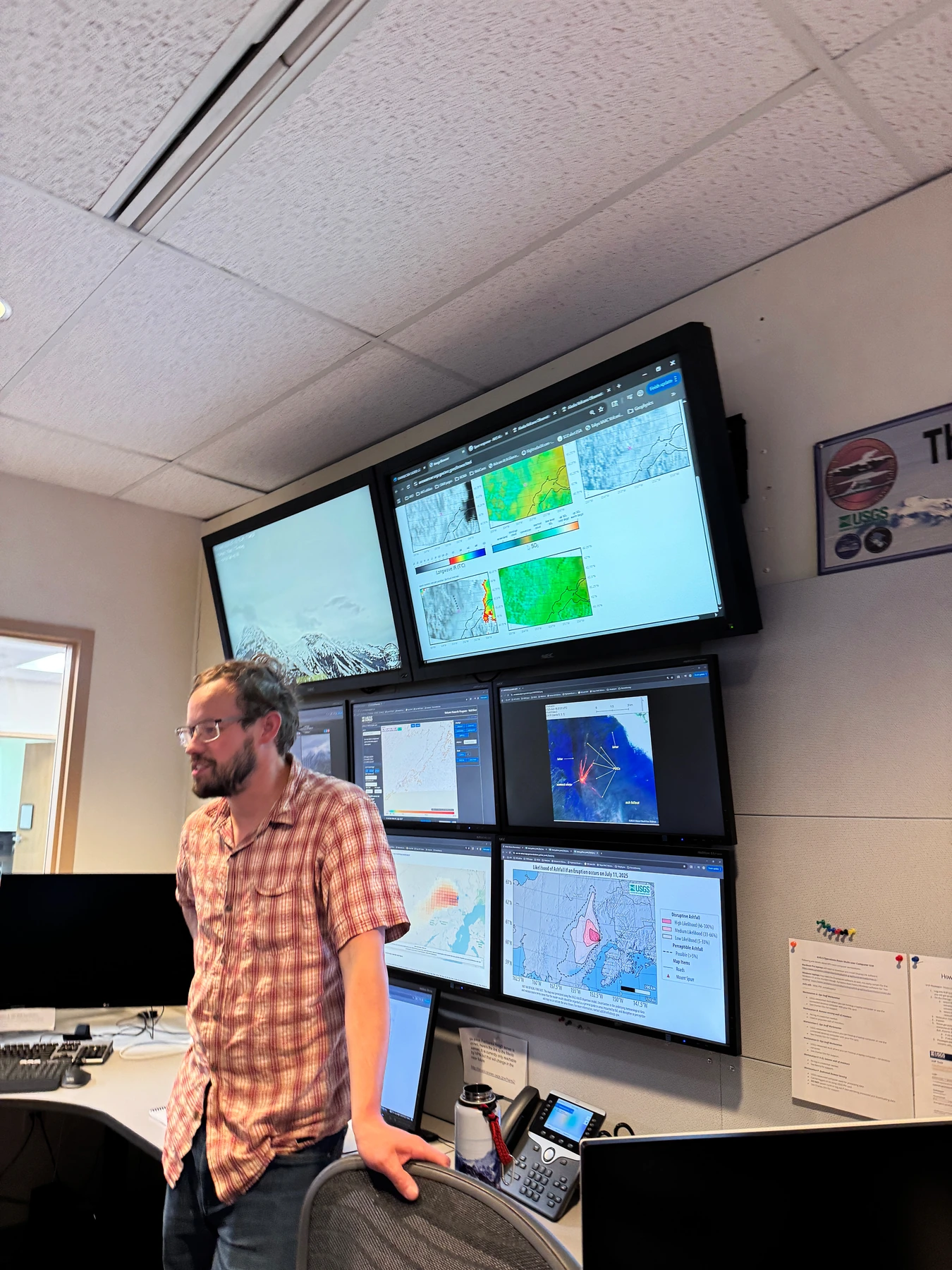
Learn how a hazard becomes observable.
At the Alaska Volcano Observatory, I learned about volcanic monitoring and the role of observations in geological hazard warnings. Rock samples, monitoring displays, and discussions connected the material evidence of volcanism with the work of recognizing and communicating risk.
The visit prompted a connection with my earlier indoor air-monitoring and particulate-pollution research: how could the tools I had used to think about air quality inform a response to a natural atmospheric hazard?
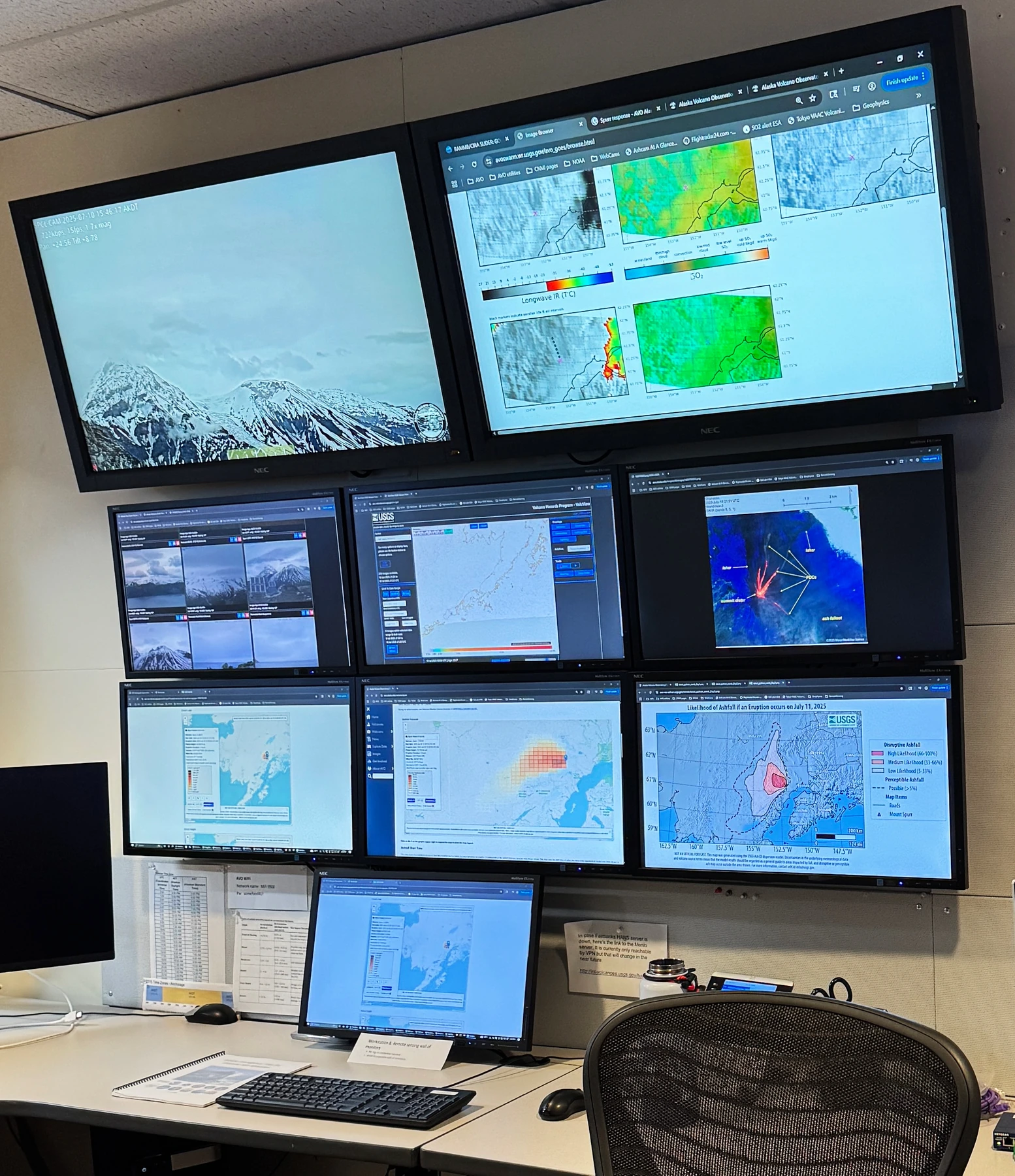
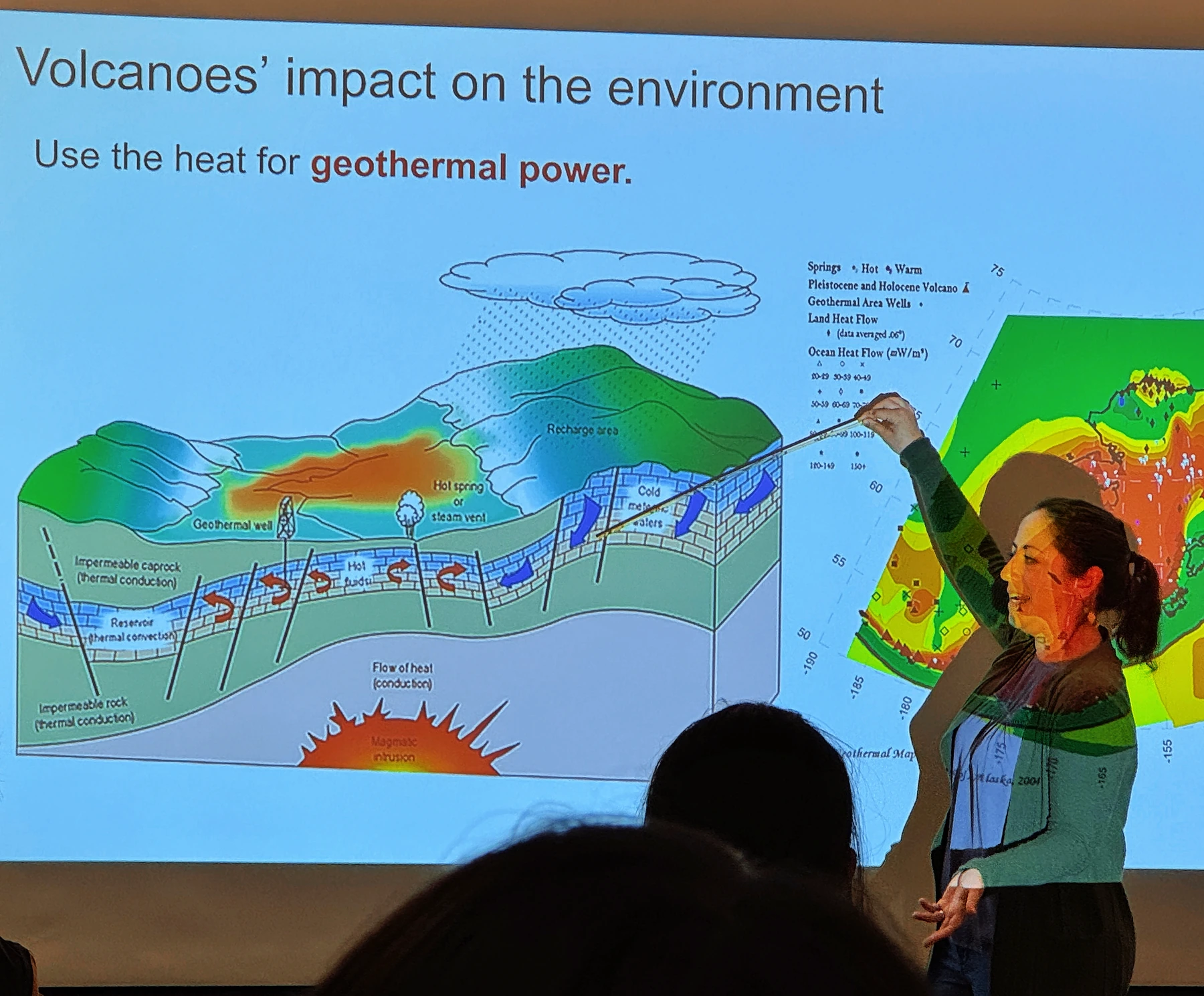
From urban air quality to an ash-response proposal.
Drawing on gaseous-pollutant diffusion models, I developed a proposed volcanic-ash dispersion response plan to assess environmental risk. I used the modeling approach as a starting point for connecting the spread of an airborne hazard with decisions about monitoring and response.
This extended my research interests from pollution in built environments to atmospheric risk associated with geological events. The project brought together what I had learned in the field and the analytical methods I could carry into a new setting.
04 / Ecology & conservation / Waterways, wetlands, and wildlife
Follow the water. Find the connections.
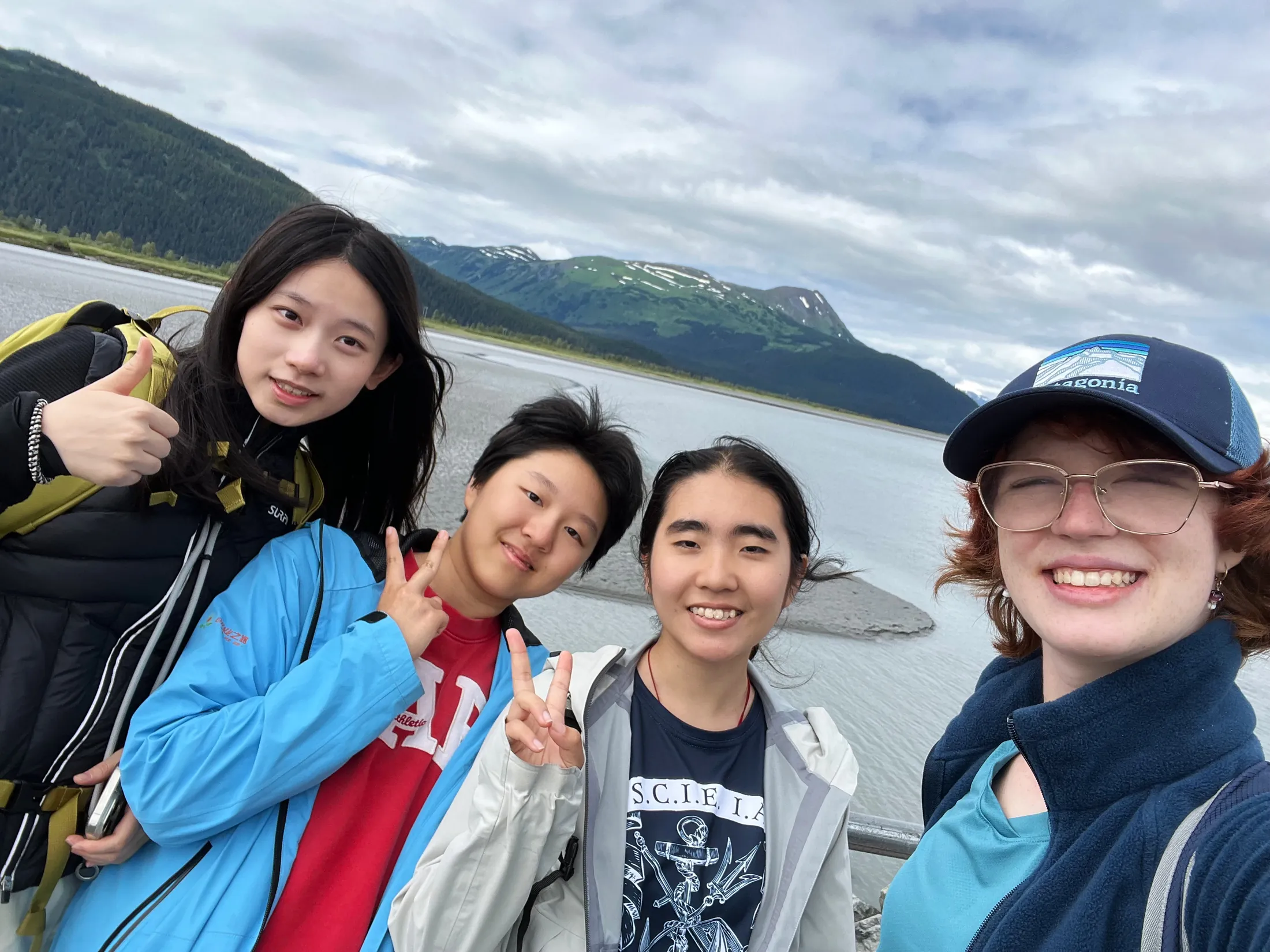
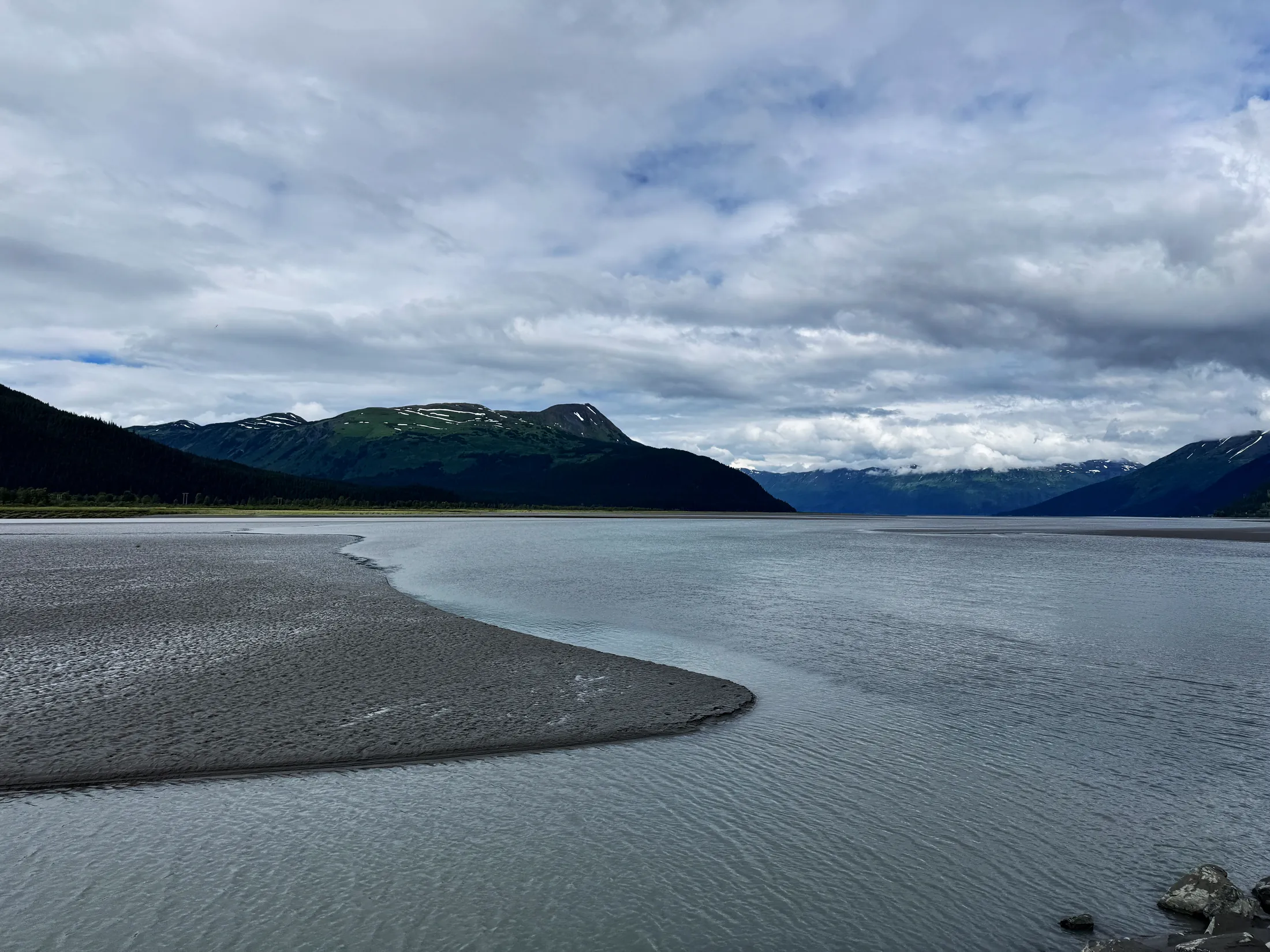
Study a place with the people beside you.
Visits to the Knik River and Palmer Hay Flats connected our glacier observations with waterways and wetland habitats. Walking and observing with fellow students helped me compare what each of us noticed about the water, exposed sediment, and surrounding mountains.
Alongside the fieldwork, conversations with residents brought local culture and Alaska Native history into my understanding of the region. The landscape was also a place where people lived, remembered, and responded to change.
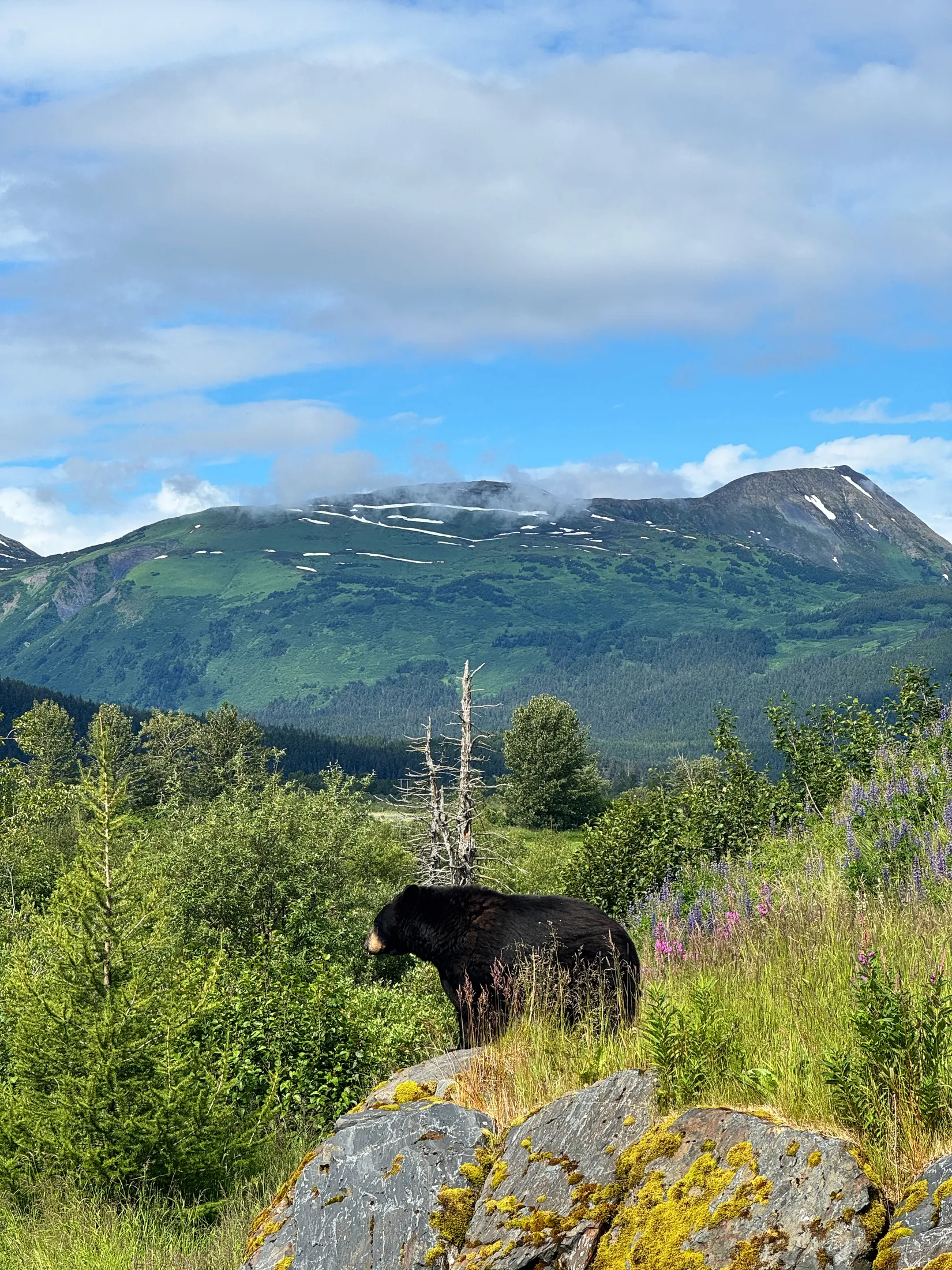
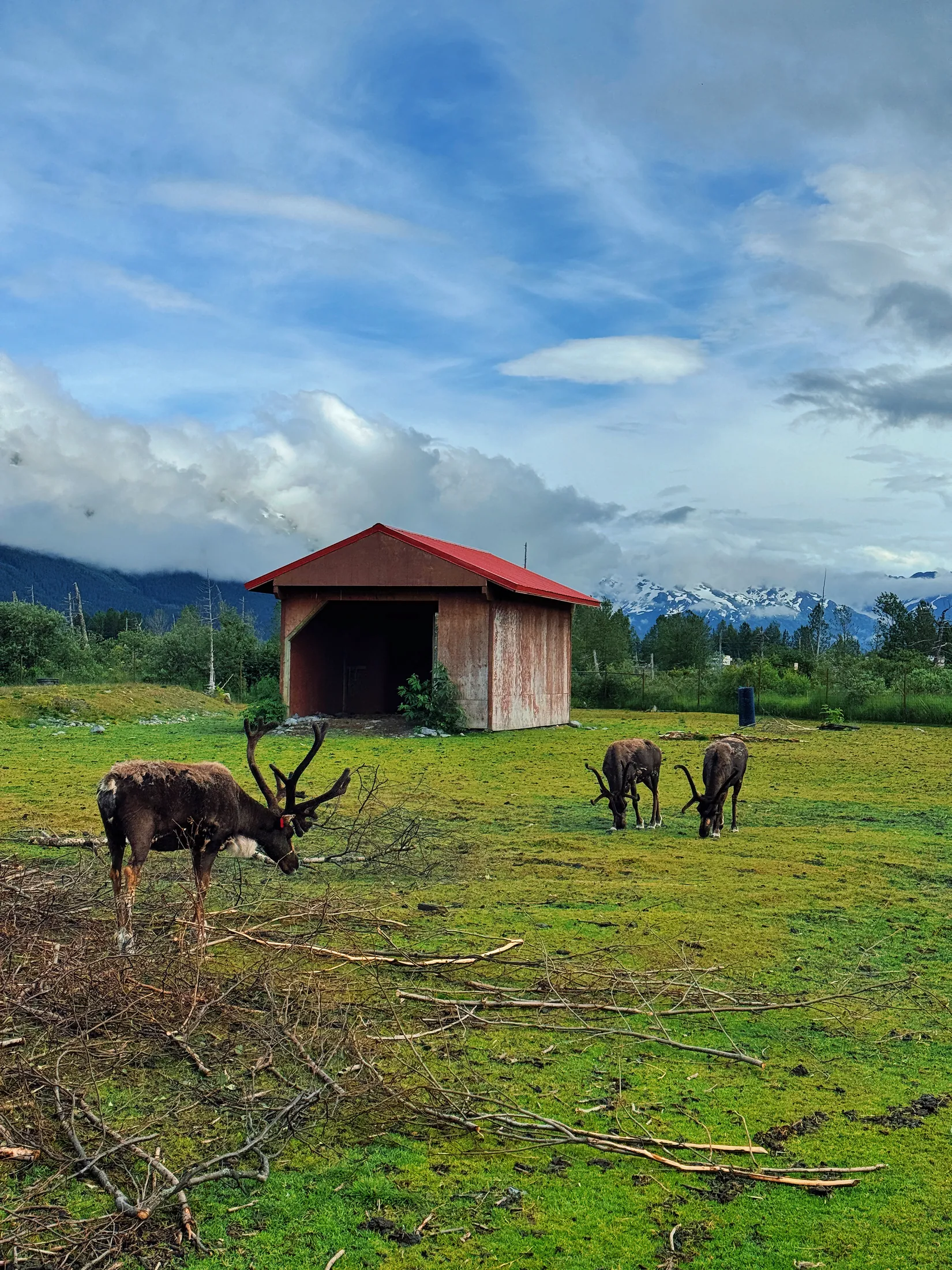
See the habitat around the animal.
At the Alaska Wildlife Conservation Center, I learned about wildlife rescue and care. Seeing a bear among the vegetation and antlered animals in their surroundings made the discussion of conservation more concrete.
I began to look beyond an individual animal to the conditions around it: vegetation, water, shelter, and the wider habitat. Questions about environmental change became questions about how those relationships could be sustained.
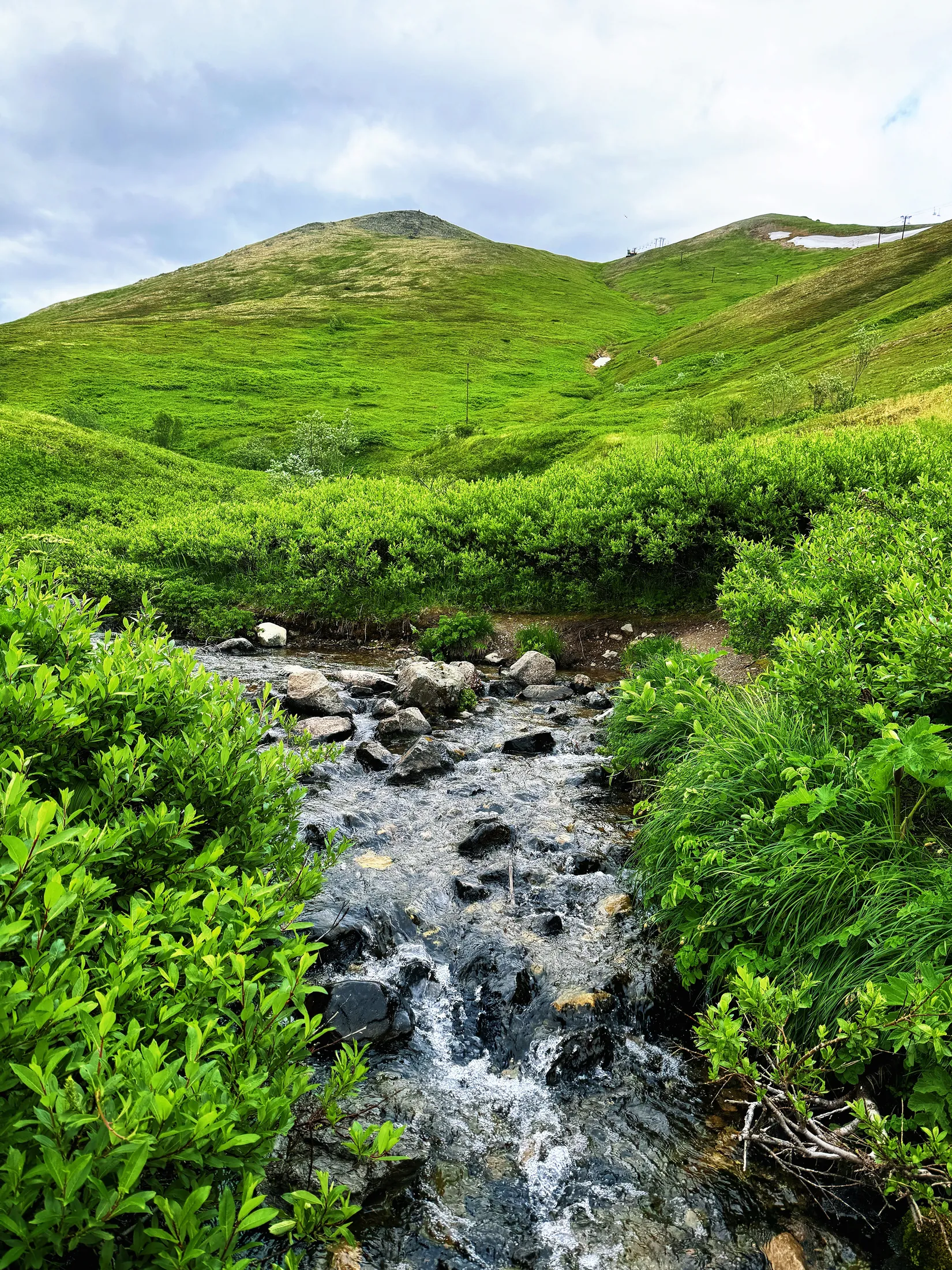
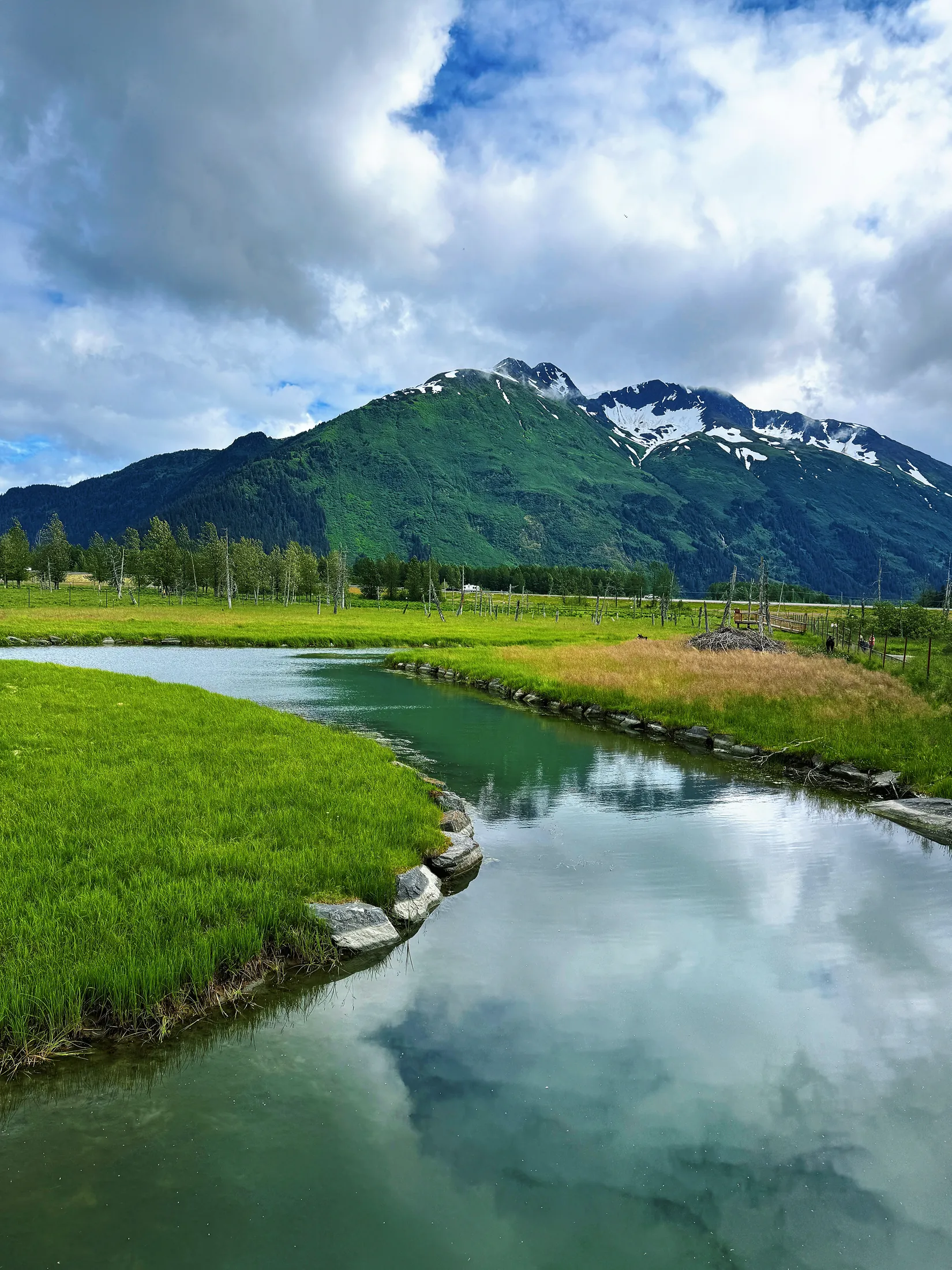
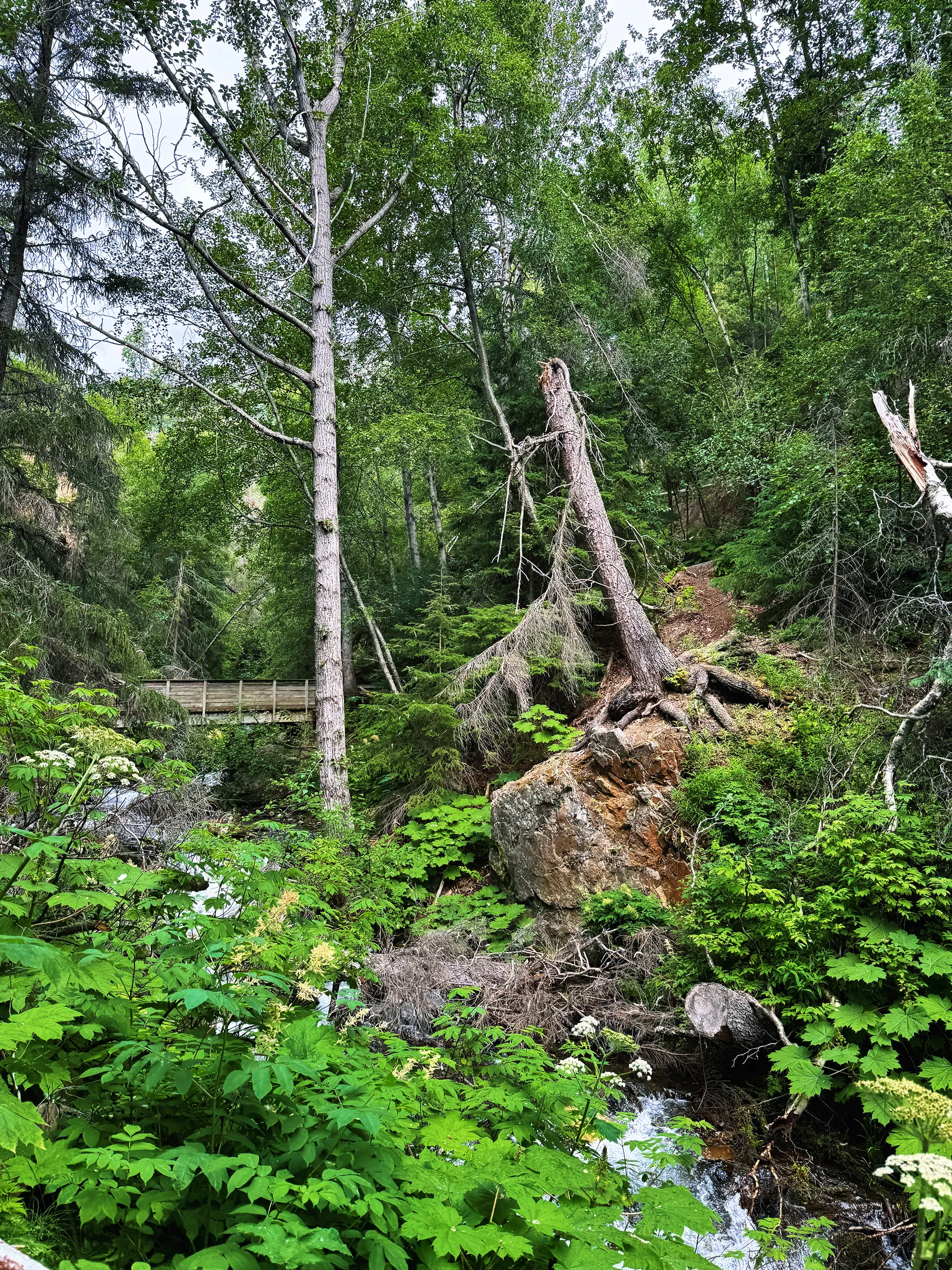
Follow one system through many landscapes.
Mountain streams, wetlands, and the forest floor offered different views of the connection between water and land. I looked at flowing water alongside vegetation, roots, soil, and sediment, tracing relationships across the places we visited.
This gave the glacier observations a wider meaning. To understand a change in the ice, I also needed to ask what it might mean for downstream water systems and the habitats around them. The fieldwork encouraged me to consider these connections together.
05 / Outcomes / A wider environmental perspective
Observe. Analyze. Consider the response.
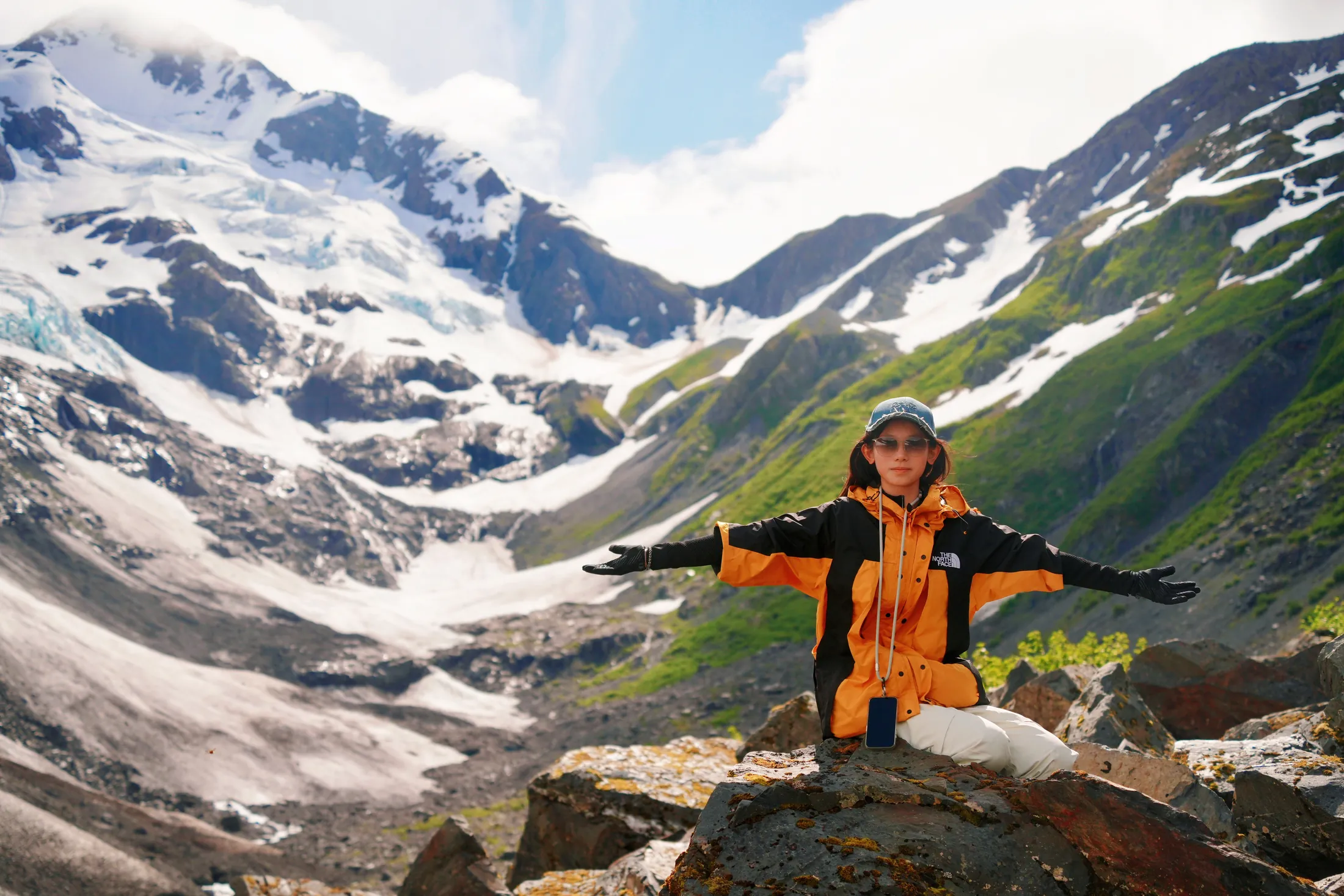
See the whole landscape.
Glacier observation, volcanic-risk modeling, and ecological fieldwork brought together three ways of studying environmental change. Seeing the ice within a wider mountain landscape helped me hold those connections in view.
I left Alaska with a broader Earth-system perspective: an observation at one site can lead to questions about water, habitats, and the people elsewhere in the landscape.
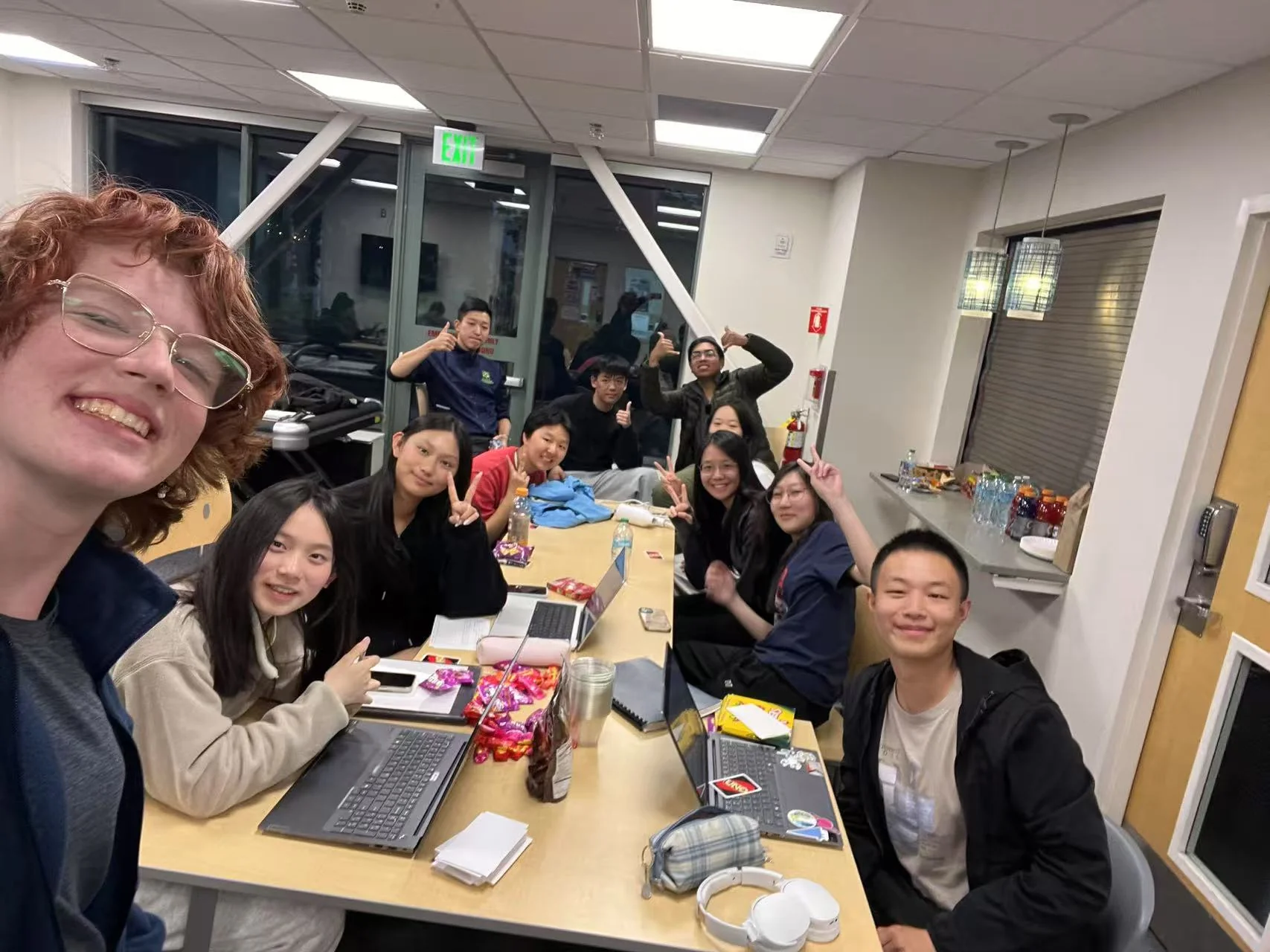
Bring field observations into the discussion.
Learning continued away from the field sites, through discussion and time spent working alongside others. Comparing observations helped me think about what the evidence showed and what still needed investigation.
The experience strengthened a process I want to keep developing: begin with observations, use scientific analysis to examine them, and consider what they mean for environmental risk. It also clarified my interest in using environmental science and data models to work on climate and ecological problems.
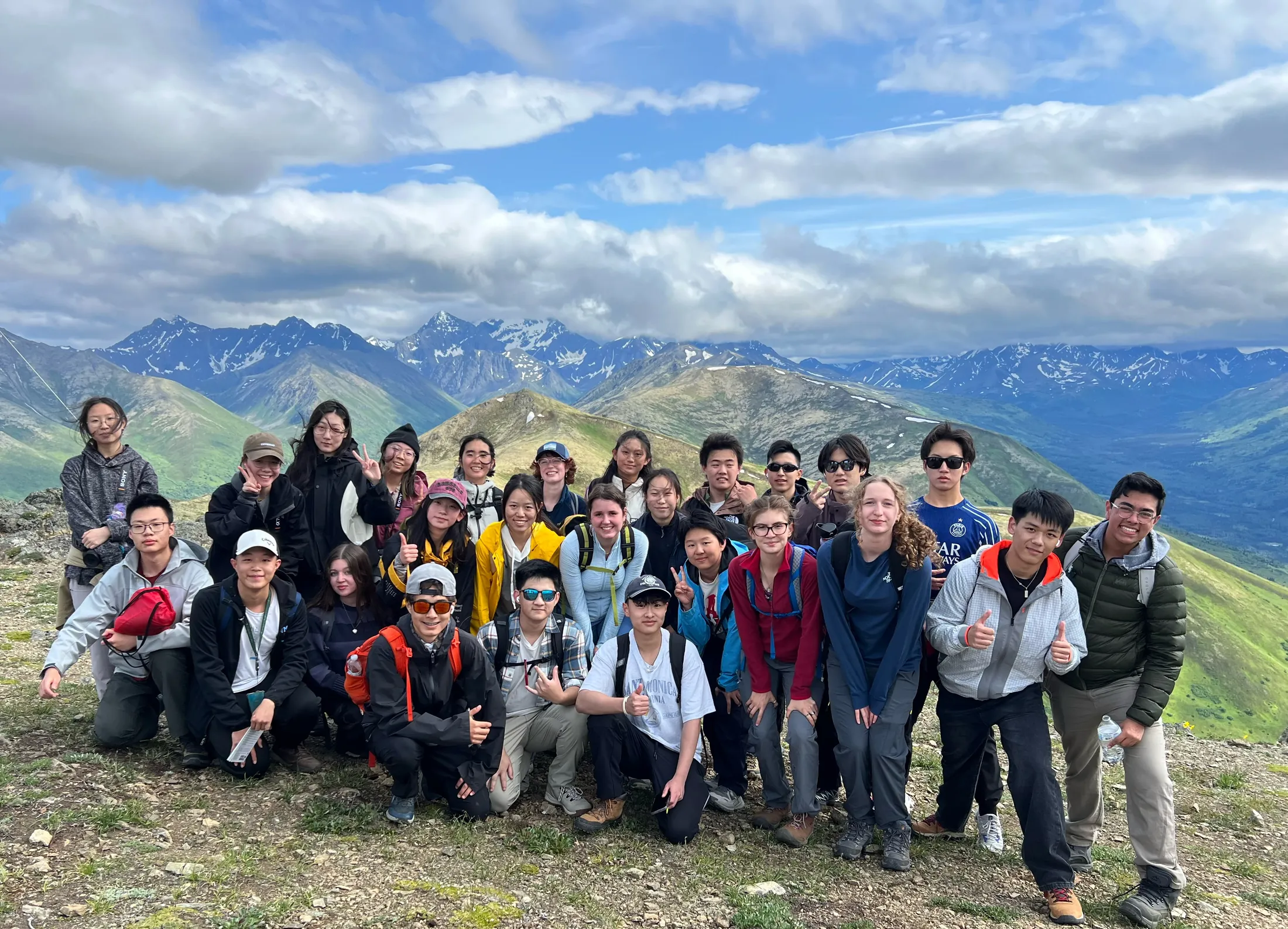
Remember the people as well as the place.
The people I learned with became part of how I remember Alaska. Shared field visits and conversations made room for different questions and perspectives; residents’ accounts reminded me that understanding a place includes its culture and history as well as its physical systems.
I took that lesson home with the field experience: careful environmental research begins with close observation and grows through listening to others.
- Field observation
- Collect evidence in context
- Scientific analysis
- Connect observations and models
- Risk assessment
- Turn understanding toward action