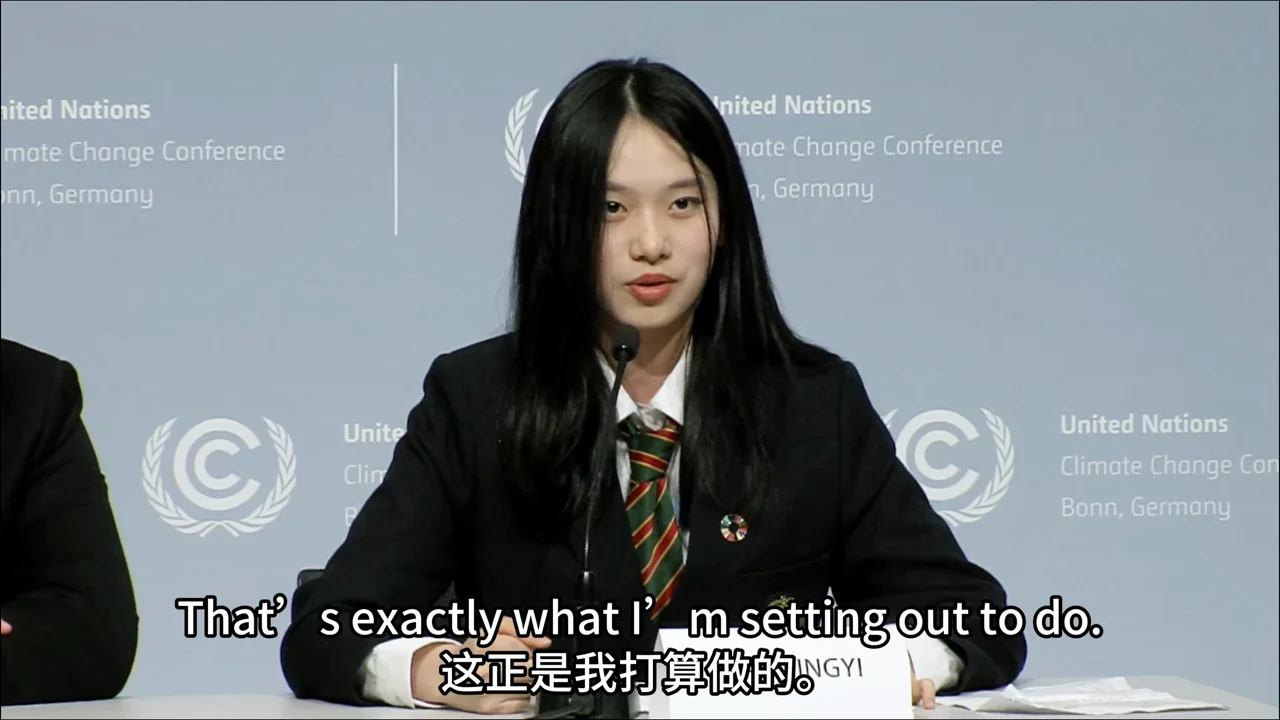
UNFCCC SB62Bonn, Germany · June 2025
Atmos
From listening in Pingxiang and Chongqing to sharing my voice in Bonn.01 / The encounter / Pingxiang & Chongqing
Air pollution directly affects everyone’s health.
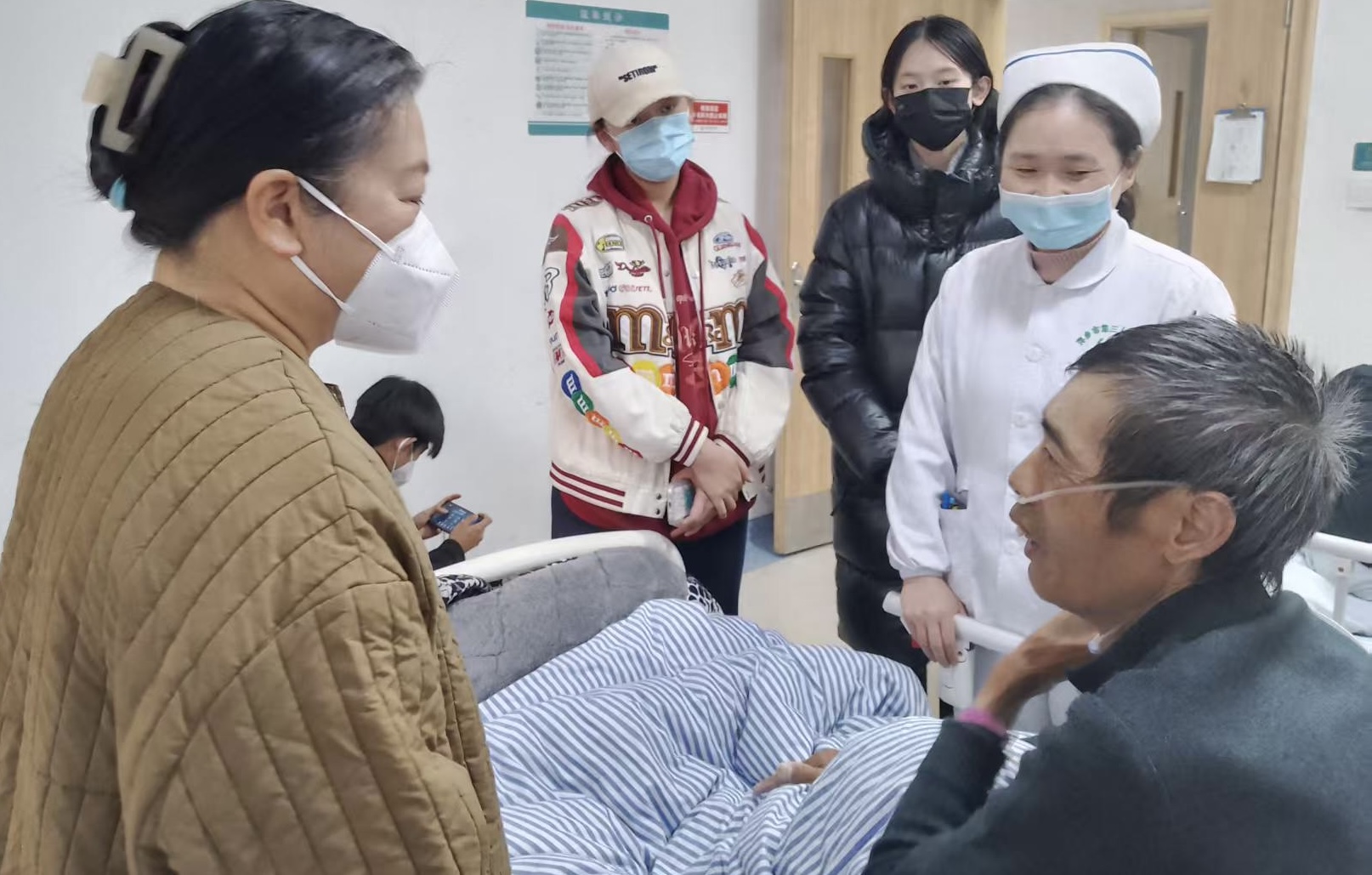
Listening in Pingxiang and Chongqing
Growing up in Chongqing, a city shaped by heavy industry, I had already experienced the effects of air pollution on my own health.
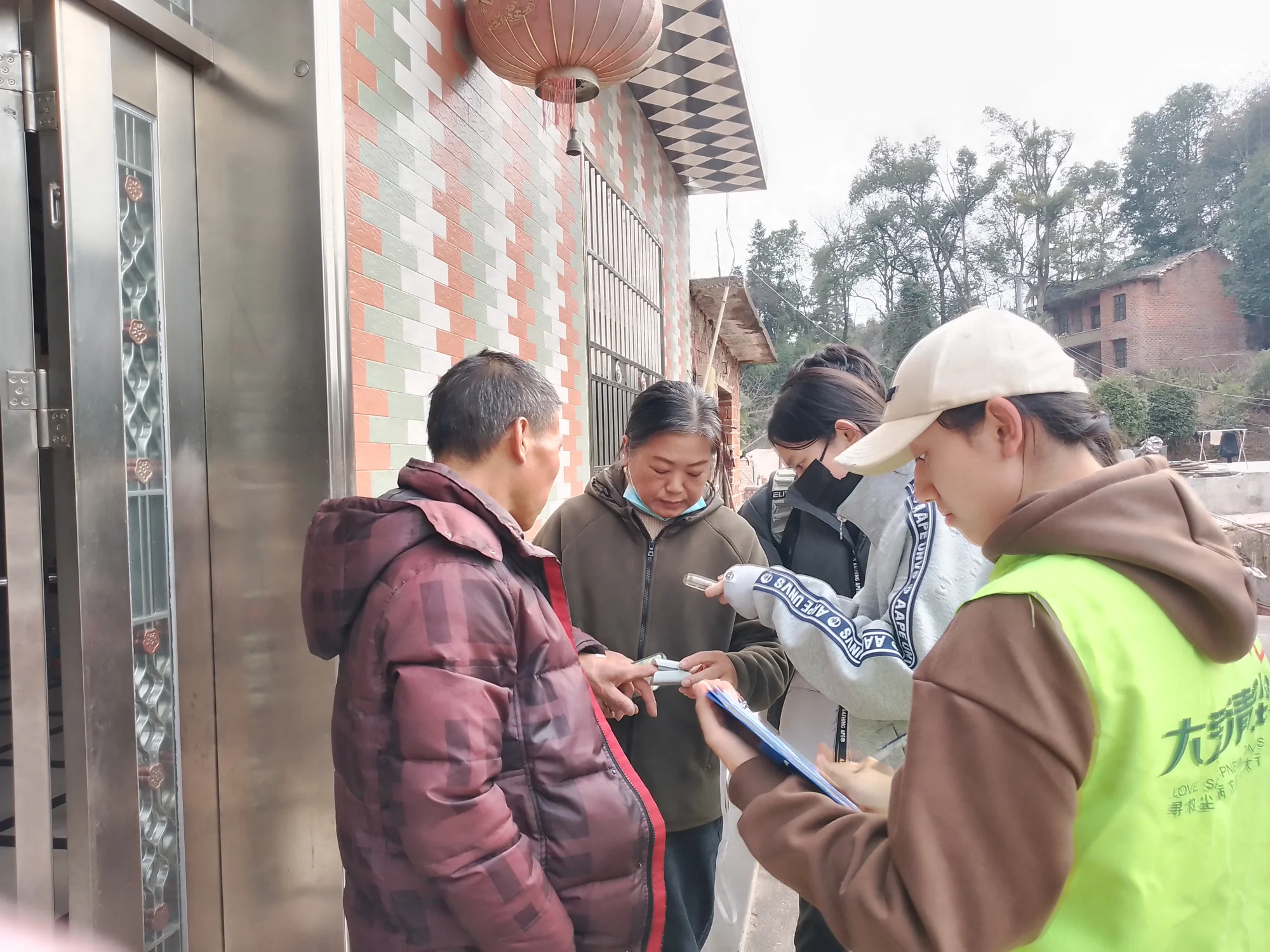
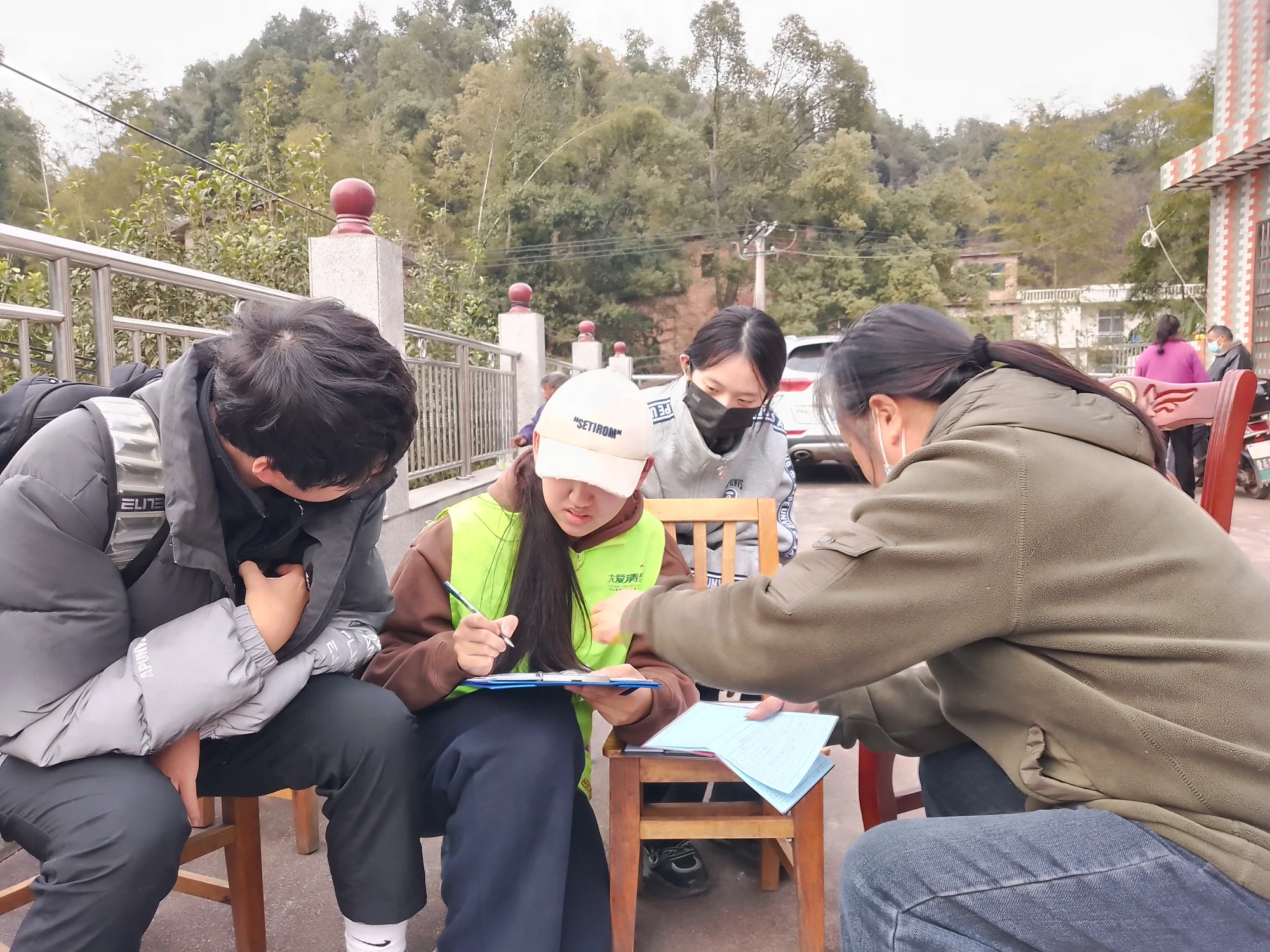
To understand the environmental challenges beyond my own experience, I visited old mining communities in Pingxiang, Jiangxi, and Chongqing, interviewing 11 families affected by pneumoconiosis.
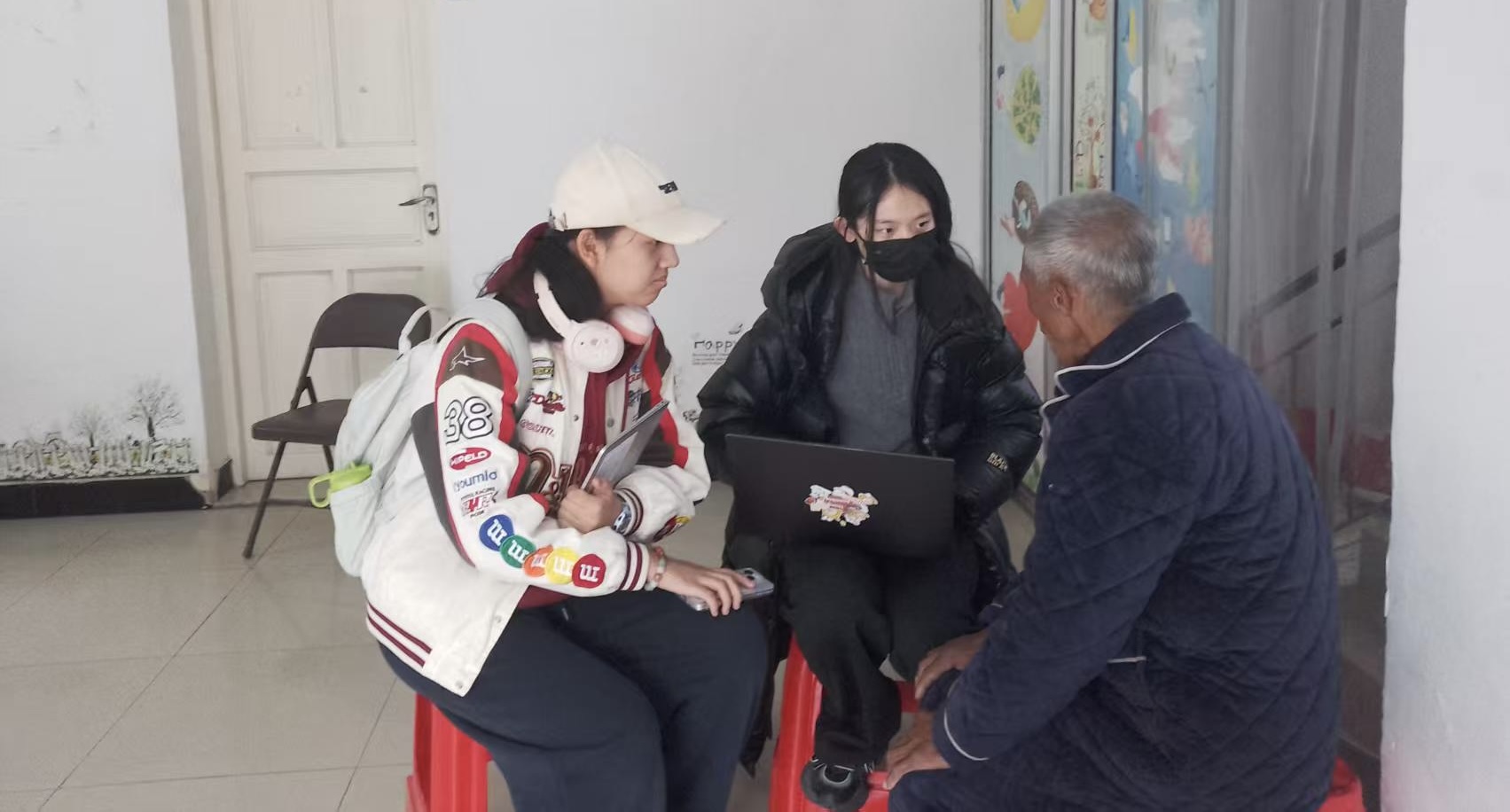
The hidden cost became personal.
There, I came to understand the hidden cost of industrial development through the families I met. Years of work in heavy dust had left miners with irreversible lung damage. Losing the ability to work meant losing an income; illness pushed families into poverty and disrupted their children’s education.
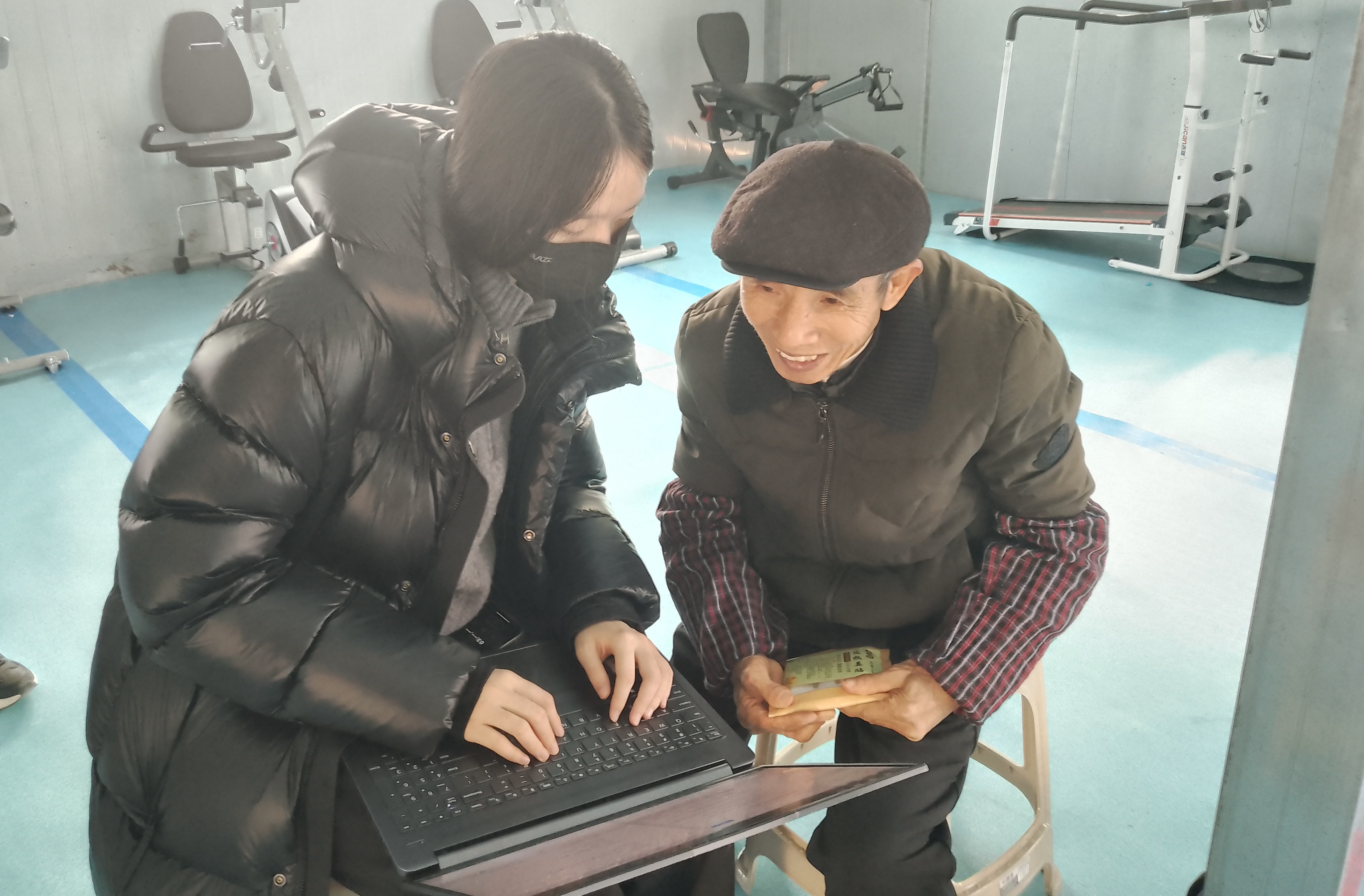
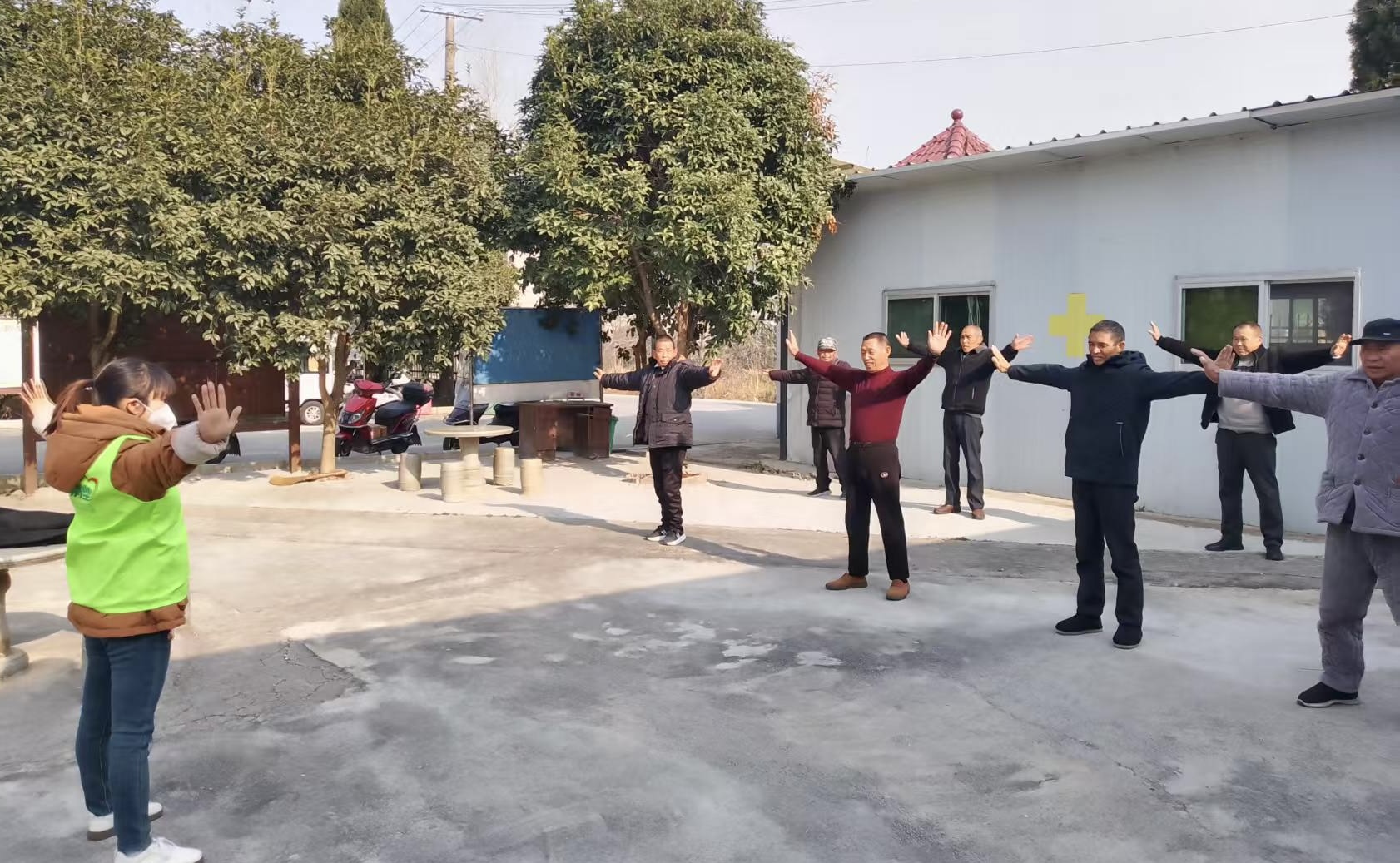
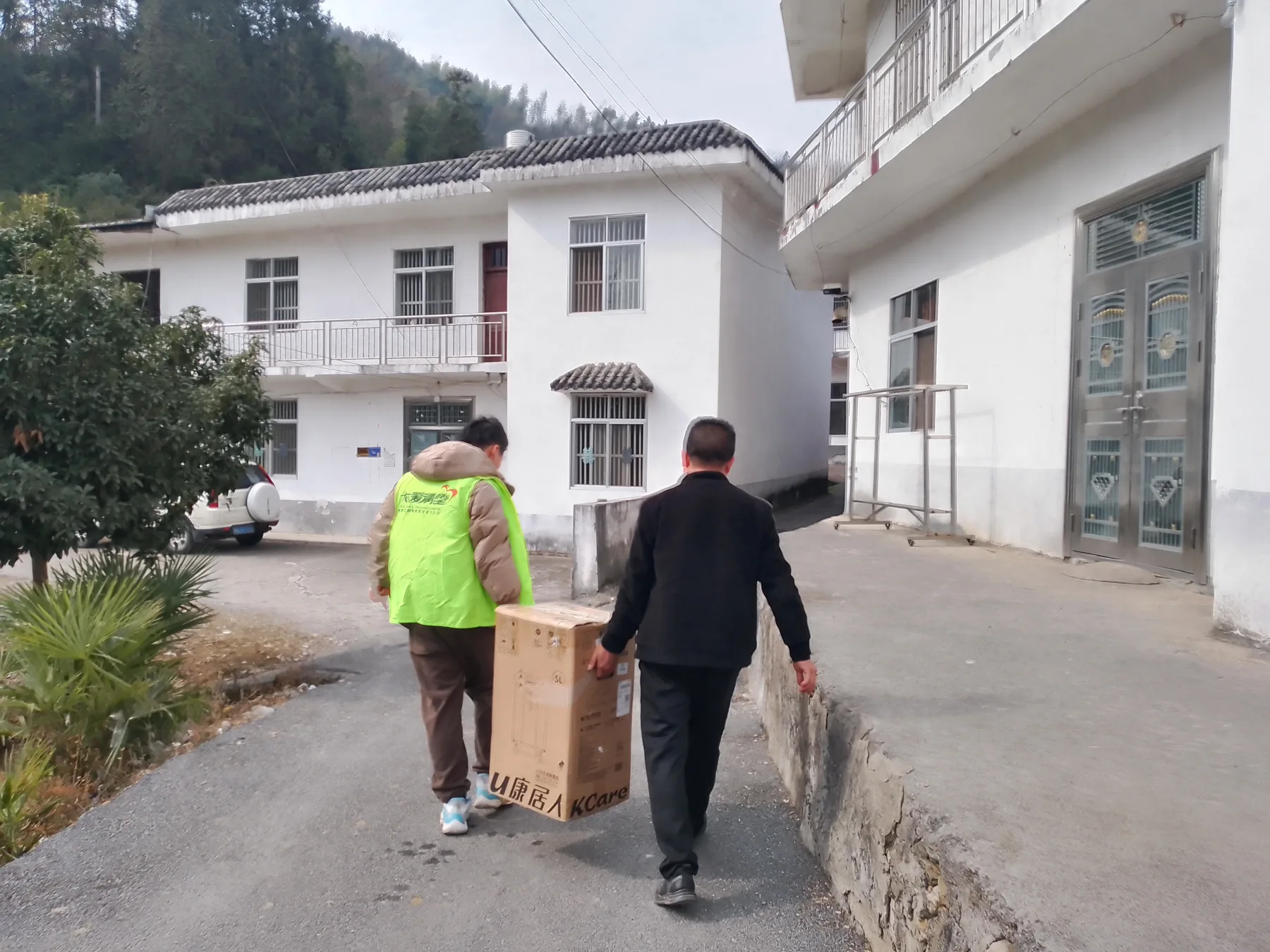
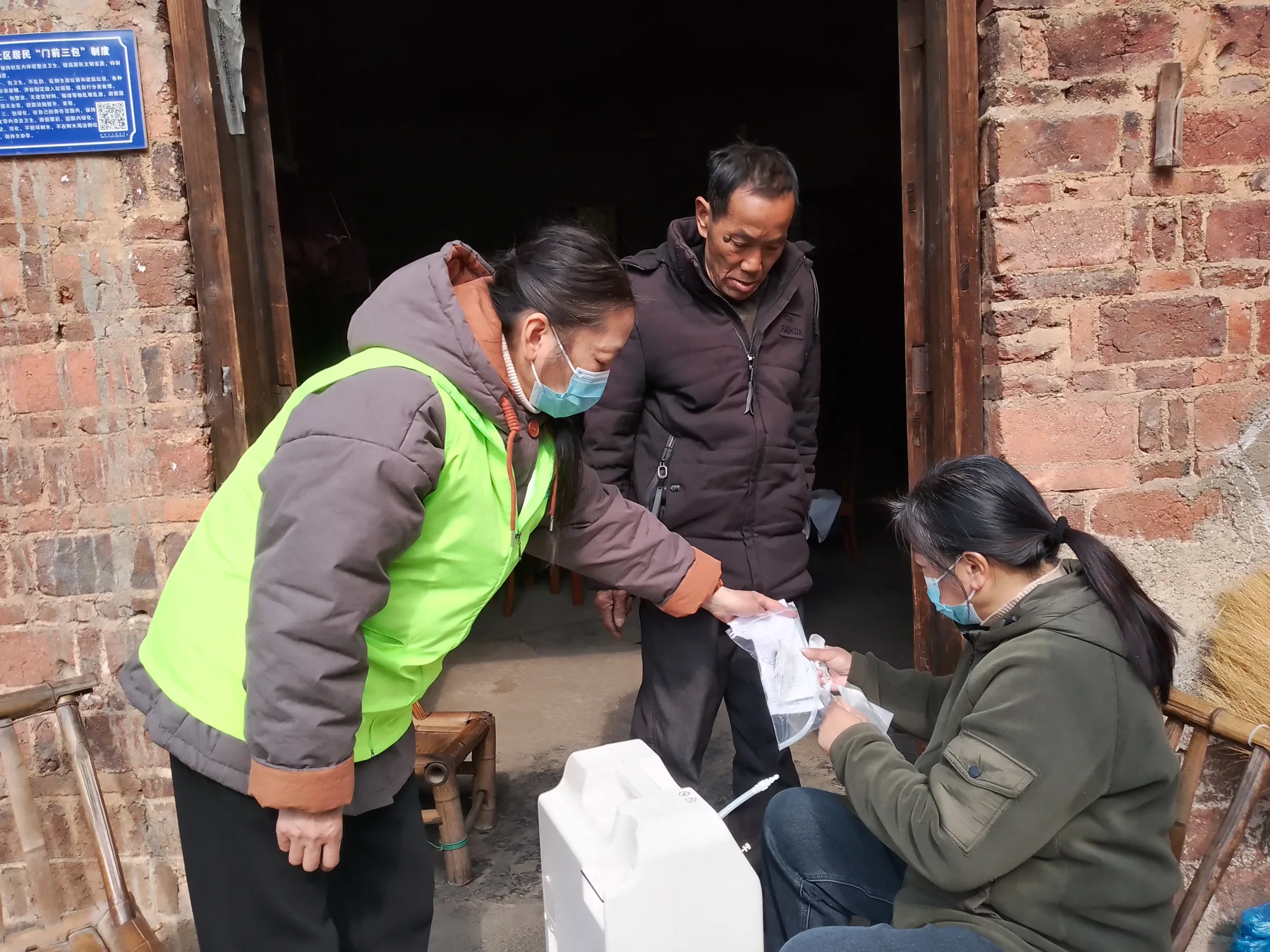
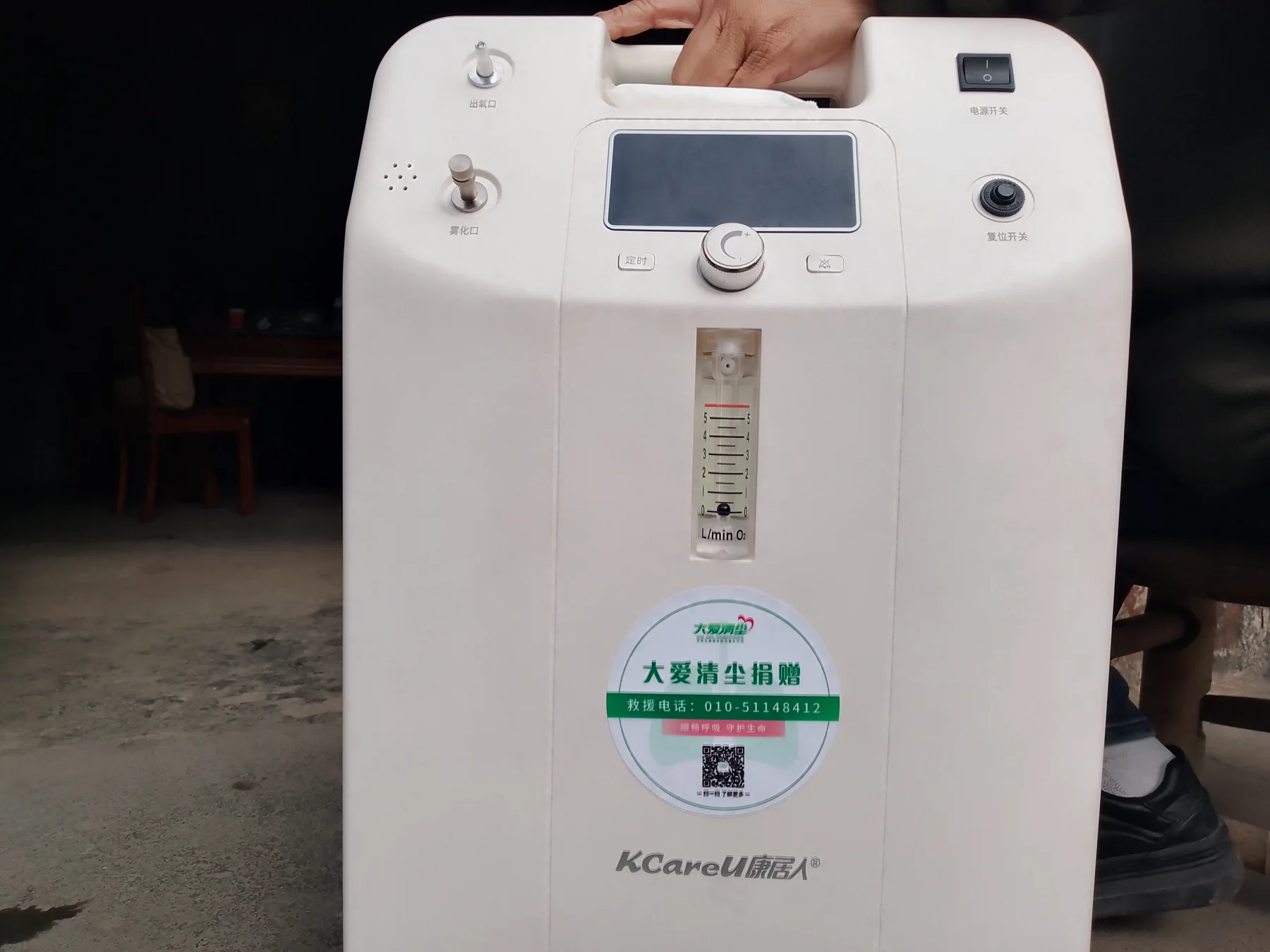
Sustaining care beyond a visit.
Listening to families deepened my commitment to practical care. I organized campus fundraising to help provide oxygen concentrators and living subsidies to 16 low-income families.
We continued peer-support and rehabilitation-care activities at four rehabilitation centers. We aimed to provide practical, sustained support, grounded in what families told us they needed.
- 11 families
- Visited and interviewed
- 16 households
- Oxygen equipment and living subsidies
- 4 centers
- Ongoing rehabilitation care
02 / The response / Research & engineering
Making the invisible measurable.
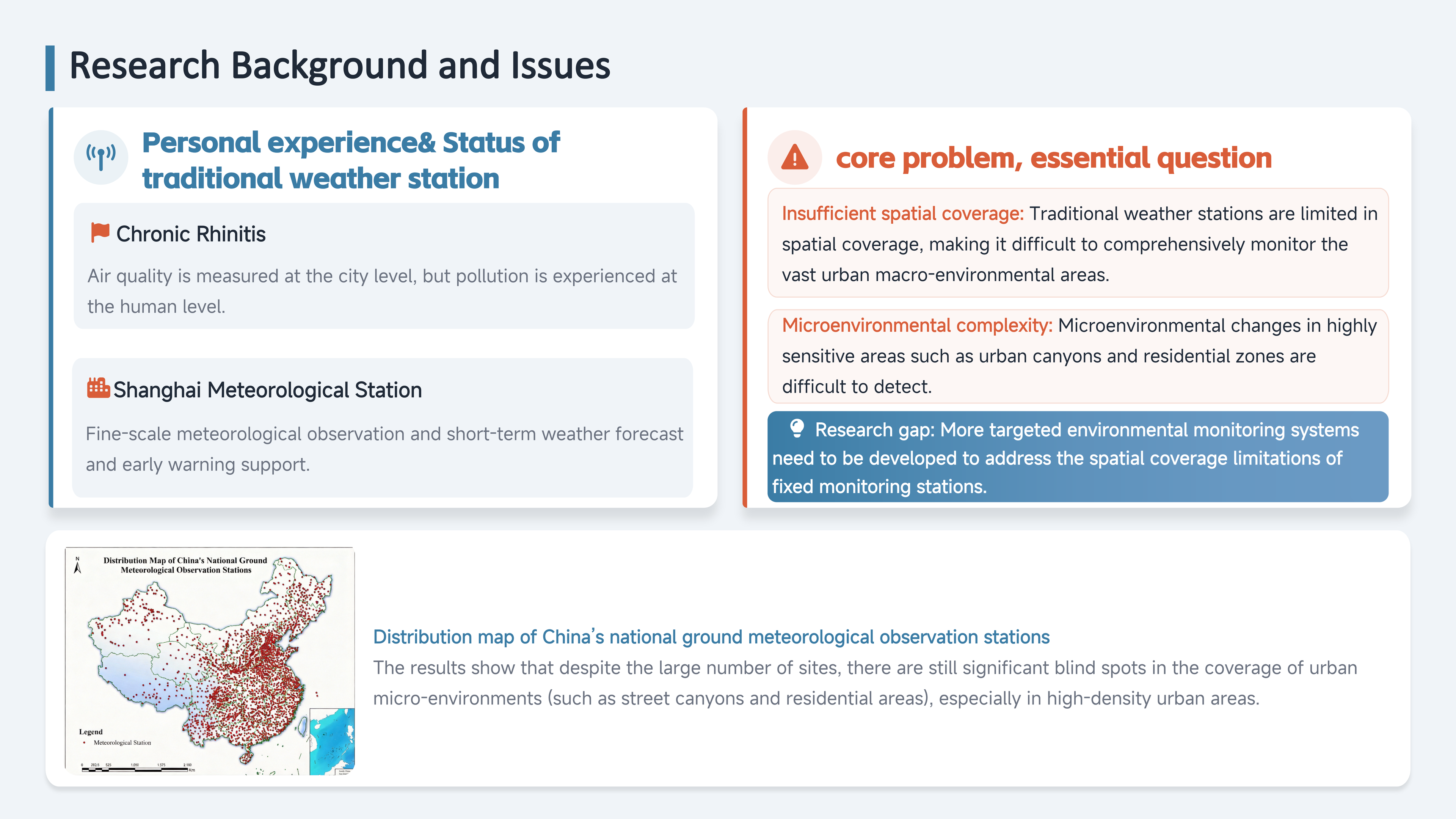
My fieldwork in Pingxiang and Chongqing exposed the limits of citywide air-quality averages. They could not explain the enormous differences in exposure between people living and working in the same city.
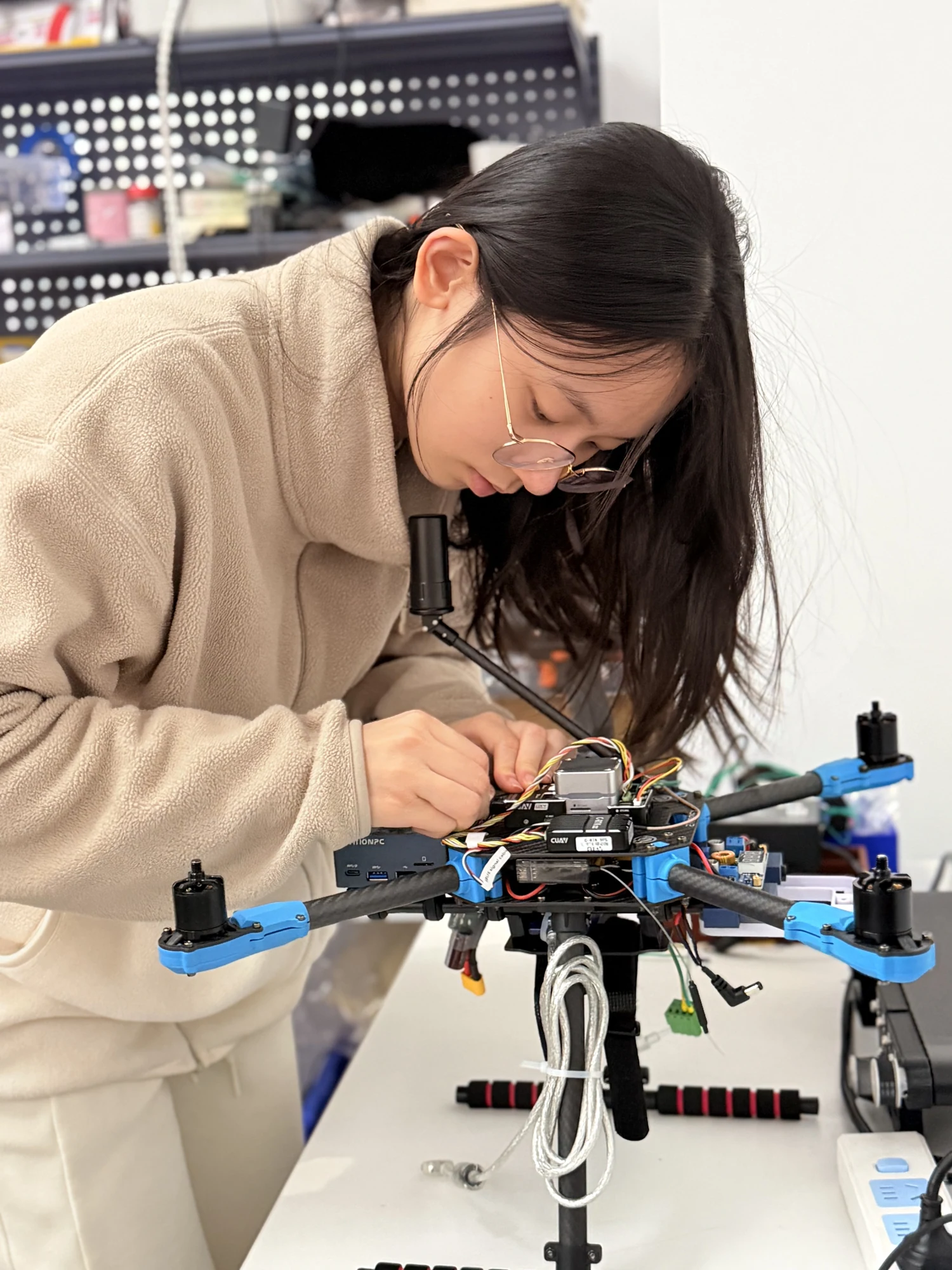
In response, I initiated a project and led a team developing low-cost drone air-monitoring equipment and portable breathing aids.
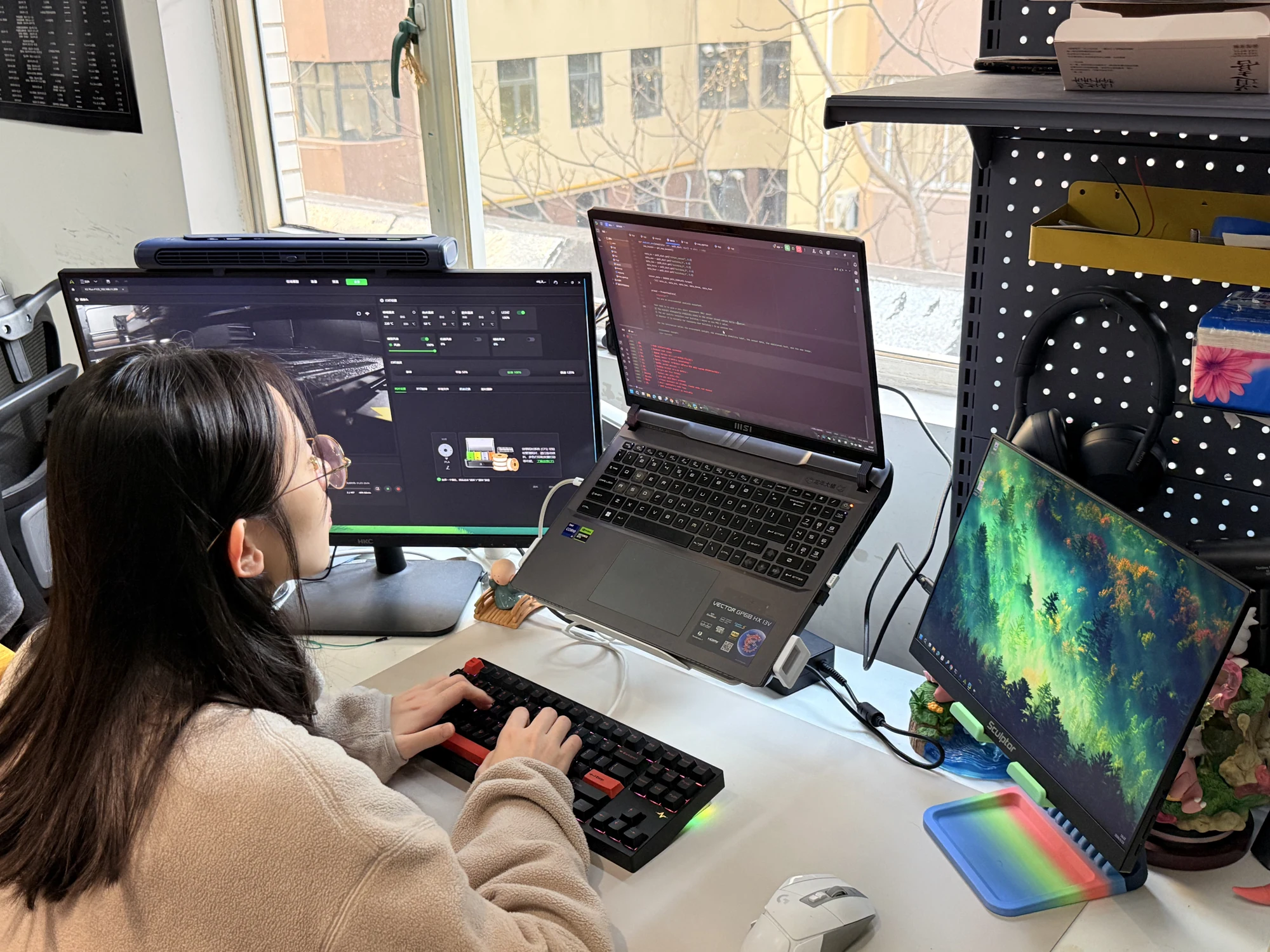
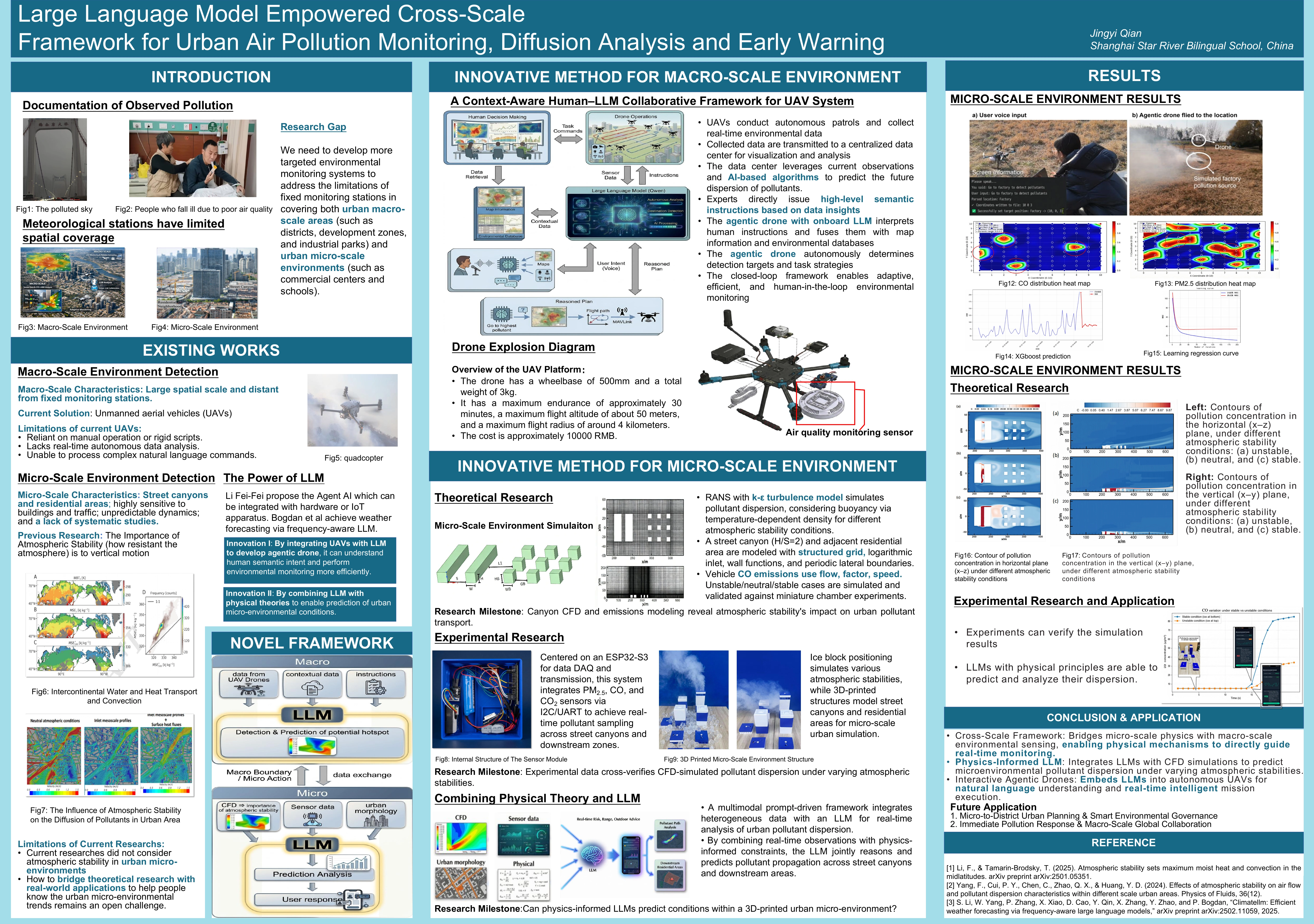
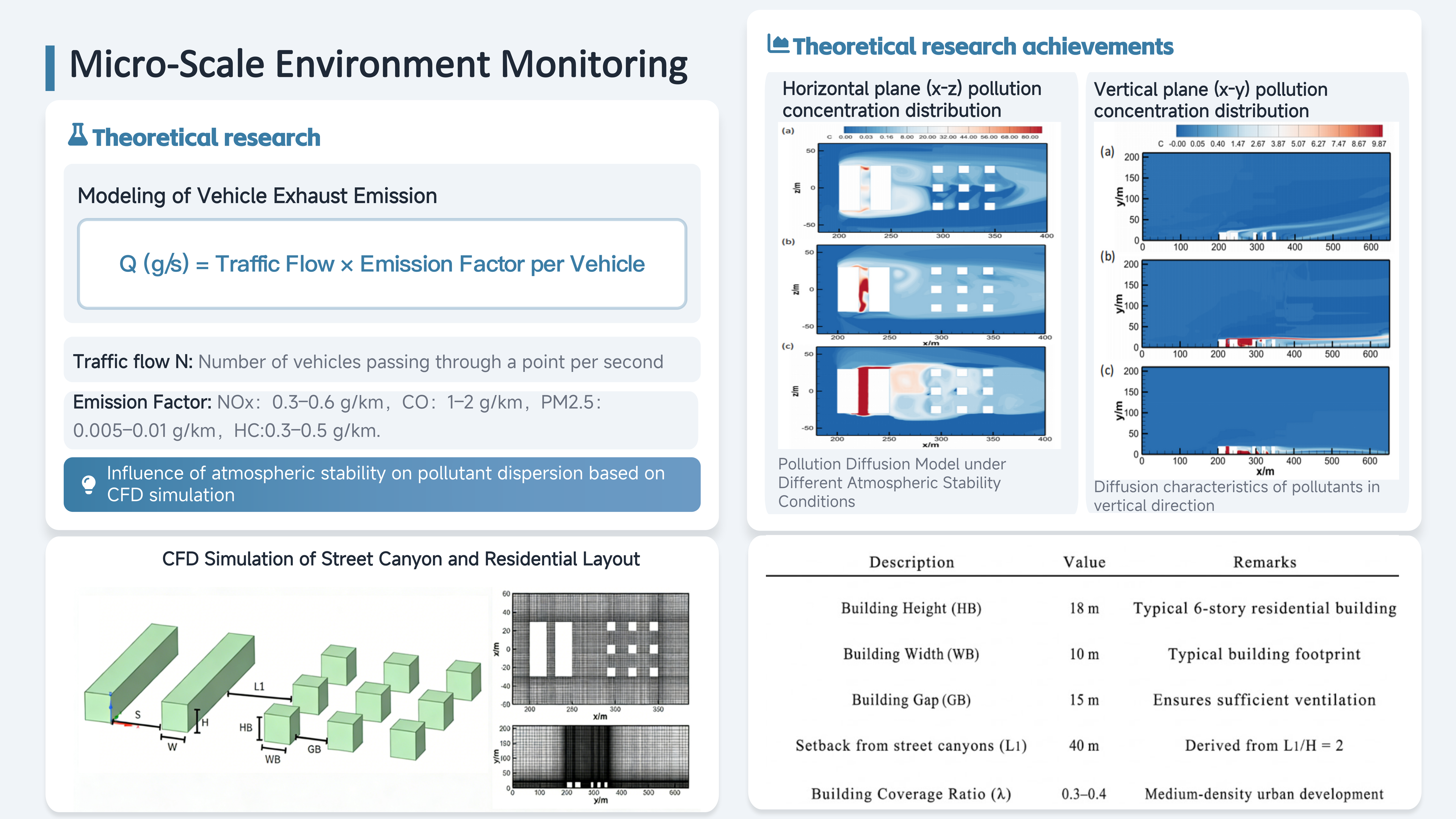
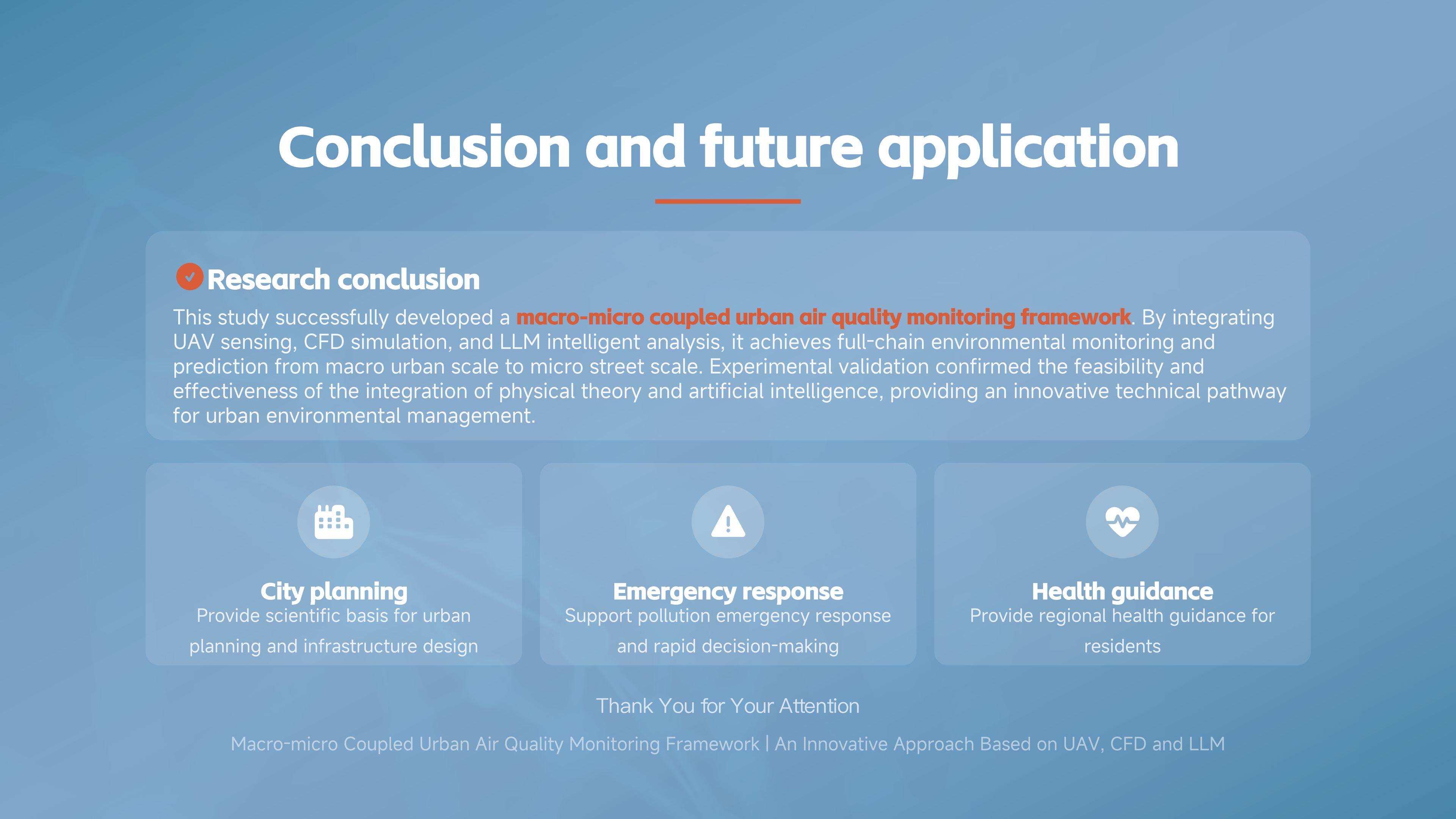
I began independent research into cross-scale urban microclimates and air pollution, building a monitoring and early-warning framework around vulnerable communities. It connects mobile sensing, prediction, and accessible alerts to make local exposure visible. The research was accepted by GTREE 2026.
Connect the city to the street.
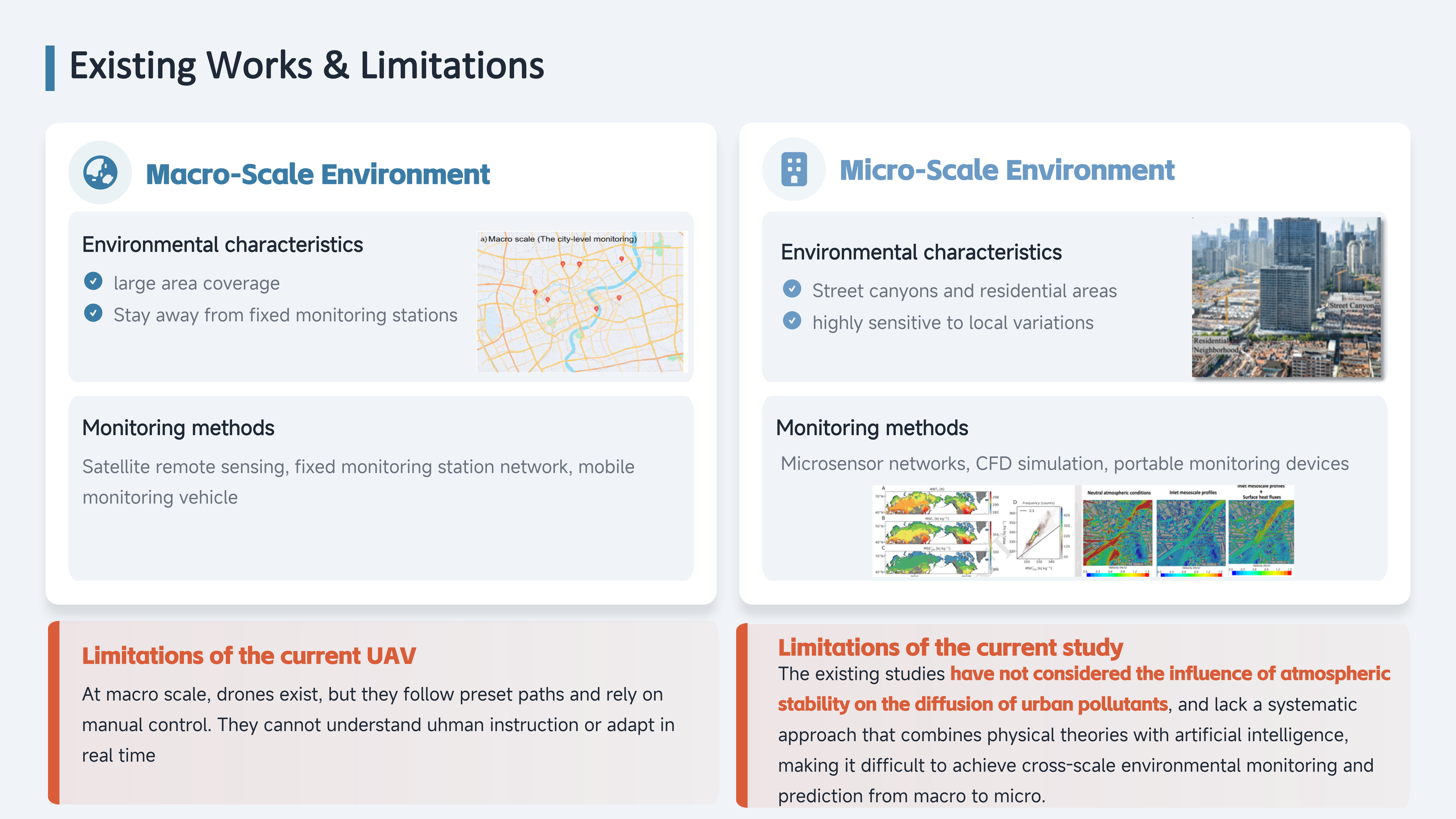
My fieldwork made unequal pollution exposure tangible. Fixed stations describe citywide air quality, but they cannot show every street canyon or the conditions around an individual home.
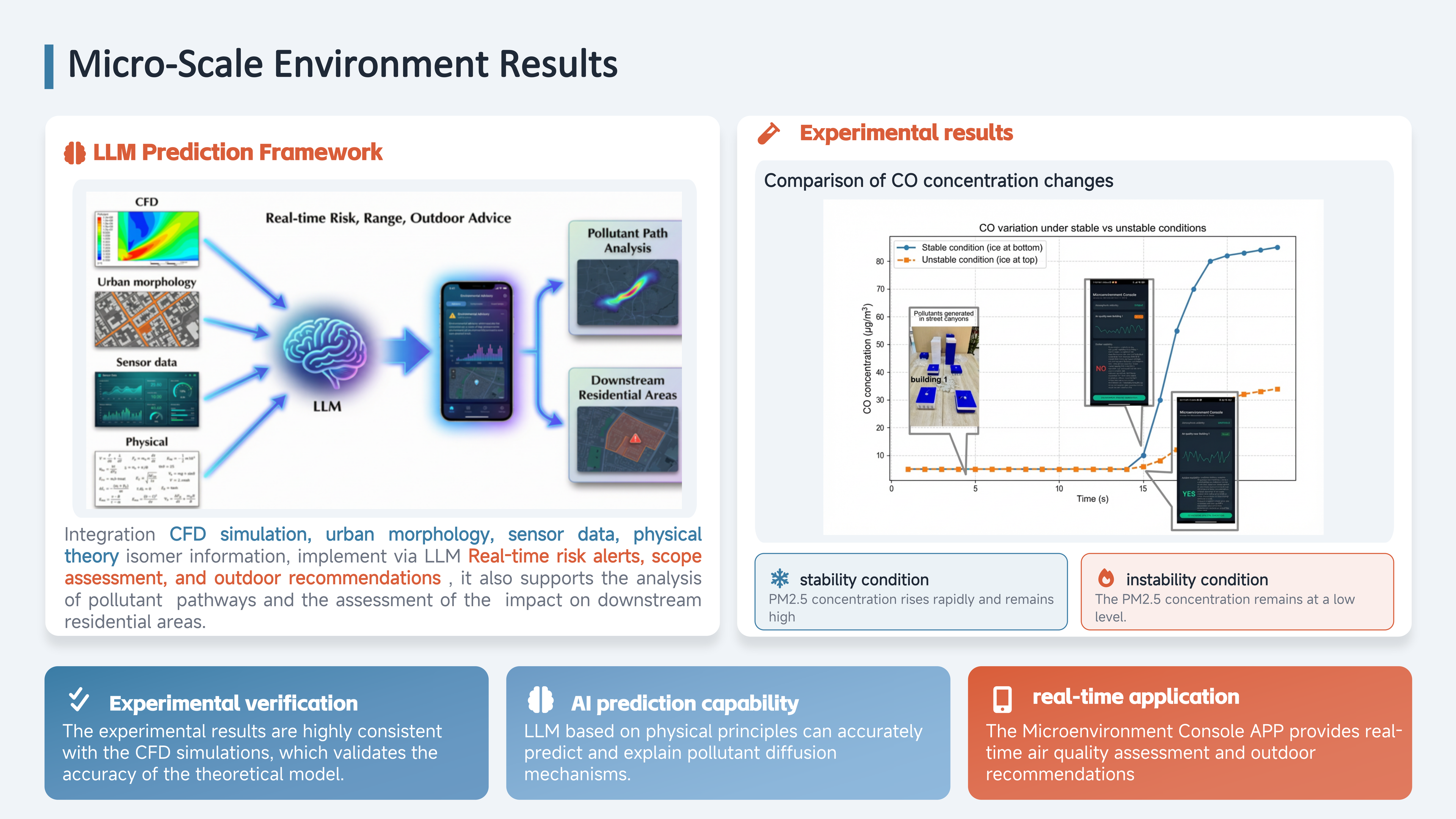
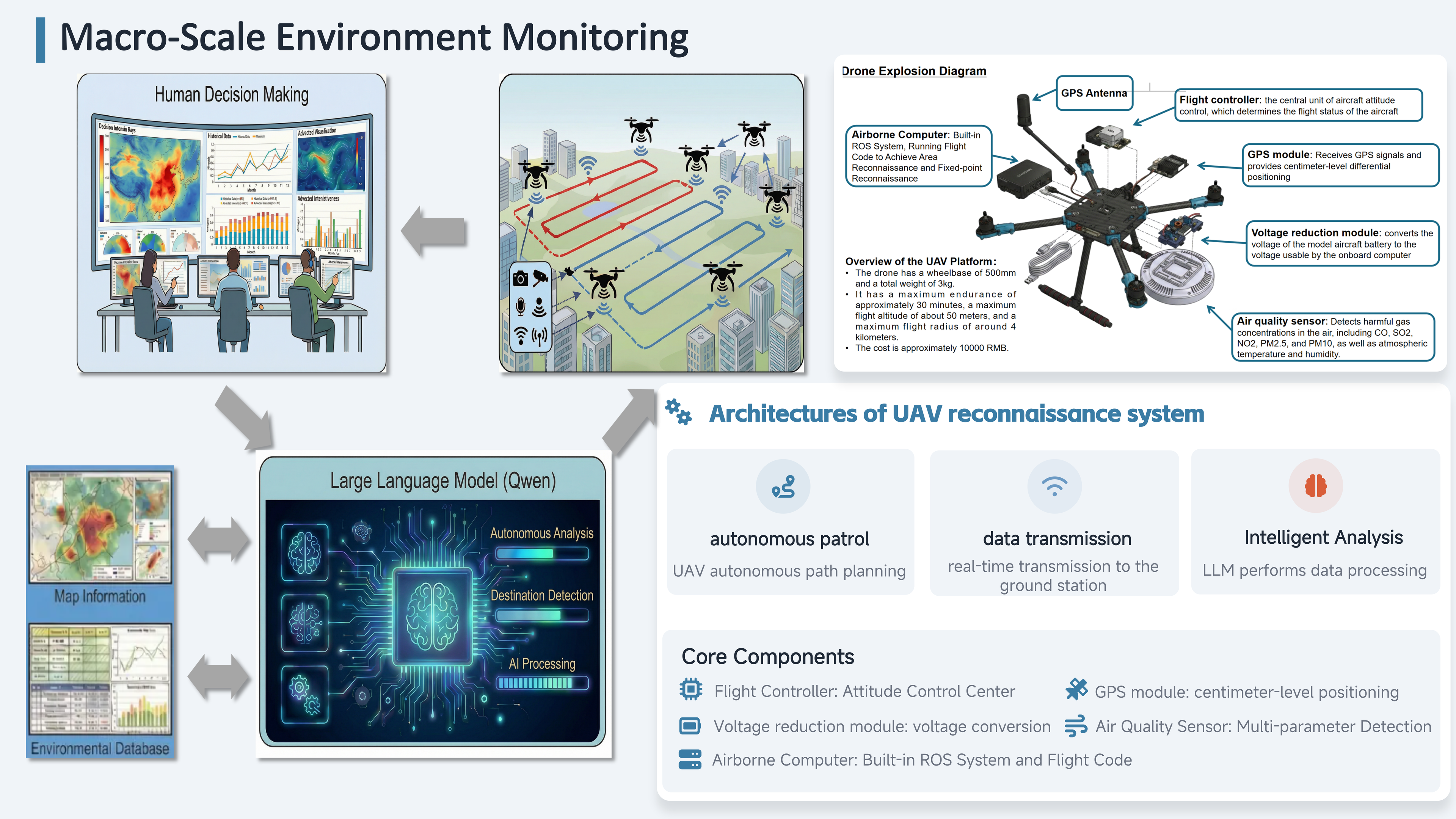
In my research, I combined mobile UAV sensing with physical simulation. Drone measurements locate pollution hotspots; XGBoost forecasts short-term concentration changes. Language-model interaction translates instructions and measurements into accessible explanations, while a mobile app delivers targeted alerts.
From the workbench to flight.
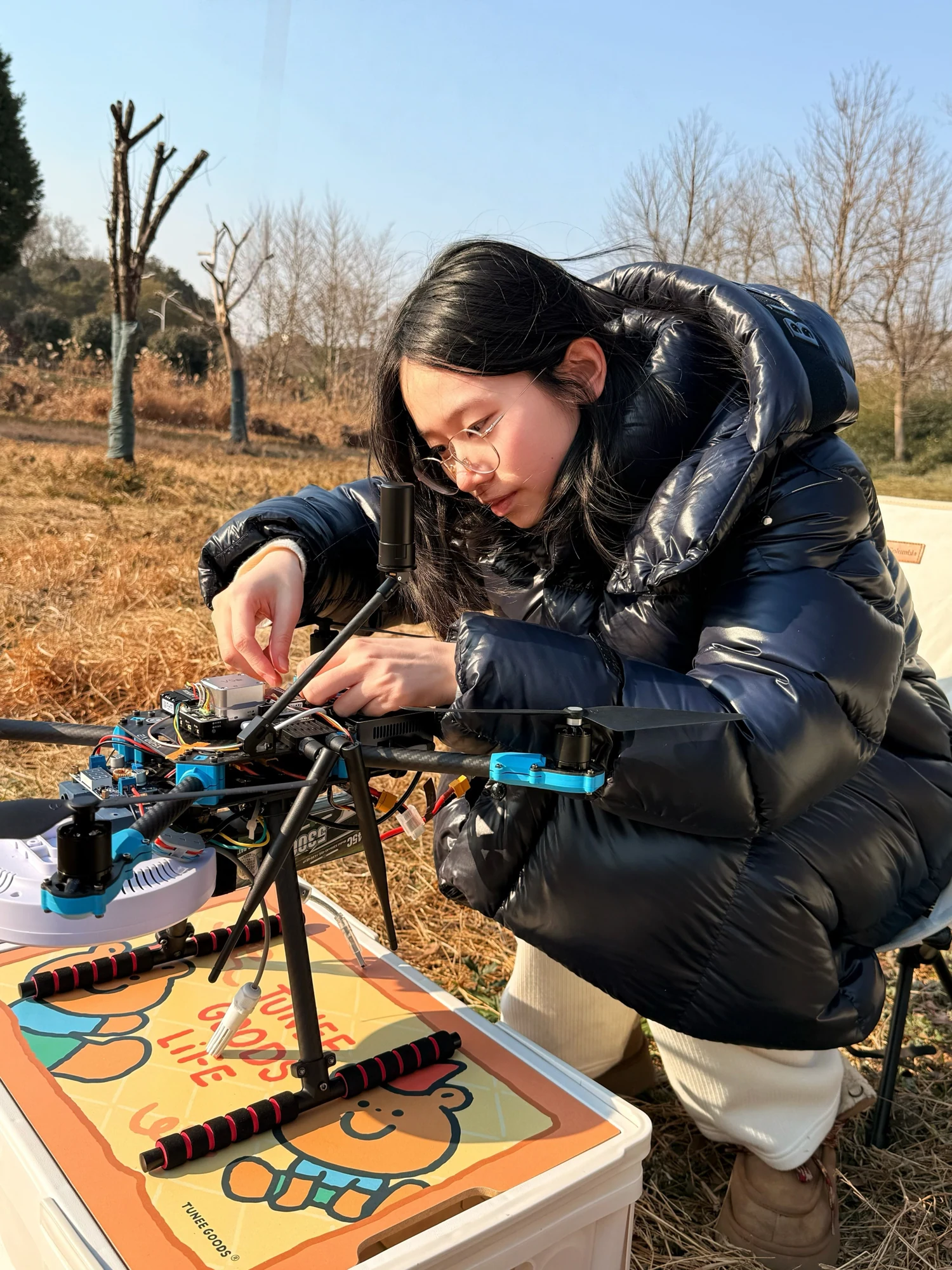
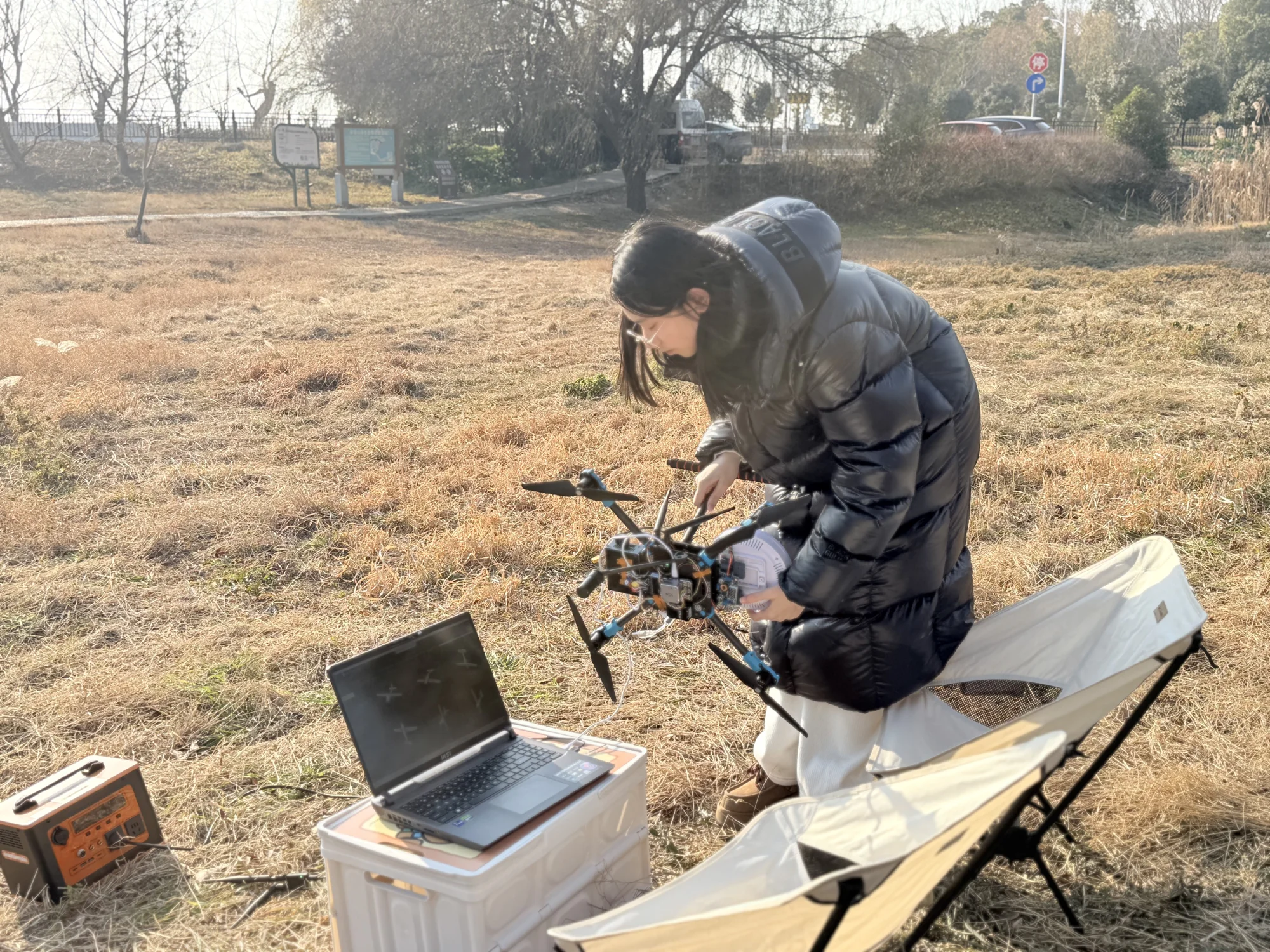
Drone-based sensing moves monitoring beyond fixed stations. I worked on the sensing platform, prepared it outdoors, and checked the components directly during field trials.
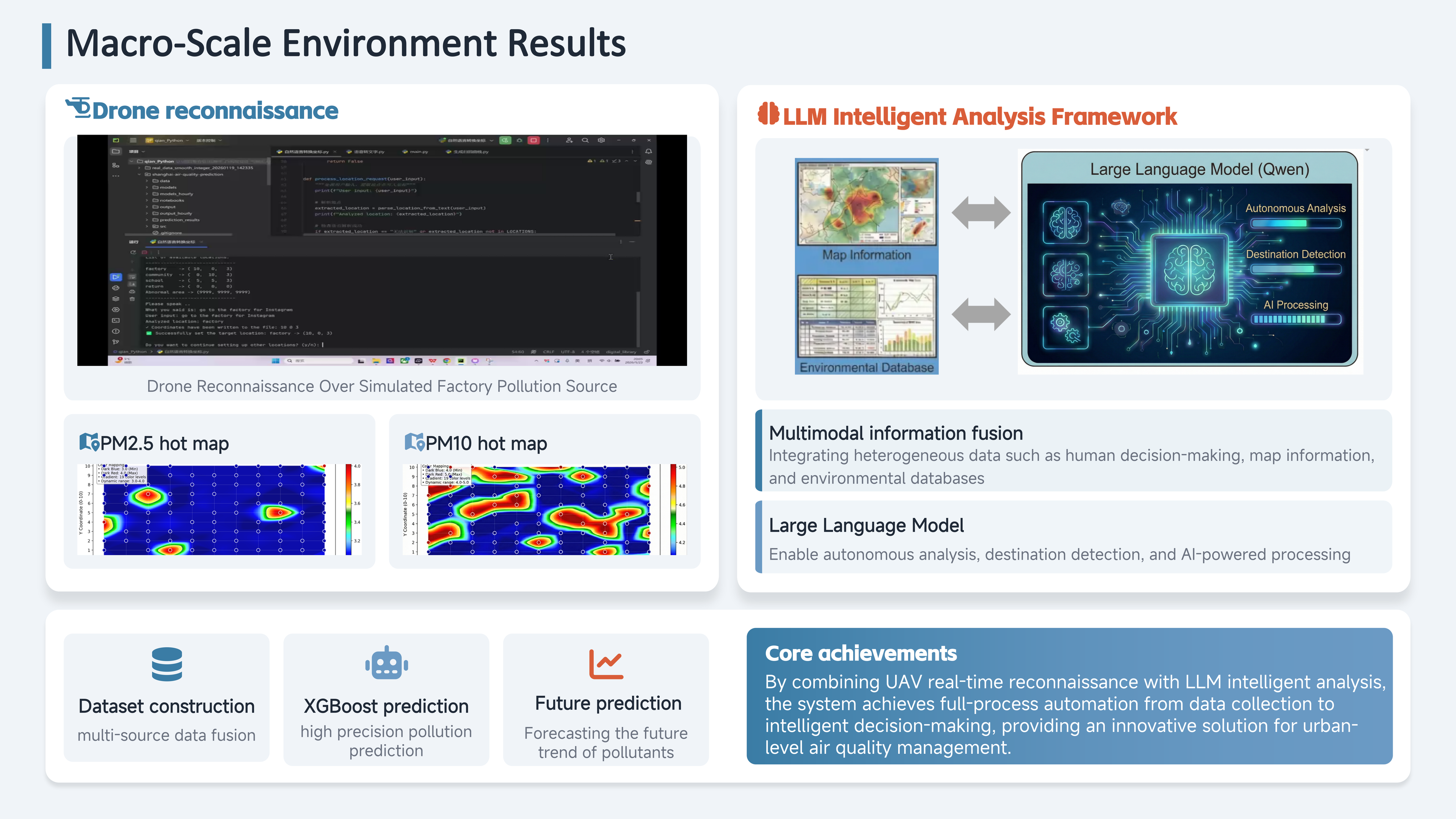
Reconnaissance, mapped concentration data, forecasting, and language-model interpretation form one workflow for investigating local pollution sources.
A simulated source. An actual flight.
Our demonstration begins with a destination-to-coordinates command, followed by a drone taking off beside a simulated pollution source. It shows how our monitoring instructions translate into field actions.
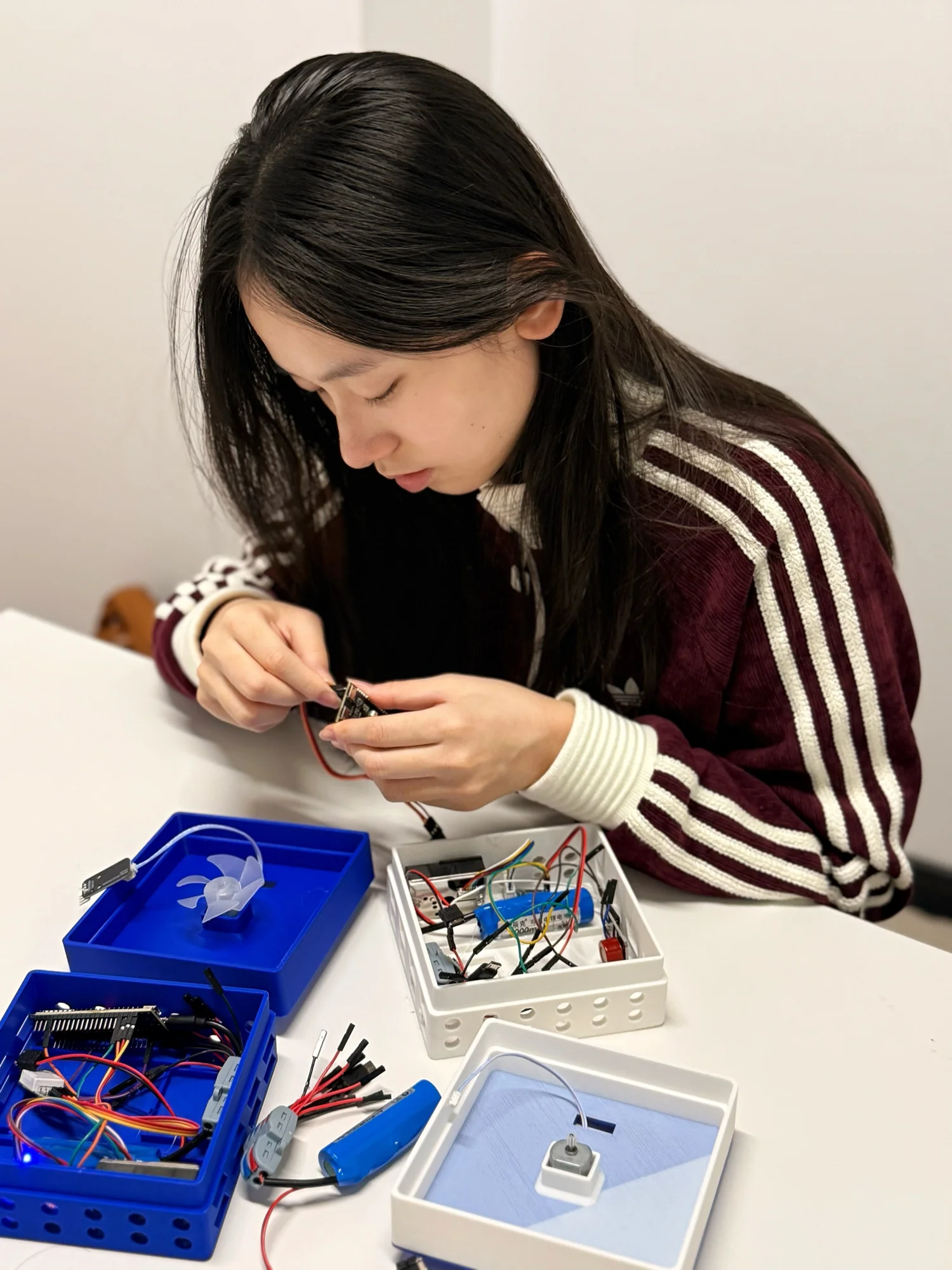
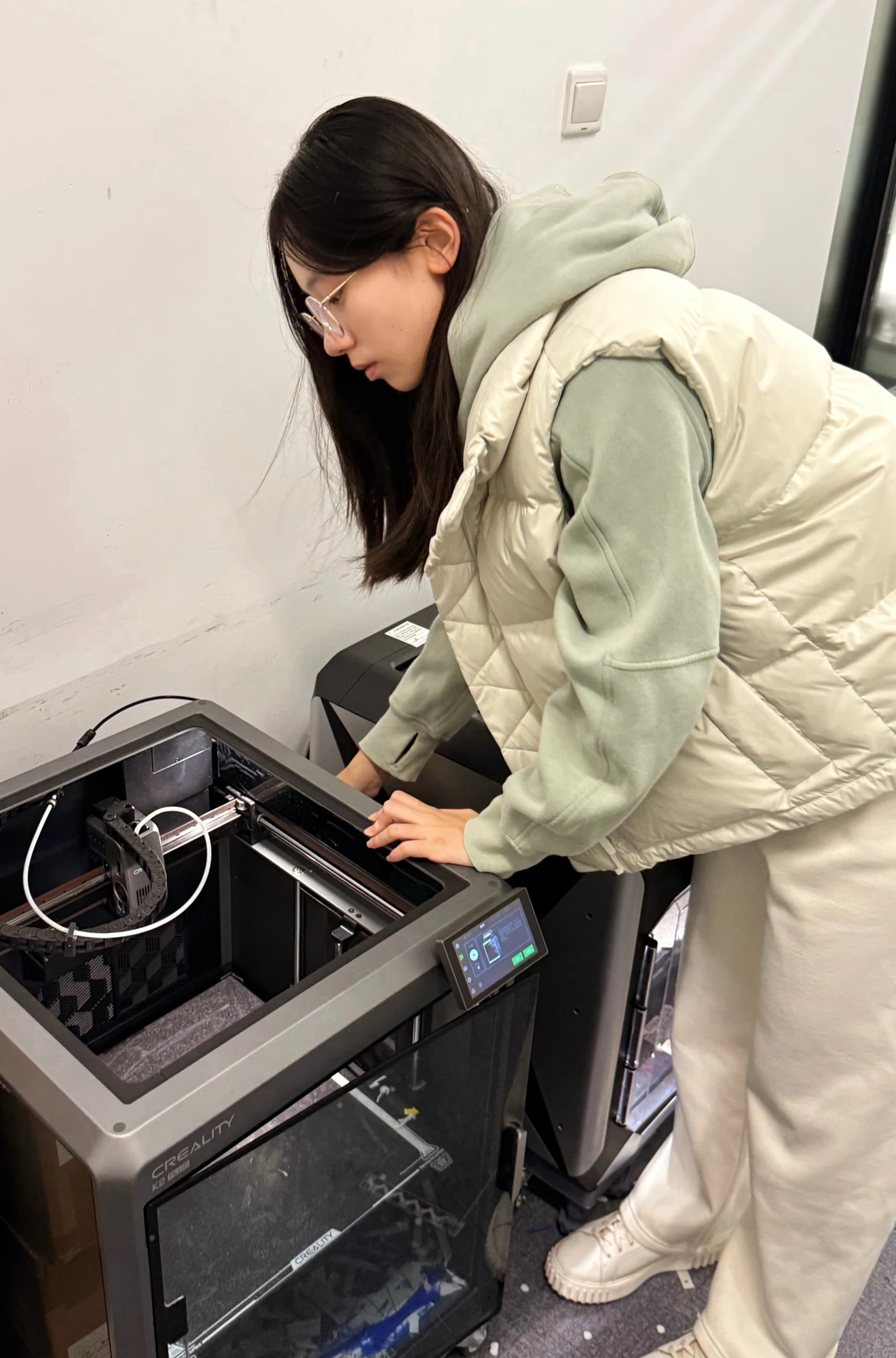
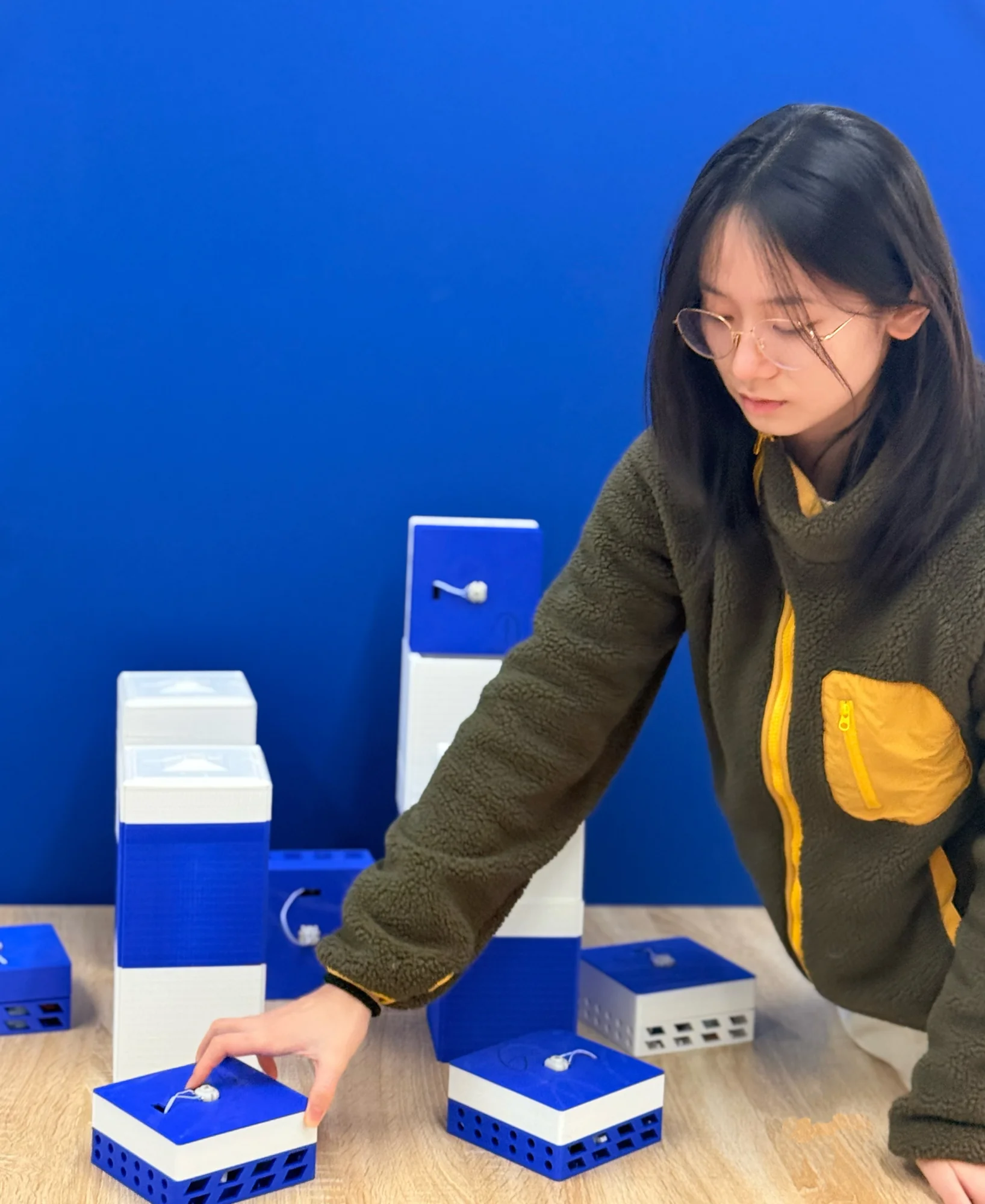
Build a smaller world. Study what moves.
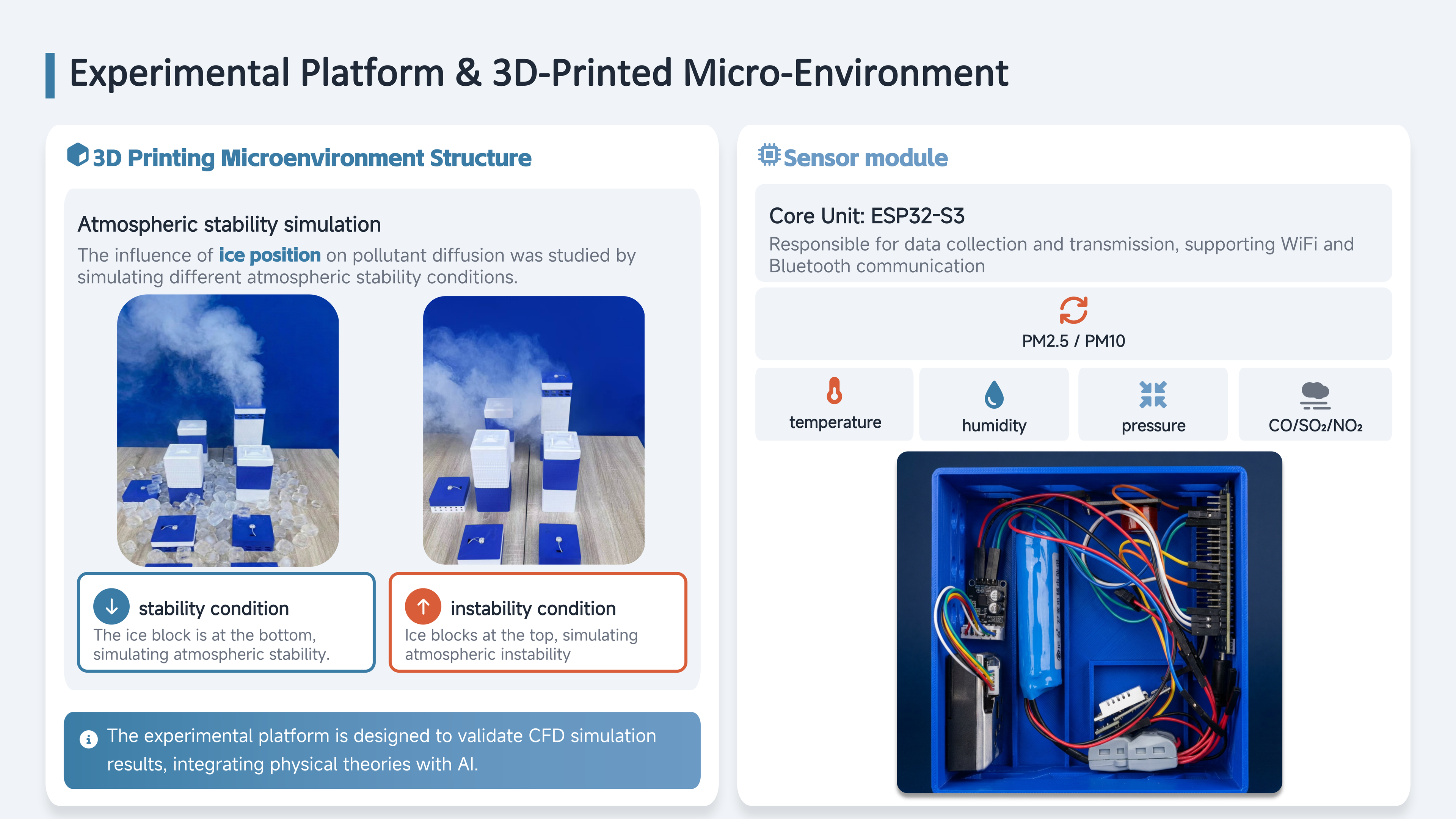
I used RANS and a k–ε turbulence model to trace vehicle emissions and pollutant dispersion across a 0.15 km² street-canyon environment. With a sensor-equipped, 3D-printed model, I compared stable and unstable atmospheric conditions with the CFD results.
I connected sensor assembly, model fabrication, and physical testing in the experimental platform, using its measurements to compare predicted concentration changes with observations.
- 0.15 km²
- Urban street-canyon model
- < 3 min
- Warning response time
- 0.34 m
- Simulated source localization
These are the performance results I report in my paper, alongside the full experimental conditions.
02.6 / Paper & project record
The work behind
the numbers.
In my paper, I document the methods, experimental conditions, and results of my research. The paper was accepted by GTREE 2026.
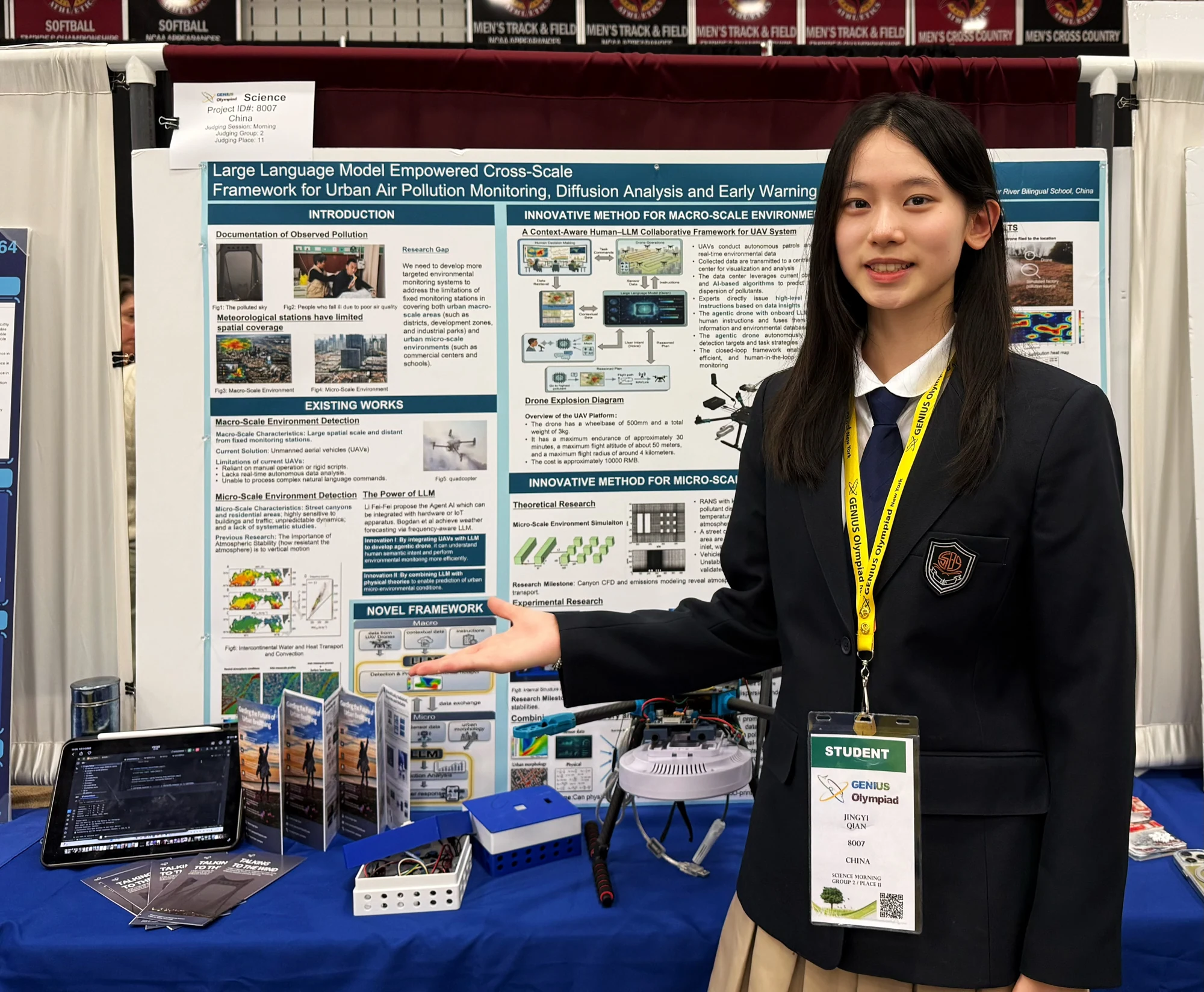
Research poster / The complete framework
Click to enlarge
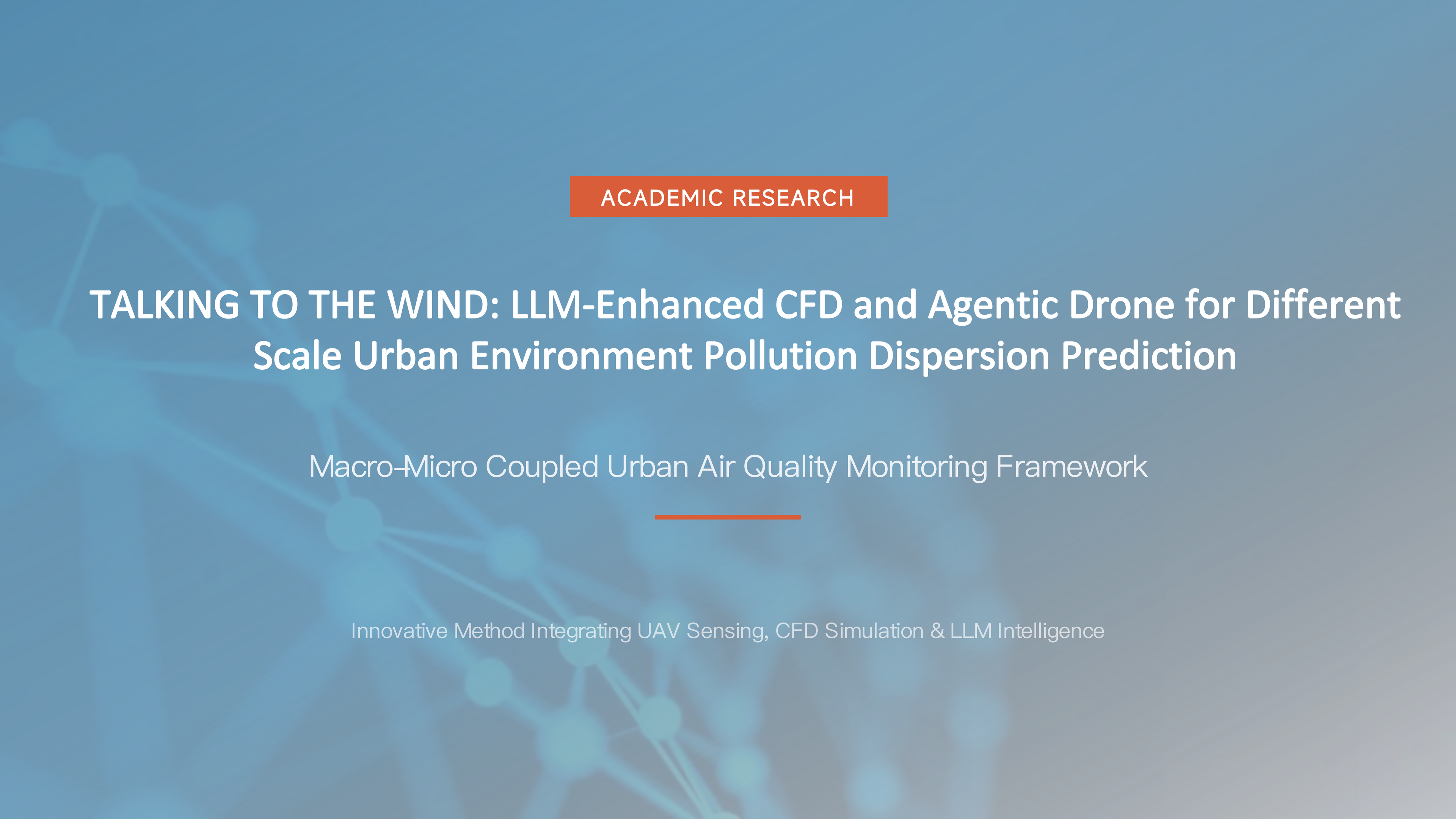
Presentation / 10 slides
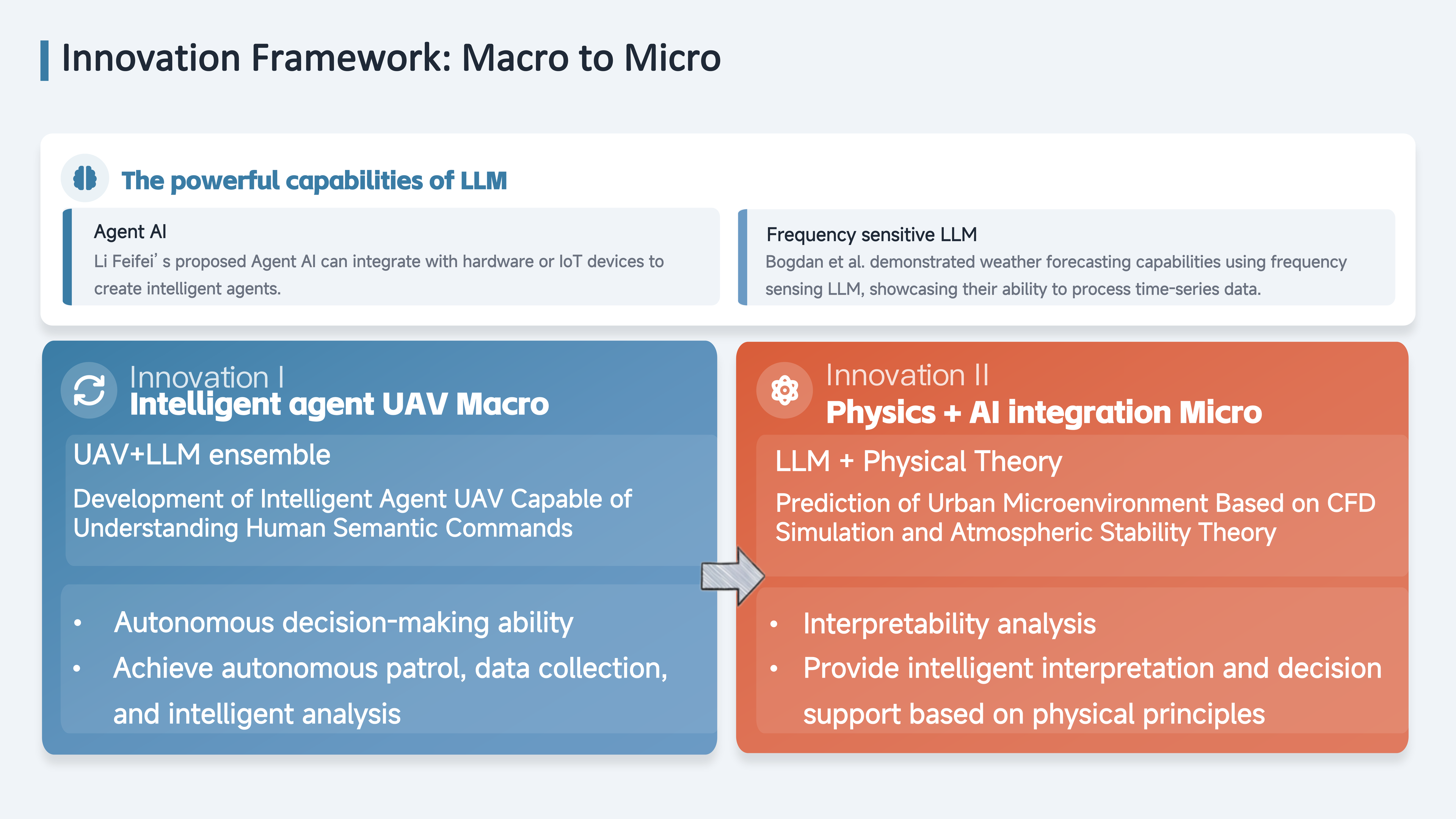
Selected slides · Click to enlarge
03 / The realization / Beyond technology
A warning cannot undo a lifetime.
Seeing the limits of a technical response
“Even the most precise technology can address future risks. It cannot heal suffering that has already happened.”
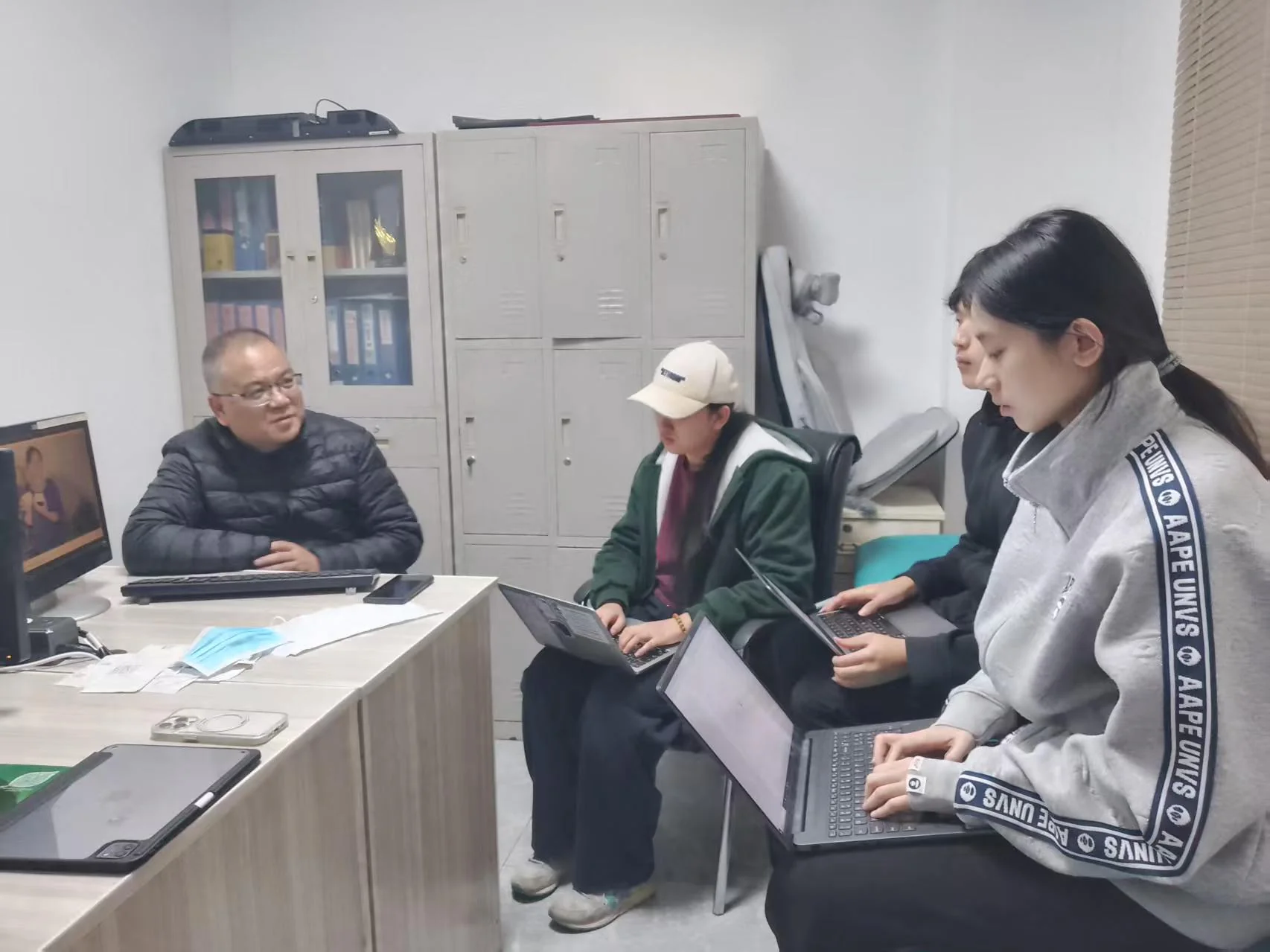
The longer I worked with miners, the clearer the limits of my technical response became.
Equipment could ease a difficult breath. A monitoring system could warn of a pollution risk. Neither could, on its own, change the institutional barriers these families faced.
In our conversations, miners described missing employment records and difficulty finding a formal application pathway. Even with a diagnosis, they struggled to secure work-injury compensation and long-term medical support.
From technical innovation to rights advocacy.
What they needed extended beyond monitoring tools: recognition of their work, access to their rights, and a dependable system of support. I realized that addressing environmental injustice meant engaging with the exclusion that kept them unprotected.
I documented the difficulties miners faced, contacted local administrative departments, and helped families organize application materials and navigate policy channels in pursuit of medical subsidies and support for their rights.
04 / The voice / United Nations climate conference
From a mining town to a global conversation.
Bringing the mining communities’ experiences to Bonn
Helping one household mattered. But individual support and case-by-case advocacy could not, alone, change the wider invisibility of these communities.
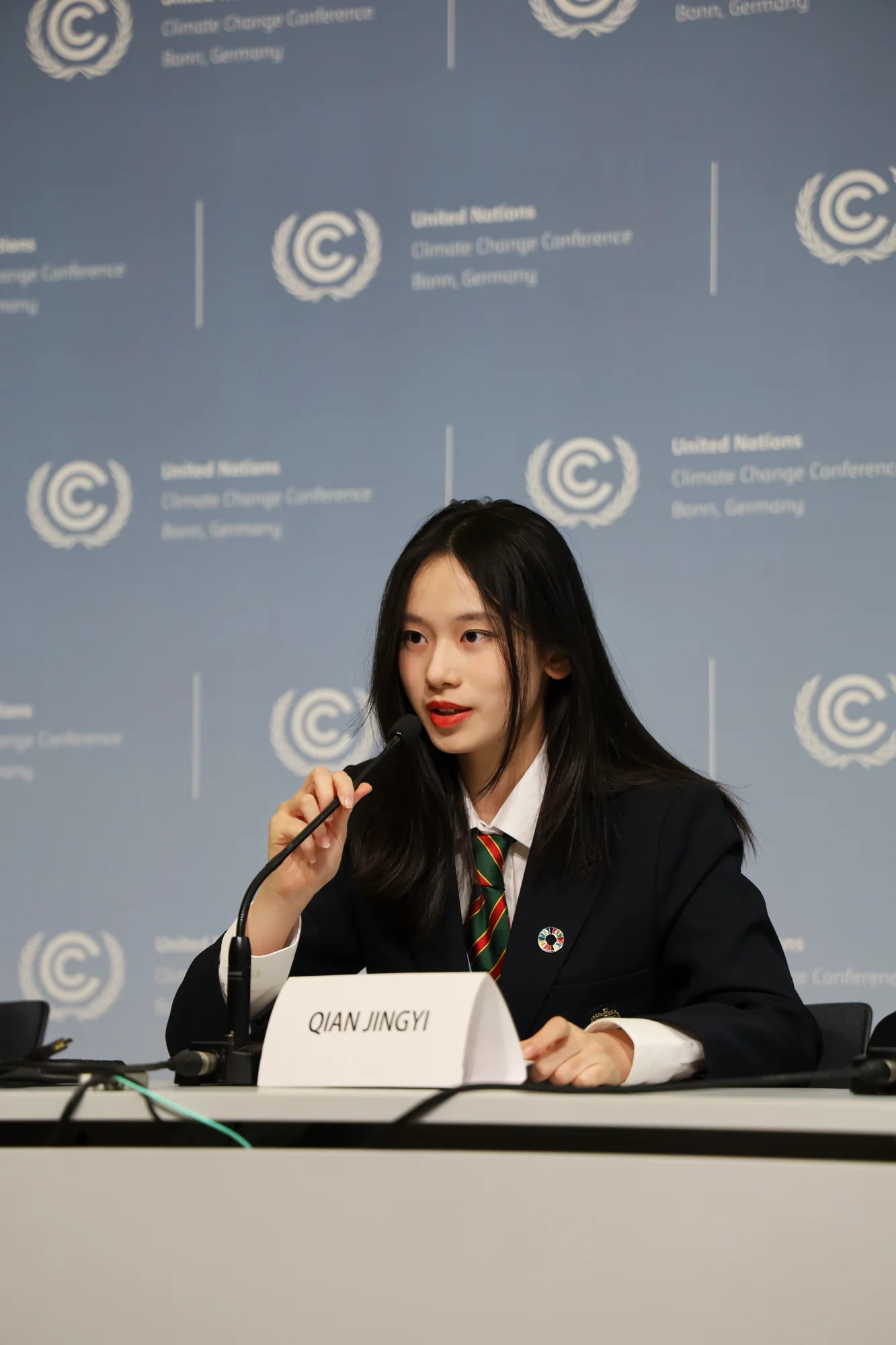
I sought opportunities to bring their experiences into public discussion, eventually attending the United Nations climate conference as the only high-school youth representative from China.
Speaking for the right to clean air
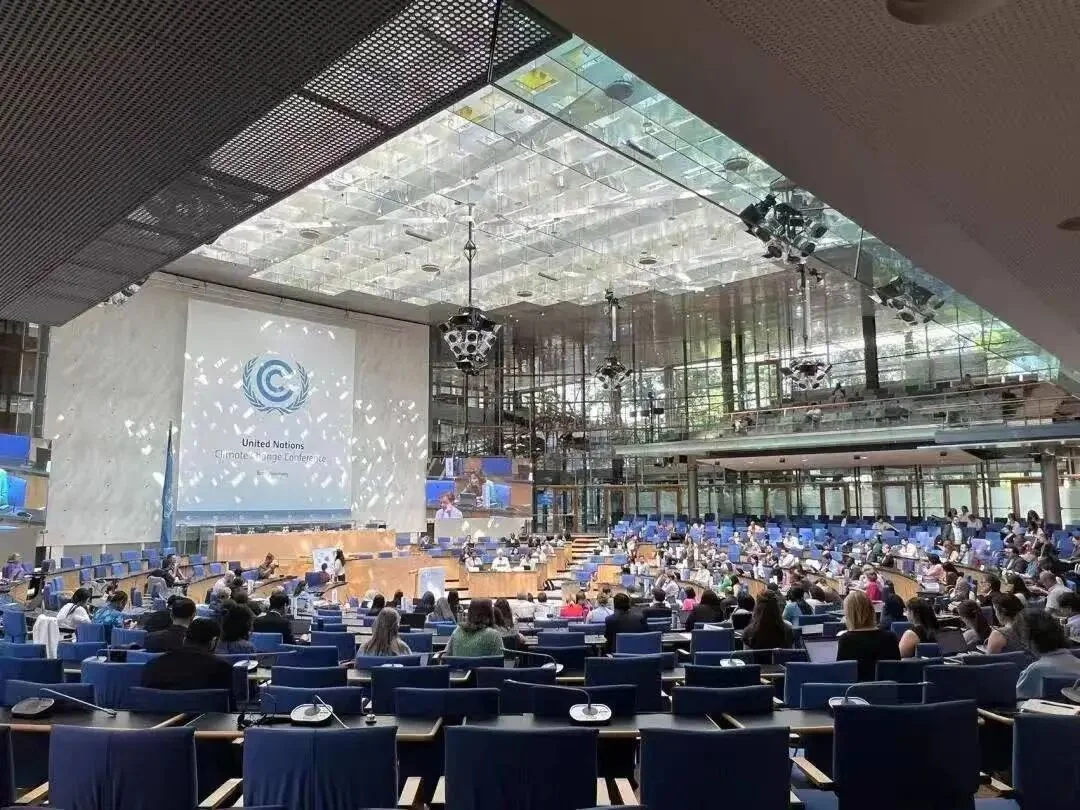
At UNFCCC SB62 in Bonn, I placed mining families’ breathing difficulties and struggles for recognition at the center of my speech. I called for clean air and health to be recognized as basic human rights, and for global climate governance to hear people too often left outside its conversations.
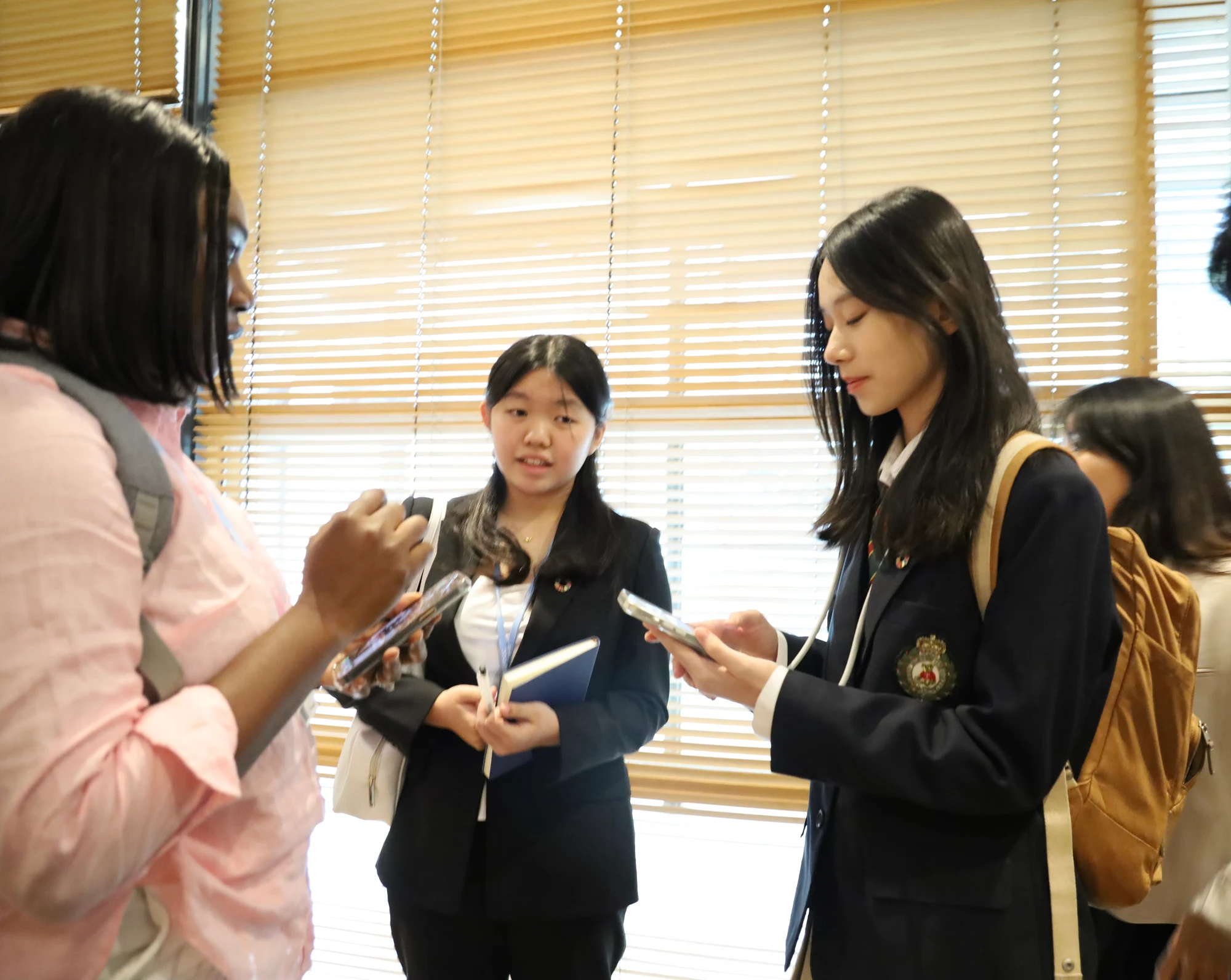
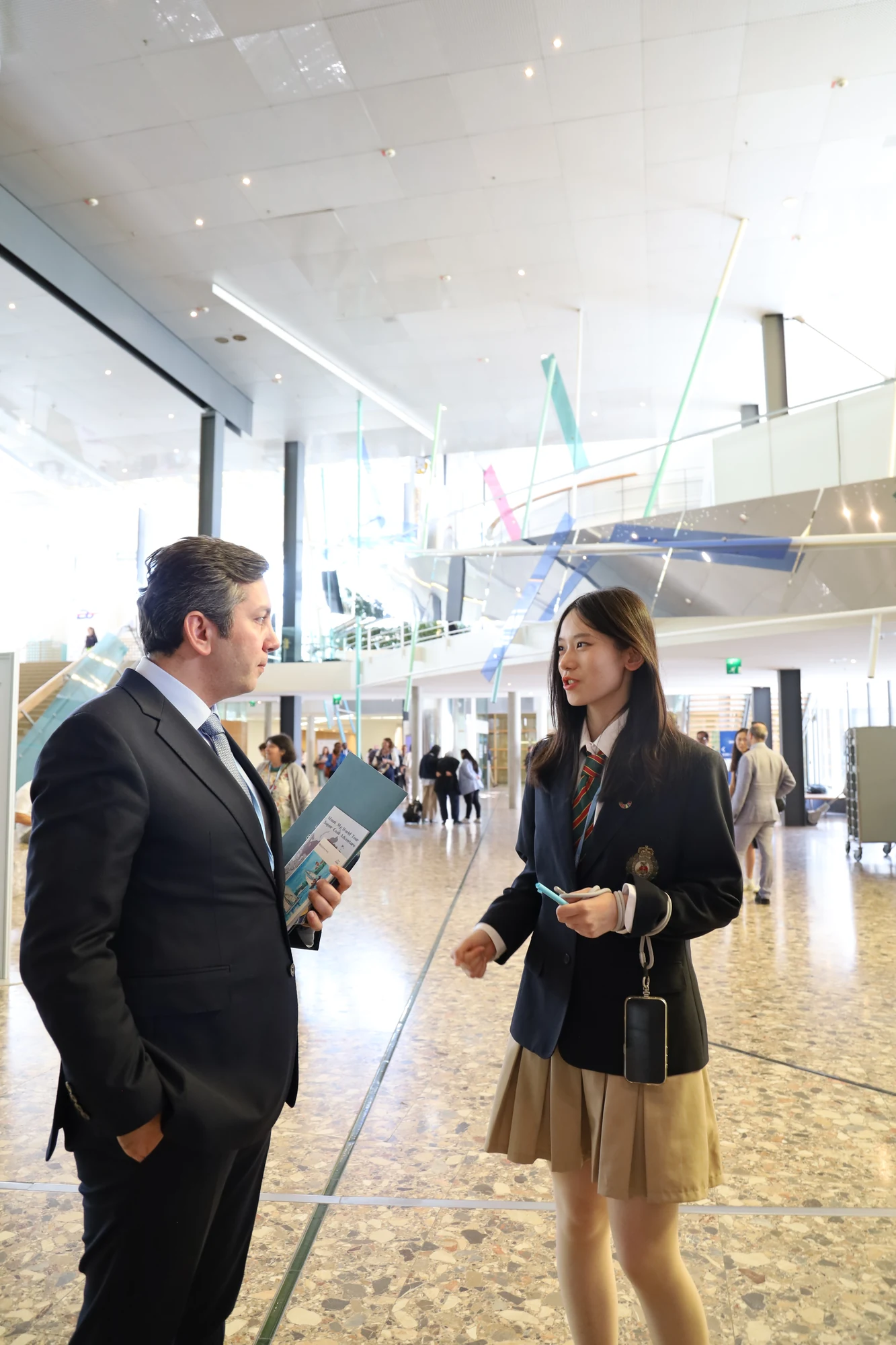
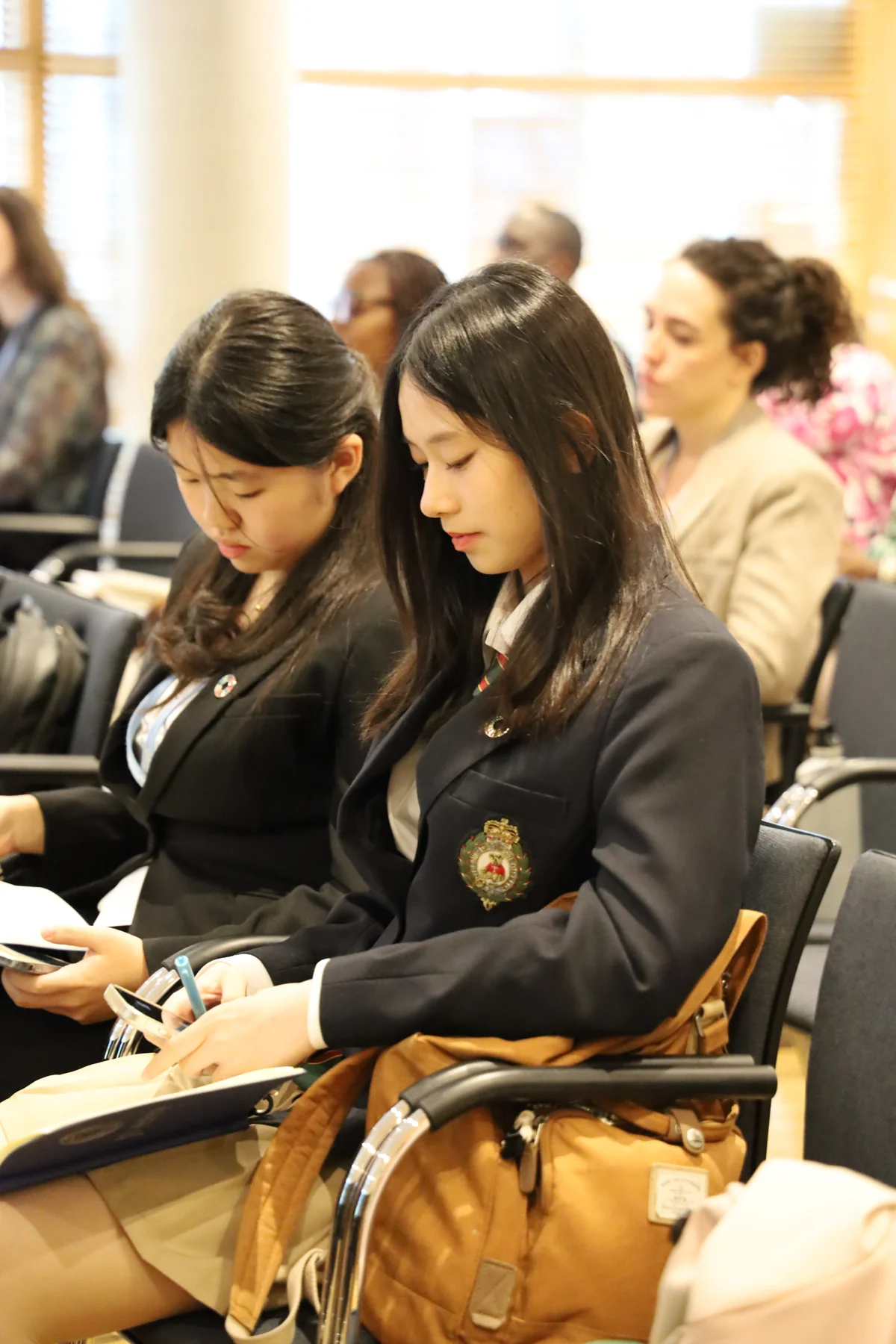
A conversation that continues beyond the speech
I spoke to carry their concerns further: toward public recognition, stronger protection, and lasting change for communities living with environmental injustice.
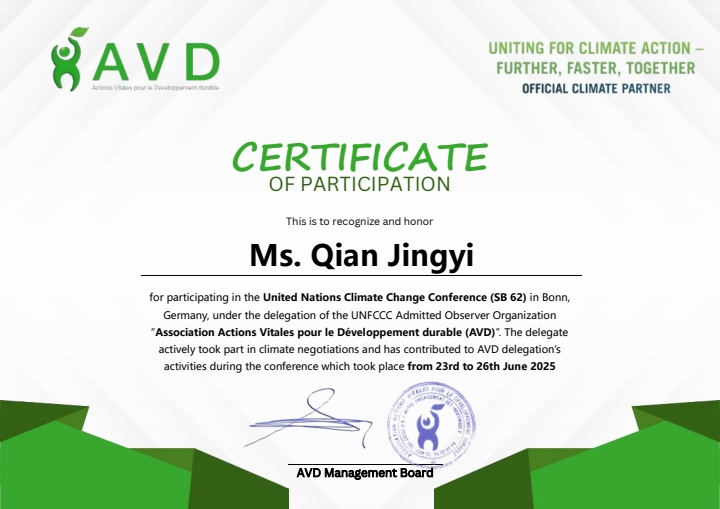
A record of participation
I participated in UNFCCC SB62 in Bonn with the AVD delegation from 23 to 26 June 2025.
The certificate records my participation in the climate negotiations and the delegation’s activities.
Further reading
Families in the Shadow of PneumoconiosisChina Global Dialogue · February 2025Families in the Shadow of Pneumoconiosis: Current Conditions, Challenges, and External Support ↗Rethinking Invisible Air JusticeThe Paper · Environmental justiceStarting with the Pain of Breathing: Rethinking Invisible Air Justice in the Climate Crisis ↗